
Introduction
Pre-existing condition pet insurance is one of the most misunderstood topics among pet owners seeking financial protection for veterinary expenses. Have you ever wondered whether your pet can still qualify for insurance after being diagnosed with a medical condition? While most insurers exclude existing illnesses, some offer limited coverage for curable conditions after waiting periods or provide wellness benefits for unrelated healthcare needs. Understanding policy rules before purchasing coverage helps prevent costly surprises during future claims. This guide explains how pre-existing condition pet insurance works, common exclusions, available alternatives, and practical strategies to protect your pet’s long-term health while minimizing veterinary expenses.
Understanding Pre-Existing Condition Pet Insurance Coverage Rules Clearly
Choosing pre-existing condition pet insurance begins with understanding how insurance companies define existing medical conditions. A pre-existing condition is generally any illness, injury, or symptom documented before the insurance policy becomes effective. Most providers exclude these conditions from reimbursement because they already exist before enrollment. However, some insurers distinguish between curable and incurable conditions, allowing future coverage after recovery. Understanding these policy rules helps pet owners make informed decisions while avoiding unexpected claim denials and financial disappointment during veterinary treatment.
How Insurance Companies Define Pre-Existing Medical Conditions Today
Insurance providers carefully review veterinary records before approving claims involving pre-existing condition pet insurance. Any diagnosed illness, injury, clinical sign, or medical recommendation documented before policy activation may qualify as pre-existing. Even symptoms without a confirmed diagnosis can sometimes affect eligibility. Reviewing your pet’s medical history helps owners understand potential coverage limitations before purchasing insurance. Knowing how insurers evaluate previous health records reduces confusion while improving expectations regarding future reimbursement eligibility for veterinary treatment.
Why Most Insurers Exclude Existing Health Conditions From Coverage
Insurance operates by protecting against future unpredictable risks rather than existing medical expenses. Therefore, most pre-existing condition pet insurance policies exclude illnesses already diagnosed before enrollment. Covering existing conditions would significantly increase insurance costs for every policyholder. While this limitation may disappoint some owners, understanding the financial reasoning behind exclusions helps set realistic expectations. Purchasing insurance early, before illnesses develop, remains the most effective strategy for maximizing long-term veterinary coverage and financial protection.
Curable Versus Incurable Conditions Affect Future Coverage Eligibility Differently
Some insurers separate pre-existing conditions into curable and incurable categories. Curable conditions that remain symptom-free after specified waiting periods may become eligible for future coverage. Incurable illnesses generally remain permanently excluded. Pre-existing condition pet insurance policies differ significantly regarding these definitions, making careful comparison essential before enrollment. Understanding how each provider classifies medical conditions helps owners choose policies offering greater flexibility while improving future reimbursement opportunities after successful veterinary treatment.
Waiting Periods Influence Future Coverage For Certain Medical Conditions
Many insurance providers require waiting periods before previously resolved medical conditions become eligible for coverage. During this period, pets must remain symptom-free and receive no related treatment. Pre-existing condition pet insurance may provide future protection for certain curable illnesses once waiting period requirements are satisfied. Understanding these timelines helps owners plan insurance purchases strategically while avoiding misunderstandings regarding claim eligibility. Reading policy documents carefully ensures realistic expectations throughout the enrollment process.
Reviewing Veterinary Records Before Applying For Pet Insurance Carefully
Veterinary records play a central role in determining eligibility for pre-existing condition pet insurance. Insurance companies review examination notes, laboratory results, diagnoses, prescriptions, and treatment histories before processing claims. Owners should obtain complete veterinary records before applying to understand how insurers may evaluate existing conditions. Reviewing documentation carefully helps identify potential coverage concerns early while supporting accurate insurance applications. Organized medical records also simplify future claims involving newly developed health conditions unrelated to previous illnesses.
Can Previously Treated Conditions Receive Future Insurance Coverage Again
Certain previously treated conditions may qualify for future coverage depending on insurer guidelines. If a condition is considered curable and remains symptom-free throughout the required waiting period, some pre-existing condition pet insurance providers may remove exclusion status. Coverage policies vary significantly among companies, making comparisons extremely important. Owners should confirm specific eligibility requirements before enrollment. Understanding these opportunities helps maximize available insurance benefits while improving long-term financial protection for recovering pets.
Alternative Coverage Options For Pets With Existing Conditions Available
Although comprehensive pre-existing condition pet insurance remains limited, owners still have several valuable alternatives. Accident-only policies, wellness plans, discount veterinary programs, and emergency savings accounts provide financial assistance despite existing medical conditions. Some insurers also cover unrelated future illnesses occurring after enrollment. Exploring these alternatives helps owners reduce veterinary expenses while maintaining meaningful healthcare support. Combining multiple financial strategies creates stronger long-term protection even when comprehensive pre-existing condition coverage remains unavailable.
Accident Only Insurance Still Protects Healthy Future Veterinary Expenses
Accident-only insurance covers injuries resulting from unexpected events such as fractures, poisoning, bite wounds, swallowed objects, or vehicle accidents. Existing illnesses generally do not affect eligibility for accident coverage. Many owners unable to obtain comprehensive pre-existing condition pet insurance choose accident-only policies to protect against future emergencies. This affordable option provides valuable financial assistance while ensuring pets receive immediate treatment following accidental injuries requiring urgent veterinary care.
Wellness Plans Complement Limited Medical Insurance Coverage Successfully Today
Wellness plans help reimburse preventive healthcare services including vaccinations, annual examinations, parasite prevention, bloodwork, and dental cleanings. While they do not cover existing illnesses, wellness benefits complement pre-existing condition pet insurance by supporting preventive healthcare throughout a pet’s life. Routine veterinary care helps identify unrelated medical problems earlier while improving long-term health outcomes. Combining wellness benefits with other insurance options creates broader healthcare protection despite existing medical limitations.
Comparing Insurance Providers Offering Flexible Coverage Policies Carefully Today
Insurance companies differ considerably in how they evaluate pre-existing medical conditions. Some providers offer greater flexibility regarding curable illnesses or waiting period exceptions. Comparing pre-existing condition pet insurance policies carefully helps owners identify insurers providing the most favorable long-term opportunities. Reviewing policy language, customer reviews, and reimbursement guidelines improves decision-making while increasing confidence before purchasing coverage. Thorough comparisons often reveal meaningful differences that significantly affect future veterinary reimbursement.
Understanding Annual Policy Limits Before Purchasing Insurance Coverage Wisely
Annual reimbursement limits determine the maximum insurance payment available during each policy year. Even when certain conditions remain excluded, pre-existing condition pet insurance should provide adequate financial protection for unrelated illnesses and accidents. Higher annual limits offer stronger protection against expensive future veterinary treatments. Reviewing annual coverage amounts carefully ensures owners avoid unexpected out-of-pocket costs after reimbursement maximums are reached. Strong annual benefits improve long-term insurance value and financial security.

Reading Policy Exclusions Prevents Future Claim Denial Problems Completely
Every insurance policy contains exclusions explaining which illnesses, treatments, or procedures qualify for reimbursement. Carefully reviewing exclusions within pre-existing condition pet insurance helps owners avoid misunderstandings during future claims. Transparent providers clearly explain permanent exclusions, waiting periods, reimbursement conditions, and policy limitations before enrollment. Understanding every exclusion allows owners to compare insurance companies accurately while selecting coverage that best matches their pet’s healthcare needs and financial expectations.
Early Insurance Enrollment Provides Maximum Long Term Coverage Protection
The best way to avoid pre-existing condition exclusions is purchasing insurance before medical problems develop. Enrolling healthy pets early maximizes eligibility while reducing future coverage limitations. Pre-existing condition pet insurance becomes less restrictive when policies begin before illnesses are diagnosed. Early enrollment also results in lower premiums and broader protection throughout a pet’s lifetime. Responsible planning provides stronger financial security while ensuring access to comprehensive veterinary care whenever unexpected medical situations arise.
Common Mistakes Owners Make Purchasing Pet Insurance Policies Frequently
Many owners delay purchasing insurance until after illnesses appear, significantly limiting available coverage because of pre-existing condition exclusions. Others fail to compare providers or misunderstand waiting period requirements. Selecting pre-existing condition pet insurance requires careful research rather than focusing only on premium costs. Reading policy documents thoroughly, reviewing exclusions, and comparing multiple insurers helps owners avoid expensive mistakes. Well-informed purchasing decisions create stronger financial protection while supporting better veterinary healthcare throughout every stage of a pet’s life.
Finding Pre-Existing Condition Pet Insurance Options With Better Benefits
Finding the best pre-existing condition pet insurance requires comparing providers that offer flexibility for curable conditions and comprehensive protection for future illnesses. Some insurers provide limited coverage after extended symptom-free waiting periods, while others permanently exclude existing conditions. Reviewing policy language carefully helps owners understand available benefits before enrollment. Comparing reimbursement percentages, deductibles, annual limits, and customer reviews ensures better long-term value. Careful research helps pet owners choose insurance that provides the strongest financial protection despite previous medical diagnoses.
Understanding Claims Process Before Purchasing Insurance Policy Carefully Today
Understanding how claims work prevents confusion when veterinary treatment becomes necessary. Most pre-existing condition pet insurance providers review complete medical histories before approving reimbursement requests. Owners usually pay veterinary expenses first, submit invoices and medical records, and receive reimbursement for eligible treatments. Accurate documentation helps accelerate claim approvals while minimizing unnecessary delays. Learning the claims process before purchasing insurance allows pet owners to prepare proper records and improves overall satisfaction throughout future veterinary reimbursement experiences.
Hereditary Diseases Impact Future Insurance Coverage Decisions Significantly Today
Certain breeds inherit medical conditions that require lifelong monitoring and treatment. While hereditary disorders differ from pre-existing illnesses, they often influence policy selection. The pre-existing condition pet insurance chosen should clearly explain how hereditary diseases are covered after enrollment. Comparing insurers that provide broader hereditary protection improves long-term healthcare planning. Understanding breed-specific health risks helps owners purchase insurance before symptoms develop, reducing future coverage restrictions and supporting better financial preparation throughout their pet’s lifetime.
Customer Reviews Reveal Insurance Company Service Quality Consistently Always
Customer experiences provide valuable insight into reimbursement speed, customer support, transparency, and claim approvals. Reading reviews helps owners evaluate how pre-existing condition pet insurance providers perform during actual veterinary emergencies rather than relying solely on advertisements. Companies with consistently positive reviews generally deliver smoother claims processing and better communication. Comparing customer satisfaction alongside policy features improves purchasing decisions while increasing confidence that future insurance claims will receive fair and professional handling whenever veterinary treatment becomes necessary.
Comparing Annual Coverage Limits Before Choosing Insurance Wisely Today
Annual coverage limits determine the maximum reimbursement insurers provide during each policy year. Although pre-existing condition pet insurance excludes existing illnesses, generous annual limits remain important for protecting against unrelated future accidents and diseases. Comparing annual reimbursement amounts helps owners avoid unexpected out-of-pocket expenses during costly medical emergencies. Higher annual limits generally provide stronger financial security while supporting advanced veterinary treatment. Reviewing policy limits carefully improves long-term healthcare planning and insurance value.
Choosing Higher Reimbursement Rates Improves Financial Protection Greatly Always
Higher reimbursement percentages reduce personal veterinary expenses following approved treatments. Many pre-existing condition pet insurance policies offer reimbursement options ranging from seventy to ninety percent after deductibles. Selecting appropriate reimbursement levels depends on household finances and anticipated veterinary costs. Comparing reimbursement structures carefully helps owners maximize long-term insurance value while maintaining affordable monthly premiums. Better reimbursement options reduce financial stress during future medical emergencies involving newly diagnosed illnesses or accidental injuries.
Emergency Medical Coverage Protects Against Unexpected Veterinary Expenses Immediately
Even when existing illnesses remain excluded, emergency protection continues providing valuable financial support for unrelated accidents and sudden medical emergencies. Pre-existing condition pet insurance often covers eligible future injuries requiring hospitalization, surgery, emergency diagnostics, and intensive treatment. Emergency protection prevents owners from delaying life-saving veterinary care because of financial concerns. Comprehensive accident coverage strengthens long-term healthcare planning while ensuring pets receive immediate medical attention whenever unexpected emergencies threaten their health or wellbeing.
Multi Pet Insurance Discounts Lower Overall Healthcare Costs Significantly Today
Families with multiple pets often qualify for discounted insurance premiums through multi-pet policies. Even when one pet requires pre-existing condition pet insurance, healthy companions may receive comprehensive coverage at reduced monthly costs. Comparing available discounts helps owners maximize financial savings while protecting every pet appropriately. Multi-pet policies simplify insurance management and improve affordability. Long-term healthcare planning benefits significantly when all household pets receive consistent insurance protection through one reliable provider.
Routine Veterinary Visits Support Better Future Insurance Eligibility Continuously
Routine veterinary examinations improve long-term pet health while creating accurate medical records supporting future insurance claims. Even with pre-existing condition pet insurance, preventive healthcare remains essential for monitoring unrelated illnesses before they become severe. Regular wellness visits strengthen veterinarian relationships and encourage early disease detection. Maintaining consistent healthcare records improves future claim documentation while helping owners demonstrate ongoing responsible pet care. Preventive medicine supports healthier lives despite previous medical conditions.
Preventive Healthcare Helps Reduce Future Veterinary Treatment Expenses Considerably
Preventive healthcare remains one of the most effective methods for minimizing future veterinary costs. Annual examinations, vaccinations, dental cleanings, parasite prevention, and laboratory testing help identify developing illnesses before advanced treatment becomes necessary. Pre-existing condition pet insurance works best when combined with consistent preventive care. Early diagnosis improves treatment success while reducing expensive emergency interventions. Responsible preventive healthcare protects pets from avoidable complications while improving long-term financial stability for their families.
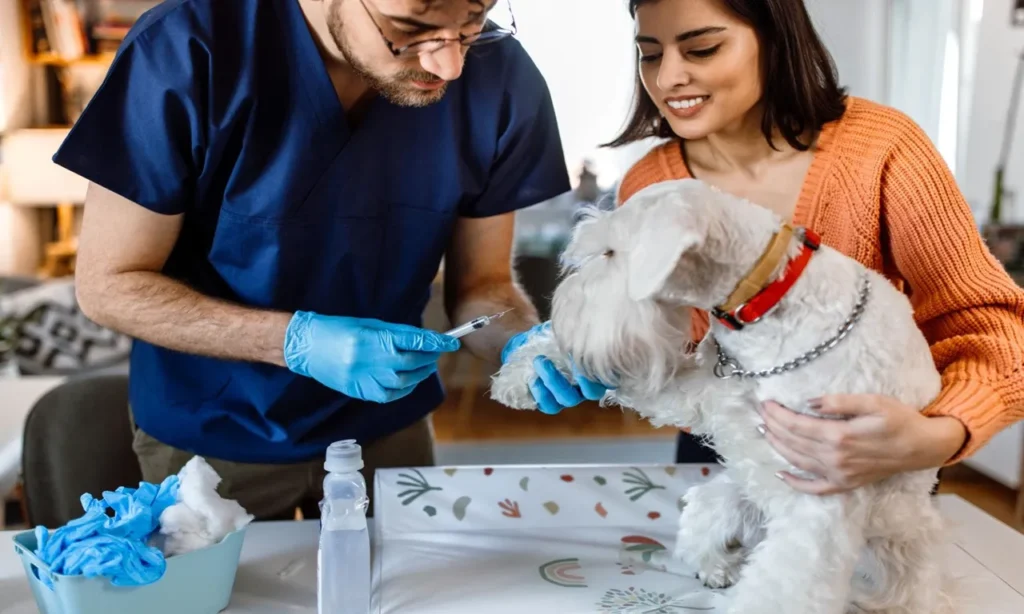
Reading Policy Exclusions Prevents Future Coverage Disputes Completely Always
Understanding policy exclusions before purchasing insurance prevents frustration during future claims. Every pre-existing condition pet insurance policy contains detailed explanations regarding permanently excluded illnesses, waiting periods, reimbursement conditions, and eligible treatments. Carefully reviewing every exclusion allows owners to compare providers accurately while avoiding unexpected surprises after enrollment. Transparent policy language creates realistic expectations and improves customer satisfaction. Knowledge of exclusions supports better insurance decisions while strengthening long-term financial planning for veterinary care.
Choosing Trusted Veterinarians Simplifies Insurance Claims And Documentation Successfully
Experienced veterinarians provide accurate diagnoses, treatment summaries, invoices, and medical histories required for insurance reimbursement. Maintaining strong relationships with trusted veterinary professionals improves claim accuracy under pre-existing condition pet insurance policies. Complete medical documentation accelerates claim processing while reducing administrative delays. Consistent veterinary care also supports better healthcare planning by monitoring ongoing medical conditions and identifying unrelated illnesses early. Strong cooperation between owners, veterinarians, and insurers benefits every aspect of long-term pet healthcare.
Understanding Waiting Period Exceptions Before Filing Insurance Claims Carefully
Certain insurance providers allow exceptions after pets remain symptom-free for specified periods following recovery from curable illnesses. Understanding these rules within pre-existing condition pet insurance policies helps owners maximize available future coverage. Reviewing waiting period requirements before enrollment prevents confusion when submitting claims later. Proper planning allows owners to purchase insurance strategically while improving eligibility for future reimbursement involving previously resolved medical conditions. Policy comparisons remain essential because waiting period rules differ significantly between insurers.
Annual Policy Reviews Improve Long Term Insurance Value Continuously Always
Insurance policies should be reviewed annually because premiums, coverage options, reimbursement structures, and provider offerings frequently change. Reviewing pre-existing condition pet insurance each year helps owners identify improved coverage opportunities for future illnesses and accidents. Comparing competing insurers ensures policies continue meeting changing healthcare needs as pets age. Regular evaluations maximize financial value while preventing unnecessary coverage gaps. Annual reviews support stronger long-term healthcare planning and continued veterinary financial protection throughout every life stage.
Making Smart Insurance Decisions Despite Existing Medical Conditions Successfully
Choosing the right pre-existing condition pet insurance requires realistic expectations, careful provider comparisons, and thorough understanding of policy exclusions. Responsible owners should focus on protecting against future illnesses and accidents while combining insurance with preventive healthcare and emergency savings. Strategic planning creates stronger financial security despite existing medical diagnoses. Investing time in research today prevents costly mistakes tomorrow. Smart insurance decisions allow owners to provide excellent veterinary care while maintaining confidence during unexpected healthcare challenges.
Comparing Top Insurance Providers For Better Future Coverage Options
Choosing the right insurer requires comparing policy flexibility, reimbursement percentages, annual limits, customer satisfaction, and claim approval history. The pre-existing condition pet insurance offered by reputable companies may provide broader protection for future illnesses while clearly explaining exclusions for existing conditions. Reading independent customer reviews and policy documents helps owners identify reliable providers. Comparing multiple companies carefully improves long-term financial value while ensuring pets receive dependable insurance support for new medical conditions and unexpected veterinary emergencies.
How Pet Age Influences Insurance Premium Costs Significantly Today
A pet’s age plays an important role in determining insurance premiums and available coverage options. Younger pets generally qualify for lower premiums because they present fewer medical risks. Purchasing pre-existing condition pet insurance early increases eligibility for future illnesses before health problems develop. Older pets may face higher premiums because of increased healthcare needs and greater risk of chronic disease. Understanding how age affects insurance pricing helps owners make informed financial decisions while maximizing long-term veterinary protection.
Understanding Lifetime Coverage Benefits For Long Term Protection Today
Lifetime insurance provides ongoing protection against eligible future illnesses and accidents throughout a pet’s life. Although existing conditions remain excluded, pre-existing condition pet insurance with lifetime coverage protects against unrelated medical problems diagnosed after enrollment. Continuous coverage reduces financial uncertainty while helping owners manage expensive treatments as pets age. Investing in long-term insurance creates stronger healthcare security and allows owners to focus on their pet’s recovery instead of worrying about increasing veterinary expenses.
Fast Claims Processing Improves Overall Customer Insurance Experience Greatly
Quick reimbursement helps owners recover veterinary expenses faster after approved treatments. The pre-existing condition pet insurance provided by leading companies usually includes online claim submission, claim tracking, and responsive customer support. Efficient reimbursement reduces financial stress while encouraging owners to pursue timely veterinary care. Companies known for fast claim approvals often receive higher customer satisfaction ratings. Reliable claim processing strengthens confidence and ensures healthcare decisions remain focused on the pet’s wellbeing rather than reimbursement delays.
Hidden Policy Exclusions Every Pet Owner Should Understand Carefully
Every insurance policy contains exclusions that determine which treatments or medical conditions qualify for reimbursement. Reading pre-existing condition pet insurance documents carefully helps owners understand permanent exclusions, waiting periods, reimbursement limitations, and policy restrictions before enrollment. Transparent insurers clearly explain these details, reducing misunderstandings during future claims. Comparing exclusions across multiple providers helps identify policies offering greater flexibility. Fully understanding policy limitations allows owners to make confident insurance decisions that support long-term financial planning.
Affordable Premiums Without Sacrificing Valuable Insurance Benefits Today
Affordable insurance should provide meaningful protection instead of limiting coverage through excessive exclusions. The pre-existing condition pet insurance delivering the greatest value balances monthly premiums with strong accident, illness, hospitalization, surgery, and diagnostic coverage for future medical conditions. Comparing reimbursement rates, deductibles, and annual limits helps owners identify financially practical policies. Choosing insurance based solely on low monthly costs often creates future coverage gaps. Careful comparisons ensure affordable premiums without compromising valuable veterinary protection.
Preparing Financially Before Unexpected Veterinary Emergencies Ever Happen Again
Unexpected veterinary emergencies often result in expensive surgeries, hospitalizations, and diagnostic procedures. Even when existing illnesses remain excluded, pre-existing condition pet insurance provides valuable protection against unrelated future emergencies. Combining insurance with personal emergency savings strengthens financial preparedness during stressful situations. Planning ahead allows owners to approve recommended treatments immediately without delaying medical care because of financial concerns. Strong preparation benefits both pets and families by reducing stress during unexpected healthcare crises.
Annual Insurance Reviews Improve Long Term Policy Performance Consistently
Insurance policies should be reviewed every year because healthcare needs, premiums, reimbursement structures, and provider offerings continue changing. Reviewing pre-existing condition pet insurance annually helps owners identify better coverage opportunities for future illnesses and accidents. Comparing competing insurers ensures policies continue meeting long-term financial goals. Regular evaluations maximize insurance value while preventing unnecessary coverage gaps. Annual reviews support stronger healthcare planning and maintain reliable veterinary financial protection throughout every stage of a pet’s life.
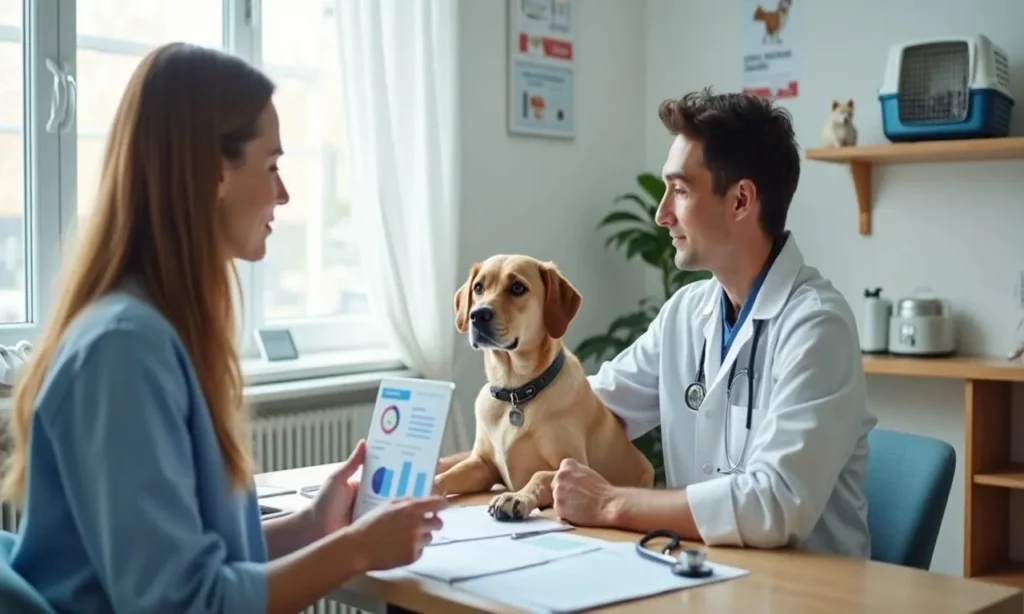
Avoiding Common Insurance Mistakes Responsible Owners Frequently Make Today
Many owners delay purchasing insurance until after illnesses develop, resulting in permanent exclusions for existing medical conditions. Others overlook reimbursement structures or policy exclusions when selecting pre-existing condition pet insurance. Reading policy documents carefully and comparing multiple insurers prevents expensive mistakes later. Responsible insurance planning focuses on future protection instead of immediate costs alone. Avoiding these common errors improves long-term financial security while ensuring pets receive quality veterinary care whenever unexpected illnesses or injuries occur.
Working Closely With Veterinarians During Insurance Claims Successfully Always
Veterinarians provide essential documentation including diagnoses, examination notes, treatment summaries, invoices, and laboratory results required for insurance claims. The pre-existing condition pet insurance claims process becomes smoother when veterinary records remain complete and organized. Strong communication between veterinarians and insurance providers reduces reimbursement delays while improving claim accuracy. Maintaining consistent veterinary care also strengthens healthcare planning and supports earlier diagnosis of unrelated illnesses. Professional cooperation ultimately benefits both pets and their owners throughout long-term medical treatment.
Future Trends Transforming Pet Insurance Industry Across Global Markets
Technology continues reshaping pet insurance through artificial intelligence, digital claims processing, telemedicine, personalized pricing, and advanced health monitoring. The pre-existing condition pet insurance industry is gradually introducing more flexible policy options for previously treated conditions while improving customer experiences. Future innovations may expand eligibility for curable illnesses after extended recovery periods. Staying informed about these developments helps owners select forward-thinking insurers offering stronger long-term healthcare protection and better financial support for evolving veterinary needs.
Building Long Term Healthcare Plans Beyond Insurance Coverage Successfully
Long-term healthcare planning combines insurance, preventive medicine, balanced nutrition, regular exercise, routine veterinary examinations, and emergency financial preparation. While pre-existing condition pet insurance protects against future eligible medical problems, preventive healthcare minimizes additional risks. Responsible long-term planning helps pets remain healthier while reducing overall veterinary expenses. Combining multiple financial and medical strategies creates stronger protection than relying on insurance alone. Comprehensive planning supports lifelong wellbeing and greater peace of mind for every pet owner.
Making Confident Insurance Decisions Despite Previous Medical Diagnoses Today
Previous medical diagnoses should not prevent owners from protecting their pets against future healthcare expenses. Selecting pre-existing condition pet insurance requires understanding exclusions, comparing providers, evaluating reimbursement structures, and planning realistically for future medical needs. Well-informed decisions strengthen financial stability while improving access to quality veterinary care. Owners who research policies carefully avoid unnecessary surprises and maximize available benefits. Smart insurance choices provide valuable protection against future illnesses while supporting responsible lifelong pet healthcare planning.
Expert Recommendations For Better Insurance Planning And Protection Today
Veterinary professionals recommend purchasing insurance before illnesses develop whenever possible. However, owners seeking pre-existing condition pet insurance should compare providers carefully, review waiting period rules, understand policy exclusions, and maintain consistent preventive healthcare. Expert guidance helps families avoid common insurance mistakes while maximizing future coverage opportunities. Combining professional advice with careful policy comparison improves long-term healthcare outcomes and strengthens financial preparedness for unexpected veterinary emergencies throughout a pet’s lifetime.
Final Thoughts About Pre-Existing Condition Pet Insurance Coverage Today
Choosing pre-existing condition pet insurance requires realistic expectations and careful comparison of policy benefits, exclusions, reimbursement rates, and future healthcare protection. Although existing illnesses are often excluded, quality insurance still provides valuable financial assistance for unrelated accidents and newly diagnosed medical conditions. Purchasing coverage early, maintaining preventive veterinary care, and reviewing policies regularly improve long-term healthcare security. Responsible planning allows owners to protect their pets while reducing financial uncertainty during future emergencies. Investing in the right insurance today creates greater peace of mind and supports healthier, happier lives for beloved companions.
FAQs
What is pre-existing condition pet insurance?
Pre-existing condition pet insurance provides coverage for eligible future illnesses and accidents but usually excludes medical conditions diagnosed before enrollment.
Do pet insurance companies cover pre-existing conditions?
Most insurers permanently exclude pre-existing conditions, although some cover curable conditions after waiting periods.
Can I insure my pet after a medical diagnosis?
Yes. Your pet can still be insured, but existing conditions may not be covered.
What is considered a pre-existing condition?
Any illness, injury, or symptom documented before the policy begins is generally considered pre-existing.
Can curable conditions become covered later?
Some insurers may cover previously cured conditions after a symptom-free waiting period.
Should I buy pet insurance before my pet gets sick?
Yes. Early enrollment provides the broadest coverage and minimizes exclusions.
Is pre-existing condition pet insurance worth buying?
Yes. It still protects against future eligible accidents and newly diagnosed illnesses.
Conclusion
Choosing pre-existing condition pet insurance is still a valuable investment, even if your pet has an existing medical condition. While most insurers exclude illnesses diagnosed before enrollment, many policies continue providing comprehensive protection for future accidents and newly developed health problems. Comparing providers, understanding exclusions, reviewing waiting periods, and selecting appropriate reimbursement options help maximize long-term value. Purchasing insurance as early as possible remains the best strategy for broad coverage, but pets with previous diagnoses can still benefit from financial protection against unrelated medical expenses. With careful planning and the right policy, pet owners can reduce future veterinary costs while ensuring their beloved companions continue receiving quality healthcare throughout every stage of life.