
Introduction
Weather-related farm insurance is one of the most important protections for modern farmers facing unpredictable climate conditions. Have you ever wondered how a single hailstorm, flood, drought, or hurricane can wipe out months of hard work within hours? Extreme weather events continue to increase across agricultural regions, making financial protection more essential than ever. The right insurance policy helps farmers recover from crop losses, damaged equipment, livestock injuries, and property destruction. Understanding available coverage allows farm owners to reduce financial risks while maintaining business continuity. This guide explains how weather-related farm insurance works, what it covers, and how to choose the best protection for your agricultural operation.
Understanding Weather Related Farm Insurance Coverage Options
Weather-related farm insurance protects agricultural businesses from financial losses caused by natural weather disasters. Coverage may include crops, livestock, machinery, barns, irrigation systems, and farm buildings affected by hail, floods, droughts, hurricanes, tornadoes, or severe storms. Every farm has unique risks depending on its location and operations. Understanding available coverage helps farmers choose suitable policies that reduce financial uncertainty. Comprehensive insurance allows agricultural businesses to recover faster after unexpected weather events while protecting long-term productivity and income stability.
Why Climate Change Increases Farm Insurance Risks Significantly
Changing weather patterns continue creating greater uncertainty for farmers worldwide. More frequent floods, droughts, heatwaves, hurricanes, and severe storms have increased agricultural losses substantially. Weather-related farm insurance has become increasingly valuable because traditional farming risks now occur more often and with greater intensity. Insurance providers continuously update policies to reflect changing environmental conditions. Farmers who understand climate-related risks can select stronger coverage that addresses evolving threats. Proper planning and insurance protection help agricultural operations remain financially secure despite increasingly unpredictable weather conditions.
Common Weather Events Covered Under Farm Insurance Policies
Most weather-related farm insurance policies provide protection against hailstorms, windstorms, tornadoes, lightning, excessive rainfall, hurricanes, snow damage, freezing temperatures, and certain drought-related losses. Coverage depends on the policy type and selected endorsements. Farmers should carefully review exclusions before purchasing protection because not every weather event receives identical coverage. Understanding which natural disasters are included allows farm owners to avoid costly surprises after filing claims. Choosing comprehensive protection provides greater financial security when severe weather unexpectedly damages agricultural operations or valuable farm assets.
How Severe Storms Damage Agricultural Farm Operations Quickly
Severe storms often create extensive agricultural damage within a few hours. Heavy rain can flood crop fields, strong winds destroy barns, hail damages crops, and lightning may ignite fires or damage equipment. Weather-related farm insurance helps farmers recover financially from these sudden losses by covering eligible repairs and replacements. Storm recovery can be extremely expensive without proper insurance coverage. Investing in comprehensive protection allows farm owners to restore operations more efficiently while reducing financial pressure during difficult recovery periods following major weather disasters.
Protecting Crops Against Unexpected Weather Related Financial Losses
Crop production depends heavily on favorable weather conditions throughout the growing season. Unexpected drought, frost, hail, floods, or excessive rainfall can significantly reduce harvest yields and farm income. Weather-related farm insurance helps compensate farmers for qualifying crop losses while protecting annual revenue. Insurance provides valuable financial stability during seasons affected by uncontrollable weather conditions. Farmers who insure their crops are better prepared to recover from unexpected production losses while maintaining future planting schedules and long-term agricultural business success.
Livestock Protection During Dangerous Weather Emergency Conditions
Extreme weather threatens livestock through heat stress, freezing temperatures, flooding, hurricanes, and severe storms. Animals may suffer injuries, illness, or death when weather conditions become dangerous. Weather-related farm insurance may provide financial protection for livestock losses depending on policy terms and coverage selections. Farmers should also implement emergency preparedness plans alongside insurance protection. Combining preventive safety measures with comprehensive insurance reduces financial exposure while improving the overall resilience of livestock operations during challenging environmental conditions throughout the year.
Farm Buildings Vulnerable To Extreme Weather Damage Risks
Barns, storage facilities, greenhouses, silos, and equipment sheds often suffer significant damage during hurricanes, tornadoes, hailstorms, or heavy snowfall. Structural repairs can be extremely expensive without proper insurance coverage. Weather-related farm insurance helps cover repair or replacement costs for insured buildings damaged by covered weather events. Regular maintenance and structural inspections further reduce risks while supporting insurance claims. Protecting farm buildings ensures agricultural operations can resume quickly after disasters while minimizing prolonged interruptions to daily farming activities.
Heavy Rain Flooding And Agricultural Property Protection Strategies
Excessive rainfall frequently causes flooding that damages crops, roads, irrigation systems, fencing, machinery, and buildings. Standard insurance policies may not automatically cover every flooding event, making policy review essential. Weather-related farm insurance combined with specialized flood protection offers stronger financial security for farms located in flood-prone regions. Farmers should understand drainage improvements, emergency planning, and available insurance endorsements. Proper preparation helps reduce financial losses while supporting faster recovery following severe rainfall and flood-related agricultural disasters.
Drought Impact On Modern Agricultural Insurance Planning Today
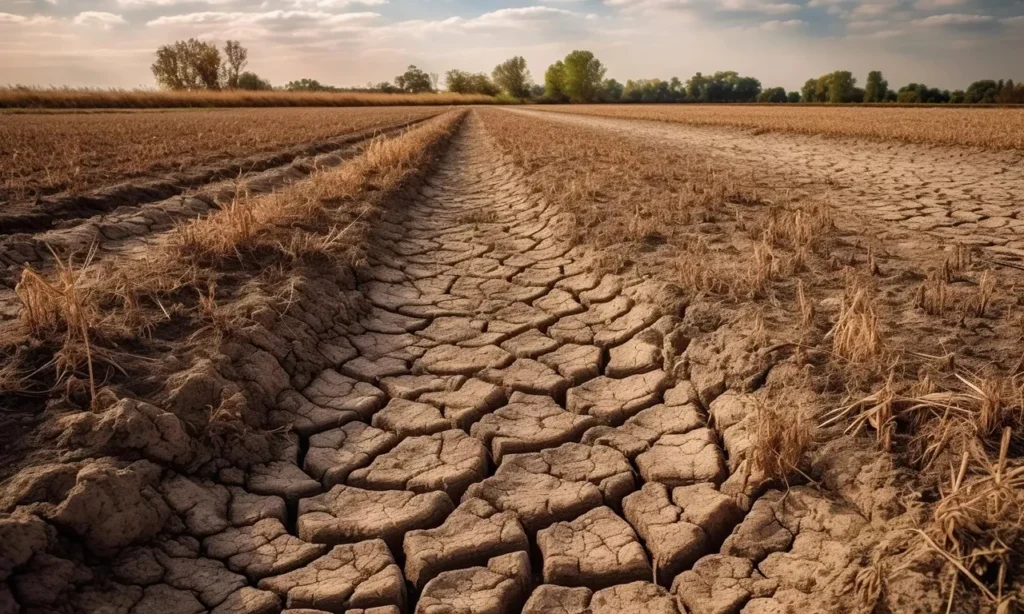
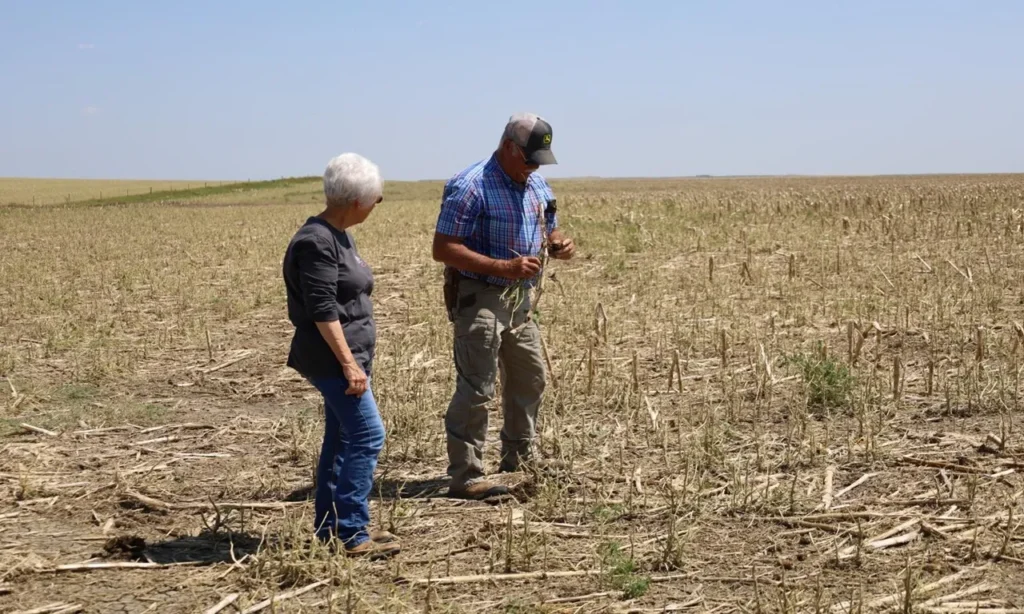
Extended drought periods reduce crop yields, increase irrigation expenses, and threaten livestock health. Water shortages create financial challenges that affect nearly every aspect of farm operations. Weather-related farm insurance helps reduce economic uncertainty by providing protection against qualifying drought-related losses depending on policy structure. Farmers should combine insurance with efficient water management, drought-resistant crops, and conservation practices. Strategic planning improves operational resilience while reducing long-term financial risks associated with increasingly common drought conditions affecting agricultural businesses.
Hail Damage Claims Every Farmer Should Understand Thoroughly
Hailstorms can destroy crops within minutes while damaging greenhouses, farm vehicles, roofs, irrigation equipment, and storage facilities. Filing accurate claims requires prompt documentation and careful assessment of all damages. Weather-related farm insurance typically covers qualifying hail losses according to policy conditions. Farmers should photograph damage immediately and maintain detailed production records to support claim evaluations. Understanding claim procedures before disasters occur helps speed recovery while increasing the likelihood of receiving fair insurance compensation after significant hail events.
Hurricane Preparedness Combined With Farm Insurance Protection Plans
Farmers operating in hurricane-prone regions face substantial risks involving high winds, flooding, structural damage, livestock losses, and prolonged business interruptions. Preparing emergency response plans before hurricane season significantly reduces potential damage. Weather-related farm insurance complements these preparedness efforts by covering eligible financial losses following major storms. Securing equipment, protecting animals, reinforcing buildings, and reviewing insurance coverage annually improve disaster readiness. Effective preparation combined with comprehensive insurance strengthens agricultural resilience against increasingly severe tropical weather events.
Tornado Risks Facing Agricultural Businesses Across Rural Communities
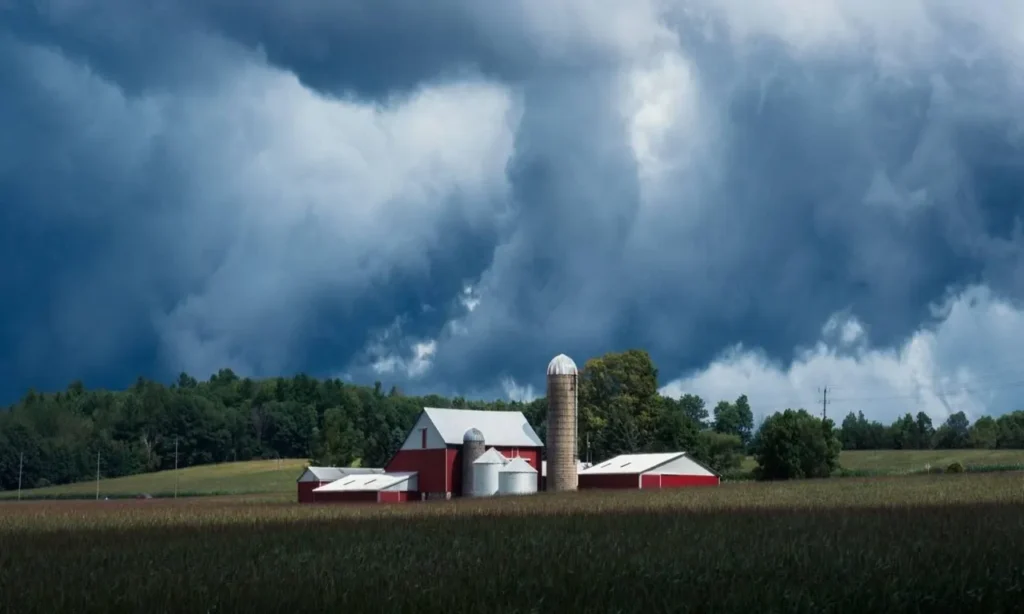
Tornadoes can completely destroy farm buildings, machinery, fencing, crops, and livestock within moments. Recovery costs often exceed available emergency savings without proper insurance protection. Weather-related farm insurance helps farmers rebuild damaged property and replace covered equipment following tornado-related losses. Emergency planning, weather monitoring, and safe shelter procedures remain equally important. Combining disaster preparedness with strong insurance protection allows agricultural businesses to recover more efficiently while reducing long-term financial hardships after devastating tornado events.
Freezing Temperatures Affect Farm Production And Property Assets
Unexpected freezing temperatures may damage crops, irrigation systems, orchards, vineyards, livestock water supplies, and agricultural infrastructure. Cold weather events create expensive repair costs and reduced production. Weather-related farm insurance may provide financial assistance for qualifying freeze-related losses depending on policy terms. Farmers should also implement frost protection systems, equipment maintenance, and emergency response strategies. Combining preventive measures with comprehensive insurance improves operational stability while minimizing financial losses caused by sudden temperature extremes during critical growing seasons.
Comparing Multiple Farm Insurance Policies Before Purchasing Coverage
Selecting the right insurance policy requires careful comparison of coverage limits, exclusions, deductibles, premiums, and claim procedures. Every farming operation has unique risks based on crops, livestock, equipment, and geographic location. Weather-related farm insurance should provide adequate protection without leaving costly coverage gaps. Farmers should request multiple quotes and review policy details carefully before purchasing coverage. Comparing insurers helps identify stronger financial protection, better customer service, and more comprehensive benefits while ensuring long-term security for agricultural operations.
Understanding Farm Insurance Premium Calculation Factors Completely
Insurance premiums vary according to farm size, crop type, livestock value, historical weather risks, claim history, and property location. Insurance companies evaluate these factors when determining annual premiums. Weather-related farm insurance pricing also depends on selected coverage options and deductible amounts. Farmers should understand how risk management practices may reduce insurance costs over time. Investing in preventive measures often improves insurability while lowering premiums. Understanding premium calculations helps farm owners make informed financial decisions without sacrificing necessary protection.
How Insurance Deductibles Affect Farm Claim Payments Significantly
A deductible represents the amount farmers pay before insurance coverage begins contributing toward eligible losses. Higher deductibles generally reduce annual premiums but increase out-of-pocket costs during claims. Weather-related farm insurance policies offer different deductible structures depending on the insurer and coverage type. Farmers should balance affordability with financial preparedness when selecting deductibles. Choosing appropriate deductible levels ensures sufficient protection during emergencies while maintaining manageable insurance costs throughout the farming season.
Steps Farmers Should Follow Immediately After Weather Disasters
Quick action following severe weather significantly improves claim outcomes and speeds recovery. Farmers should first ensure personal safety, protect livestock, prevent additional damage, photograph affected property, and notify their insurer promptly. Weather-related farm insurance claims require accurate documentation of losses before repairs begin whenever possible. Keeping organized records supports smoother claim processing. Early communication with insurance representatives helps clarify coverage, inspection requirements, and next steps while reducing delays during financial recovery after weather-related disasters.
Essential Documents Required For Successful Insurance Claim Approval
Well-prepared documentation strengthens insurance claims and reduces disputes during evaluations. Farmers should maintain photographs, purchase receipts, equipment inventories, veterinary reports, crop production records, weather reports, and repair estimates. Weather-related farm insurance providers rely on detailed evidence to verify losses and determine compensation amounts. Organized documentation demonstrates professionalism while improving claim credibility. Maintaining updated records throughout the year helps farmers respond quickly after disasters and supports more efficient claim settlements.
Avoiding Common Farm Insurance Claim Filing Mistakes Today
Many claims experience delays because farmers wait too long to report damage, discard evidence, begin repairs prematurely, or submit incomplete documentation. Weather-related farm insurance works most effectively when policyholders understand claim requirements before disasters occur. Reading policy conditions carefully and following insurer instructions reduces unnecessary complications. Keeping communication records and maintaining organized documentation further improves outcomes. Avoiding common filing mistakes helps farmers receive fair compensation while minimizing delays throughout the insurance claims process.
How Technology Improves Modern Farm Insurance Risk Management
Advanced technology continues transforming agricultural risk management through drones, satellite imagery, weather forecasting, smart sensors, and digital farm management systems. These innovations help identify weather threats earlier and document losses more accurately. Weather-related farm insurance providers increasingly use technology during underwriting and claim assessments. Farmers who adopt modern monitoring systems often improve operational efficiency while reducing preventable losses. Combining technology with comprehensive insurance creates stronger protection against evolving weather-related agricultural risks.
Government Agricultural Programs Supporting Farm Insurance Protection Nationwide
Government agricultural programs often complement private insurance by providing disaster assistance, conservation incentives, and financial support during extraordinary weather events. These programs help farmers recover when catastrophic losses exceed standard insurance coverage. Weather-related farm insurance remains essential because government assistance may not fully compensate every loss. Understanding available agricultural support programs helps farmers build stronger financial protection strategies. Combining public assistance with private insurance creates more comprehensive risk management for farming operations.
Benefits Of Customized Weather Insurance For Specialty Farms
Specialty farms producing fruits, vegetables, vineyards, nurseries, or organic products often face unique weather-related risks requiring customized insurance solutions. Standard policies may not adequately address specialized production challenges. Weather-related farm insurance can often be tailored through endorsements and optional coverages that better reflect individual operations. Customized protection ensures valuable crops and specialized equipment receive appropriate coverage. Farmers should discuss operational needs with experienced insurance professionals before selecting policies.
Financial Stability Through Comprehensive Farm Insurance Planning Strategies
Effective insurance planning supports long-term financial stability by reducing uncertainty associated with severe weather events. Rather than relying solely on emergency savings, farmers benefit from structured protection that addresses property, crops, livestock, and business interruptions. Weather-related farm insurance serves as a valuable financial safety net during unpredictable growing seasons. Strategic planning allows agricultural businesses to recover faster, maintain operations, and continue serving markets despite unexpected environmental challenges affecting production and profitability.
Managing Business Interruptions Following Severe Weather Events Successfully
Weather disasters often interrupt farm operations for weeks or even months. Production delays, damaged infrastructure, and equipment failures reduce income while expenses continue accumulating. Weather-related farm insurance may include business interruption coverage depending on policy selections. This protection helps replace lost income during recovery periods. Farmers should review interruption coverage carefully to understand waiting periods, limitations, and qualifying events. Proper planning minimizes financial stress while supporting operational continuity after significant weather-related disruptions.
Protecting Expensive Farm Equipment Against Weather Damage Properly
Modern agricultural equipment represents a substantial financial investment requiring adequate insurance protection. Tractors, combines, irrigation systems, harvesters, and specialized machinery remain vulnerable to storms, flooding, lightning, and hail damage. Weather-related farm insurance helps repair or replace insured equipment following covered weather events. Farmers should maintain updated equipment inventories, photographs, and purchase documentation throughout the year. Proper coverage reduces downtime while ensuring essential machinery can return to operation quickly after disasters.
Working With Experienced Agricultural Insurance Professionals Effectively
Experienced agricultural insurance professionals understand the unique challenges facing modern farmers and ranchers. They evaluate operational risks, recommend suitable coverage, explain exclusions, and assist during claims. Weather-related farm insurance decisions become easier when farmers receive expert guidance tailored to their specific operations. Building long-term relationships with knowledgeable insurance advisors improves annual policy reviews while ensuring coverage remains aligned with changing agricultural needs, equipment values, and environmental risks.
Reviewing Farm Insurance Policies Before Every Growing Season Carefully
Annual policy reviews help ensure insurance coverage reflects current farming operations, property values, equipment purchases, and changing weather risks. Expanding acreage, purchasing machinery, or adding livestock may require updated protection. Weather-related farm insurance should evolve alongside the business to maintain comprehensive financial security. Reviewing policies before each growing season allows farmers to adjust coverage, identify exclusions, and address emerging environmental threats before unexpected weather events occur.
Long Term Risk Management Beyond Basic Insurance Coverage Solutions
Insurance alone cannot eliminate every farming risk. Successful agricultural businesses combine insurance with emergency planning, crop diversification, infrastructure improvements, employee training, and modern technology. Weather-related farm insurance becomes more effective when integrated into broader risk management strategies. Farmers who actively reduce operational risks often experience fewer losses while strengthening overall business resilience. Long-term planning ensures greater financial stability despite increasingly unpredictable weather conditions affecting agricultural production.
Preparing Farms For Future Climate Related Weather Challenges Ahead
Climate trends suggest agricultural businesses will continue facing evolving environmental challenges during future growing seasons. Rising temperatures, changing rainfall patterns, stronger storms, and prolonged droughts require proactive planning. Weather-related farm insurance remains a cornerstone of financial protection while supporting recovery after severe weather events. Farmers who regularly evaluate risks, update insurance coverage, adopt resilient farming practices, and invest in preventive strategies position their operations for greater long-term success despite changing climate conditions.
Reducing Farm Insurance Costs Through Smart Risk Management
Farmers can reduce insurance costs by implementing strong risk management practices, maintaining equipment regularly, improving drainage systems, strengthening farm buildings, and following recommended safety procedures. Insurance providers often reward lower-risk operations with more competitive premiums. Weather-related farm insurance becomes more affordable when proactive measures reduce potential losses. Regular inspections and preventive maintenance also decrease the likelihood of costly claims. Combining sound operational practices with comprehensive insurance coverage creates long-term financial stability while protecting valuable agricultural assets from increasingly unpredictable weather conditions.
Understanding Farm Insurance Policy Exclusions Before Purchasing Coverage
Every insurance policy contains exclusions that define situations not covered under the agreement. Farmers should carefully review these limitations before purchasing weather-related farm insurance to avoid unexpected claim denials. Certain floods, gradual damage, equipment wear, or preventable losses may require additional endorsements. Understanding policy exclusions allows farm owners to purchase supplemental protection where necessary. Discussing exclusions with an experienced insurance advisor helps eliminate coverage gaps while ensuring farms receive comprehensive protection against the most significant weather-related financial risks.
Importance Of Annual Farm Insurance Coverage Review Meetings
Agricultural operations change regularly through equipment purchases, expanded acreage, additional livestock, or new farming methods. Annual reviews ensure weather-related farm insurance remains accurate and sufficient for current operations. Insurance professionals evaluate policy limits, deductibles, endorsements, and emerging weather risks during these meetings. Updating coverage annually prevents underinsurance while ensuring valuable assets remain fully protected. Regular policy reviews also provide opportunities to compare premiums, improve coverage options, and adjust protection according to changing agricultural business needs.
Choosing Reliable Farm Insurance Companies With Strong Reputations
Selecting a financially stable insurance provider is just as important as choosing appropriate coverage. Farmers should compare company ratings, customer service, claims handling, financial strength, and agricultural experience before purchasing weather-related farm insurance. Reliable insurers process claims efficiently and provide knowledgeable support during emergencies. Reading independent reviews and consulting experienced agricultural advisors helps identify trustworthy providers. Strong insurance companies offer long-term security, responsive customer service, and dependable financial protection when severe weather damages farming operations.
Preparing Emergency Response Plans Before Severe Weather Arrives
Emergency planning significantly reduces injuries, property damage, and financial losses during severe weather events. Farmers should establish evacuation procedures, protect livestock, secure equipment, back up important documents, and maintain emergency supplies. Weather-related farm insurance supports recovery, but preparation reduces the overall impact of disasters. Every farm should review emergency plans before each storm season and train employees accordingly. Effective planning improves operational resilience while helping farms recover faster after hurricanes, floods, tornadoes, or other dangerous weather emergencies.
Benefits Of Comprehensive Weather Protection For Family Farms
Family farms often depend on a single growing season for annual income, making comprehensive insurance especially valuable. Weather-related farm insurance helps protect crops, livestock, machinery, buildings, and farm income against unexpected natural disasters. Financial protection allows families to recover without risking the future of their agricultural business. Comprehensive coverage also provides peace of mind during unpredictable weather seasons. Investing in appropriate insurance demonstrates responsible financial planning while supporting long-term sustainability for future generations of farming families.
Working Together With Insurance Adjusters During Claims Successfully
Insurance adjusters evaluate damage, inspect property, and determine eligible compensation after covered weather events. Farmers should cooperate fully while maintaining accurate records and providing requested documentation. Weather-related farm insurance claims progress more efficiently when communication remains professional and organized. Keeping photographs, repair estimates, production records, and maintenance documentation available supports fair claim evaluations. Positive cooperation with adjusters helps reduce delays while improving opportunities for receiving appropriate compensation for covered agricultural losses.
Future Innovations Transforming Agricultural Insurance Protection Systems
Agricultural insurance continues evolving through artificial intelligence, satellite monitoring, predictive analytics, drone inspections, and climate modeling technologies. These innovations improve underwriting accuracy, risk assessment, and claim processing efficiency. Weather-related farm insurance will increasingly rely on advanced technology to provide faster service and more customized coverage solutions. Farmers who embrace technological advancements gain better risk management capabilities while improving operational decision-making. Future innovations promise stronger financial protection, enhanced efficiency, and more responsive insurance services for modern agricultural businesses.
Protecting Farm Profitability Despite Increasing Climate Uncertainty Today
Climate uncertainty continues creating financial challenges for agricultural businesses worldwide. Strong planning, diversified operations, modern technology, and weather-related farm insurance help farmers maintain profitability despite unpredictable weather patterns. Insurance reduces financial uncertainty by providing valuable resources for rebuilding after covered disasters. Long-term resilience depends on combining preventive strategies with comprehensive protection. Farmers who prepare for future climate challenges position their businesses for sustainable growth while protecting investments, production capacity, and long-term financial success.
Taking Confident Steps Toward Complete Farm Risk Protection Today
Successful farming requires balancing productivity with effective risk management. Weather-related farm insurance provides essential financial protection against severe weather events that threaten crops, livestock, equipment, and farm property. Choosing comprehensive coverage, maintaining accurate documentation, reviewing policies annually, and implementing preventive safety measures create a stronger agricultural business. Insurance alone cannot eliminate every risk, but it provides valuable stability during unexpected disasters. Farmers who invest in proper protection today strengthen their ability to recover quickly, continue operations, and secure the future of their farming business for generations.
Managing Farm Recovery After Catastrophic Weather Disaster Events
Recovering after a catastrophic weather event requires careful planning, financial resources, and immediate action. Farmers should prioritize safety, document all damages, notify insurers, and begin temporary repairs to prevent further losses. Weather-related farm insurance provides essential financial assistance for rebuilding operations, replacing damaged equipment, and restoring productivity. Maintaining detailed records throughout the recovery process strengthens insurance claims and reduces delays. Effective recovery planning helps agricultural businesses return to normal operations faster while minimizing long-term financial disruption caused by severe weather.
Avoiding Expensive Mistakes When Purchasing Farm Insurance Policies
Many farmers purchase insurance based solely on price instead of evaluating coverage quality and policy limitations. This approach may leave valuable assets underinsured during severe weather events. Weather-related farm insurance should match the farm’s specific needs, including crops, livestock, machinery, and property values. Carefully reviewing exclusions, deductibles, and coverage limits prevents costly surprises after disasters occur. Consulting experienced agricultural insurance professionals ensures comprehensive protection while helping farmers avoid common mistakes that weaken long-term financial security.
How Experienced Insurance Advisors Protect Farming Businesses Better
Agricultural insurance advisors understand the unique risks affecting modern farming operations and recommend coverage that matches individual business needs. They explain policy terms, identify protection gaps, assist with annual reviews, and support claim preparation after weather disasters. Weather-related farm insurance becomes more effective when guided by knowledgeable professionals who understand changing environmental risks. Strong advisor relationships improve coverage decisions while helping farmers adapt insurance strategies as operations expand, technology evolves, and climate conditions continue changing across agricultural regions.
Building Long Term Financial Security Through Farm Insurance Planning
Long-term financial stability requires more than successful harvests because unpredictable weather can threaten years of investment within a single season. Weather-related farm insurance protects agricultural businesses by reducing financial uncertainty associated with natural disasters. Combining comprehensive insurance with emergency planning, preventive maintenance, and sound financial management strengthens business resilience. Farmers who review coverage regularly and adapt protection strategies to changing risks create stronger foundations for sustainable growth while protecting future generations involved in agricultural operations.
Future Weather Challenges Facing Modern Agricultural Businesses Worldwide
Agriculture will continue facing greater environmental uncertainty as climate patterns become increasingly unpredictable. Farmers must prepare for stronger storms, prolonged droughts, heavier rainfall, and more frequent temperature extremes. Weather-related farm insurance remains one of the most important financial tools for managing these evolving risks. Investing in resilient farming practices alongside comprehensive insurance strengthens operational flexibility. Businesses that proactively adapt to future weather challenges are better positioned to maintain productivity, profitability, and long-term success despite changing environmental conditions.
Final Thoughts About Weather Related Farm Insurance Protection
Choosing the right weather-related farm insurance policy is one of the smartest investments a farmer can make. Comprehensive coverage protects crops, livestock, buildings, equipment, and financial stability against unexpected weather disasters. Understanding policy options, maintaining accurate records, implementing preventive measures, and reviewing coverage annually significantly improve long-term protection. While no insurance policy can prevent severe weather, the right protection helps farms recover quickly and continue operating successfully. Investing in reliable insurance today provides confidence, strengthens resilience, and safeguards the future of agricultural businesses for many years ahead.
FAQs
What does weather-related farm insurance cover?
It covers eligible losses from storms, hail, floods, wind, lightning, drought, and other covered weather events.
Is weather-related farm insurance worth buying?
Yes. It helps farmers recover financially after severe weather damages crops, livestock, buildings, or equipment.
Does farm insurance cover flood damage?
Some policies do, while others require separate flood coverage. Always review your policy carefully.
How are farm insurance premiums calculated?
Premiums depend on farm size, location, crop type, livestock value, coverage limits, and weather risks.
Can I insure both crops and farm equipment?
Yes. Most comprehensive policies allow protection for crops, machinery, buildings, and livestock.
When should I file a weather-related insurance claim?
Report damage immediately after ensuring everyone’s safety and document losses with photos and records.
How do I choose the best farm insurance policy?
Compare coverage, exclusions, deductibles, claim service, and insurer reputation before making a decision.
Conclusion
Weather-related farm insurance provides essential financial protection against unpredictable weather events that threaten agricultural businesses every year. From protecting crops and livestock to covering buildings, machinery, and business interruptions, the right policy helps farmers recover quickly after disasters. Understanding policy coverage, reviewing exclusions, maintaining accurate records, and preparing emergency response plans all contribute to stronger financial security. Working with experienced agricultural insurance professionals further improves coverage decisions and claim success. Although severe weather cannot be prevented, its financial impact can be greatly reduced through comprehensive insurance protection. Investing in weather-related farm insurance today safeguards your farm, protects future income, and provides peace of mind for every growing season ahead.