
Introduction
Rural property insurance coverage is one of the most important investments for homeowners, farmers, ranch owners, and rural property investors. Does your insurance policy truly protect your land, home, barns, equipment, livestock, and other valuable assets from unexpected disasters? Rural properties face unique risks that standard homeowners insurance often fails to cover completely. Storms, wildfires, theft, liability claims, equipment damage, and agricultural losses can create significant financial hardship without proper protection. Understanding how rural property insurance works helps you choose the right policy, avoid costly coverage gaps, and safeguard your investment. This guide explains everything you need to know before selecting the best rural property insurance coverage for your specific needs.
Understanding Rural Property Insurance Coverage And Protection Options
Rural property insurance coverage protects homes, farmland, barns, detached structures, equipment, fences, and other valuable assets located outside urban areas. Unlike standard homeowners insurance, these policies address unique rural risks such as wildfires, livestock liability, agricultural equipment damage, and remote emergency services. Choosing the right coverage helps property owners recover financially after unexpected losses. Understanding available protection options allows homeowners and farmers to customize policies that match their property’s size, value, and daily operational needs while minimizing long-term financial risks.
Why Rural Property Insurance Coverage Matters For Homeowners Today
Owning rural property involves greater responsibility because larger land areas and agricultural activities create additional risks. Rural property insurance coverage helps protect against weather damage, fire, theft, vandalism, liability claims, and structural losses. Many rural homeowners mistakenly believe standard home insurance offers complete protection, only to discover major exclusions after filing claims. Investing in comprehensive coverage provides financial security, protects valuable assets, and offers peace of mind while ensuring property owners can recover quickly after unexpected disasters or accidents.
Key Differences Between Rural And Standard Home Insurance Policies
Standard homeowners insurance primarily protects residential structures within urban or suburban neighborhoods. Rural property insurance coverage extends beyond the main house by covering barns, workshops, fencing, machinery, livestock structures, wells, septic systems, and agricultural liabilities. Rural properties also face unique environmental risks including wildfires, flooding, severe storms, and limited emergency response times. Understanding these differences helps property owners select specialized policies that provide comprehensive protection instead of relying on inadequate standard homeowners insurance plans.
Types Of Rural Properties Eligible For Insurance Protection Plans
Many property types qualify for rural property insurance coverage, including family farms, ranches, hobby farms, country homes, equestrian facilities, timberland, orchards, vineyards, and vacant rural land. Insurance companies evaluate property size, location, structures, business activities, and potential hazards before issuing policies. Every rural property presents unique risks requiring customized protection. Choosing an insurer experienced with agricultural and rural properties helps ensure every valuable asset receives appropriate coverage while minimizing potential coverage limitations or claim disputes.
Essential Structures Covered Under Rural Property Insurance Policies Today
Rural property insurance coverage typically protects primary residences, guest houses, barns, garages, sheds, workshops, silos, storage buildings, fences, gates, greenhouses, and permanent outdoor structures. Coverage limits vary depending on replacement costs, construction materials, and policy terms. Property owners should regularly update insurance values after renovations or new construction projects. Properly insuring every structure prevents costly financial losses following storms, fires, vandalism, or other covered disasters that damage multiple buildings across the property.
How Rural Property Insurance Protects Valuable Personal Belongings Safely
Personal belongings stored inside rural homes may include furniture, electronics, appliances, clothing, tools, firearms, collectibles, and household valuables. Rural property insurance coverage helps replace these items after covered events such as fire, theft, windstorms, or vandalism. High-value belongings may require additional endorsements for complete protection. Creating a detailed home inventory with photographs and purchase receipts significantly improves claim accuracy while helping insurers verify ownership and replacement values after major property losses.
Liability Protection Benefits Included With Rural Property Insurance Coverage
Liability protection is an important part of rural property insurance coverage because visitors, contractors, delivery drivers, or neighboring landowners may suffer injuries while on your property. Liability insurance helps cover medical expenses, legal defense costs, settlements, and court judgments resulting from covered accidents. Larger rural properties often present increased exposure due to ponds, livestock, farm equipment, or recreational activities. Adequate liability limits protect homeowners from significant financial losses that could otherwise threaten long-term financial stability.
Weather Risks Frequently Affecting Rural Property Insurance Claims Nationwide
Rural properties experience frequent exposure to severe weather including hailstorms, tornadoes, hurricanes, lightning, heavy snowfall, flooding, and damaging winds. Rural property insurance coverage provides financial protection against many weather-related losses depending on policy terms and optional endorsements. Property owners should understand covered perils, exclusions, deductibles, and additional protection available for flood or earthquake damage. Preparing properties before severe weather seasons also reduces potential damage while improving long-term insurance affordability and property resilience.
Wildfire Protection Importance For Rural Property Owners Across America
Wildfires represent one of the greatest threats facing rural homeowners, especially in drought-prone regions. Rural property insurance coverage may include protection for homes, barns, fencing, equipment, and landscaping damaged by wildfire. Insurance companies often evaluate vegetation management, defensible space, roof materials, and fire prevention measures before determining premiums. Property owners who actively reduce wildfire risks may qualify for lower insurance costs while improving safety for their families, livestock, and surrounding communities.
Understanding Theft Risks On Isolated Rural Properties Completely Explained
Remote rural locations often experience delayed emergency response times, making theft and vandalism significant concerns. Rural property insurance coverage helps replace stolen personal belongings, damaged structures, and certain outdoor equipment following covered incidents. Installing security cameras, alarm systems, motion lighting, gated entrances, and secure storage buildings reduces theft risks while potentially lowering insurance premiums. Strong security practices not only protect valuable property but also strengthen future insurance claims through documented evidence and preventive measures.
Farm Equipment Coverage Under Specialized Rural Insurance Protection Policies
Many rural property owners rely on expensive tractors, trailers, utility vehicles, generators, irrigation systems, and agricultural equipment for daily operations. Rural property insurance coverage may protect these valuable assets against theft, fire, vandalism, storms, and accidental damage through specialized endorsements. Equipment values should be reviewed regularly because replacement costs continue increasing over time. Comprehensive equipment protection reduces financial disruption and helps property owners resume normal operations quickly after unexpected equipment losses or mechanical disasters.
Livestock Protection Options Available Through Rural Insurance Coverage Plans
Livestock represents a significant financial investment for many rural property owners. Rural property insurance coverage may offer optional protection for cattle, horses, sheep, goats, poultry, and other farm animals against covered risks such as fire, lightning, transportation accidents, or specific disasters. Coverage options vary among insurance providers and often require customized endorsements. Understanding policy limitations helps farmers protect valuable livestock investments while minimizing financial losses caused by unexpected events beyond their direct control.
Choosing Reliable Rural Property Insurance Coverage For Maximum Protection
Selecting the best rural property insurance coverage requires comparing policy features, exclusions, deductibles, endorsements, customer service quality, financial strength, and claims handling reputation. Property owners should work with experienced insurance professionals familiar with agricultural and rural risks. Reviewing coverage annually ensures protection keeps pace with property improvements, inflation, and changing operational needs. Careful policy selection provides stronger financial security, better claims experiences, and long-term confidence that valuable rural investments remain properly protected.
Common Exclusions Found Inside Rural Property Insurance Coverage Policies
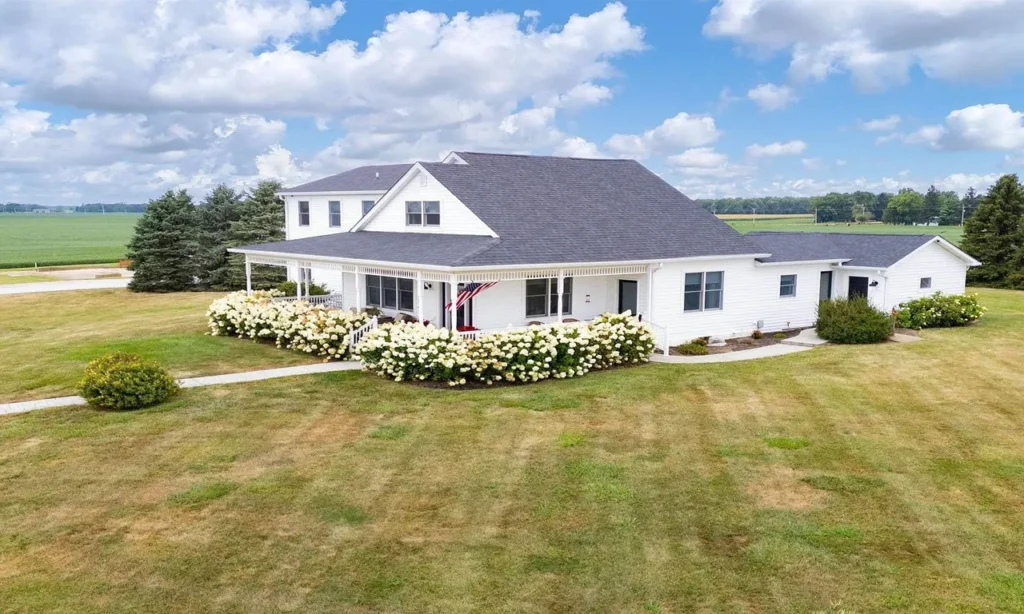
Although rural property insurance coverage provides broad protection, every policy contains exclusions that homeowners must understand carefully. Common exclusions include flood damage, earthquakes, intentional property damage, normal wear and tear, pest infestations, and certain agricultural business activities. Assuming every loss is covered may result in costly surprises during claim settlement. Reading policy documents thoroughly and discussing exclusions with an experienced insurance agent helps property owners purchase additional endorsements that close important coverage gaps before unexpected disasters occur.
Flood Insurance Requirements For Rural Property Owners Explained Clearly
Flood damage is one of the most expensive risks facing rural property owners, yet it is usually excluded from standard rural property insurance coverage. Separate flood insurance may be necessary, especially for properties located near rivers, lakes, or flood-prone areas. Even low-risk regions can experience severe flooding after heavy rainfall. Evaluating flood maps, historical weather patterns, and property elevation helps homeowners determine whether additional flood protection is necessary to safeguard their investment and financial future.
Earthquake Coverage Options For Rural Property Owners Nationwide Today
Earthquake damage is generally excluded from standard rural property insurance coverage, requiring a separate endorsement or specialized policy. Although earthquakes occur less frequently than storms or fires, they can cause devastating structural damage, foundation movement, and utility failures. Rural homeowners should evaluate local seismic activity before deciding whether additional protection is appropriate. Purchasing earthquake coverage provides financial security against expensive repairs while reducing long-term recovery costs following unexpected seismic events affecting rural communities.
Protecting Barns Workshops And Detached Buildings From Unexpected Losses
Detached structures such as barns, workshops, garages, machine sheds, and storage facilities often represent substantial financial investments. Rural property insurance coverage typically includes protection for these buildings, but coverage limits vary by insurer and policy type. Property owners should verify replacement values regularly to reflect construction cost increases and recent improvements. Properly insuring detached structures ensures financial recovery after fires, storms, vandalism, or other covered events that damage multiple buildings across rural properties.
Coverage For Wells Septic Systems And Utility Infrastructure Explained
Many rural homes depend on private wells, septic systems, underground utility lines, propane tanks, and independent electrical systems. Rural property insurance coverage may protect certain utility components from covered perils, while other damages require optional endorsements. Repairing underground infrastructure can become extremely expensive after storms, accidents, or equipment failures. Reviewing policy details carefully ensures homeowners understand which systems receive protection and whether additional coverage should be purchased for complete financial security.
How Property Value Influences Rural Insurance Premium Calculations Today
Insurance companies evaluate replacement cost, property location, building materials, acreage, claims history, and surrounding hazards when calculating rural property insurance coverage premiums. Higher property values generally increase insurance costs because rebuilding expenses rise accordingly. However, safety improvements, security systems, and disaster mitigation measures may reduce premiums over time. Understanding how insurers calculate pricing allows homeowners to make informed decisions that balance comprehensive protection with affordable long-term insurance costs for valuable rural properties.
Factors That Affect Rural Property Insurance Coverage Premium Costs
Several factors influence rural property insurance coverage costs, including geographic location, wildfire exposure, flood risk, construction quality, roof condition, security features, claims history, deductible selection, and available emergency services. Larger properties containing multiple structures or agricultural operations often require broader protection and higher premiums. Comparing quotes from specialized rural insurers helps homeowners identify competitive pricing without sacrificing important coverage benefits. Regular policy reviews may also uncover valuable discounts that reduce annual insurance expenses.
Importance Of Accurate Property Appraisals Before Purchasing Insurance Policies
Accurate property appraisals play an important role when selecting rural property insurance coverage because underinsured properties may receive inadequate claim payments after major losses. Professional appraisals determine realistic rebuilding costs, current market conditions, and replacement values for homes, barns, fences, and additional structures. Updating property valuations after renovations or construction projects ensures insurance policies remain accurate. Proper valuation protects homeowners from unexpected financial burdens while supporting smoother claims and faster recovery after disasters.
Replacement Cost Versus Actual Cash Value Coverage Differences Explained
Replacement cost coverage pays the amount necessary to rebuild or replace damaged property using current construction prices without significant depreciation. Actual cash value coverage subtracts depreciation based on age and condition before paying claims. Rural property insurance coverage often allows homeowners to choose between these settlement methods. Replacement cost generally provides stronger financial protection despite slightly higher premiums. Understanding these differences helps property owners avoid unexpected out-of-pocket expenses following serious property losses or disasters.
Choosing Appropriate Deductibles For Rural Insurance Coverage Successfully Today
Deductibles directly affect both insurance premiums and claim payments. Higher deductibles generally reduce annual rural property insurance coverage costs but increase out-of-pocket expenses after covered losses. Lower deductibles provide greater financial assistance during claims while increasing yearly premiums. Property owners should carefully evaluate emergency savings, property value, local disaster risks, and personal financial stability before selecting deductible amounts. Choosing balanced deductibles helps maintain affordable premiums without creating unnecessary financial hardship following unexpected property damage.
Comparing Rural Property Insurance Providers Before Making Final Decisions Carefully
Choosing the right insurer requires more than comparing premiums alone. Rural property insurance coverage varies significantly between companies regarding policy limits, exclusions, endorsements, customer service, and claims handling. Property owners should evaluate financial strength ratings, customer reviews, settlement history, and rural insurance expertise before purchasing coverage. An experienced provider understands agricultural risks and unique rural challenges. Comparing multiple insurers helps homeowners secure comprehensive protection, reliable claims support, competitive pricing, and long-term confidence in their insurance investment.
Importance Of Customizing Rural Property Insurance Coverage For Individual Needs
Every rural property has unique characteristics that require customized insurance solutions. Rural property insurance coverage should reflect property size, building types, farming activities, equipment values, livestock ownership, and personal liability exposure. Standard policies may leave important assets underinsured without proper endorsements. Reviewing risks with a qualified insurance professional ensures personalized protection. Tailored insurance policies provide greater financial security, reduce unexpected claim disputes, and help property owners recover more effectively after covered losses or disasters.
Business Activities Affecting Rural Property Insurance Coverage Requirements Significantly Today
Many rural properties generate income through farming, livestock production, agritourism, equipment rentals, or home-based businesses. These commercial activities may require additional endorsements because standard rural property insurance coverage often excludes business-related losses. Insurance providers evaluate business operations separately to determine appropriate protection. Failing to disclose income-generating activities can result in denied claims or reduced compensation. Honest disclosure and specialized coverage protect both personal property and business investments from unexpected financial risks.
How Seasonal Vacancies Impact Rural Insurance Policy Protection Levels
Many rural homes remain vacant during certain seasons, increasing exposure to vandalism, theft, weather damage, and delayed maintenance issues. Rural property insurance coverage may contain vacancy clauses limiting protection after extended periods without occupancy. Homeowners should notify insurers before leaving properties unattended for long durations. Installing security systems, arranging regular inspections, and maintaining utilities may help preserve coverage eligibility. Understanding vacancy requirements prevents unexpected claim denials following losses occurring while properties remain temporarily unoccupied.

Importance Of Regular Policy Reviews For Rural Property Owners
Property values, construction costs, equipment purchases, and farming operations change over time. Rural property insurance coverage should be reviewed annually to ensure adequate protection remains in place. Failing to update policies after renovations, new buildings, or equipment purchases can leave valuable assets underinsured. Regular reviews also identify available discounts, outdated endorsements, and unnecessary coverage. Keeping policies current provides stronger financial security while ensuring insurance accurately reflects the property’s evolving value and operational needs.
How Claims Process Works After Rural Property Damage Occurs
After experiencing property damage, homeowners should immediately ensure safety, document losses, notify their insurance company, and begin temporary damage prevention. Rural property insurance coverage claims typically involve inspections, evidence collection, repair estimates, and settlement negotiations. Maintaining photographs, receipts, inventories, and maintenance records supports faster claim resolution. Prompt reporting improves communication with adjusters while reducing delays. Understanding each claims step helps homeowners avoid mistakes and maximize available compensation following covered property losses.
Essential Documents Needed During Rural Insurance Claim Investigations Successfully
Insurance companies require supporting documentation before approving rural property insurance coverage claims. Essential records include photographs, repair estimates, purchase receipts, ownership documents, maintenance logs, inventories, police reports, and contractor invoices. Organized documentation strengthens credibility while helping adjusters verify losses accurately. Property owners should maintain secure digital and physical copies of important records before disasters occur. Comprehensive documentation accelerates claim processing, reduces disputes, and increases confidence throughout the insurance settlement process.
Avoiding Common Rural Property Insurance Coverage Mistakes Successfully Today
Many homeowners unknowingly make insurance mistakes by underestimating property value, ignoring exclusions, failing to update coverage, selecting inadequate liability limits, or overlooking optional endorsements. Rural property insurance coverage should evolve alongside changing property conditions and financial needs. Reviewing policies regularly with experienced insurance professionals helps identify weaknesses before disasters occur. Avoiding these common mistakes protects valuable assets, reduces financial uncertainty, and improves long-term insurance performance during future claims or emergency situations.
Benefits Of Working With Experienced Rural Insurance Professionals Always
Specialized insurance professionals understand the unique challenges facing farms, ranches, country homes, and agricultural operations. Rural property insurance coverage becomes easier to customize when guided by experienced agents familiar with regional weather risks, agricultural liabilities, and property valuation methods. Professional advice helps homeowners compare policies, understand exclusions, secure valuable endorsements, and identify premium-saving opportunities. Building long-term relationships with knowledgeable insurance advisors improves protection quality while simplifying future policy updates and claim assistance.
Future Trends Shaping Rural Property Insurance Coverage Across America
Technology continues transforming rural property insurance coverage through satellite imagery, drone inspections, artificial intelligence, remote monitoring, smart security systems, and predictive weather analytics. These innovations improve underwriting accuracy, speed claims processing, reduce fraud, and encourage proactive risk management. Insurance companies increasingly reward homeowners who invest in modern safety technology and disaster prevention measures. Staying informed about industry developments helps rural property owners maintain comprehensive protection while benefiting from evolving insurance solutions and competitive pricing.
How Technology Improves Rural Property Insurance Risk Management Today
Modern technology helps homeowners reduce risks while improving rural property insurance coverage. Smart security cameras, leak detection sensors, wildfire monitoring systems, weather alerts, and remote surveillance provide early warnings before small issues become major losses. Many insurers reward proactive risk management with premium discounts and enhanced coverage options. Investing in technology protects homes, equipment, and valuable assets while reducing claim frequency. Combining advanced monitoring with comprehensive insurance creates stronger financial security for rural property owners facing evolving environmental and operational risks.
Preparing Rural Properties Before Severe Weather Seasons Begin Annually
Preventive maintenance significantly reduces property damage during storms, floods, and wildfires. Rural property insurance coverage works best when homeowners inspect roofs, trim trees, reinforce fences, clean drainage systems, secure outdoor equipment, and review emergency plans before severe weather arrives. Seasonal preparation minimizes repair costs while strengthening insurance claims if disasters occur. Insurance companies also value responsible maintenance because well-prepared properties experience fewer losses. Proactive planning protects investments and improves long-term resilience against unpredictable natural disasters.
Creating Accurate Property Inventories For Faster Insurance Claims Processing
A complete property inventory simplifies insurance claims after fire, theft, storms, or other covered losses. Rural property insurance coverage claims are processed more efficiently when homeowners maintain updated lists of buildings, furniture, electronics, machinery, tools, livestock equipment, and personal belongings. Including photographs, receipts, serial numbers, and estimated values strengthens documentation. Digital backups stored securely provide additional protection if original records are destroyed. Organized inventories reduce disputes while helping insurers verify ownership and calculate fair replacement costs.
Understanding Endorsements That Expand Rural Insurance Policy Protection Effectively
Standard insurance policies may not cover every rural risk, making endorsements valuable additions. Rural property insurance coverage can be expanded through endorsements protecting farm equipment, livestock, irrigation systems, home businesses, identity theft, underground utilities, scheduled valuables, and additional liability exposures. Carefully reviewing available endorsements helps homeowners eliminate important coverage gaps before unexpected losses occur. Customized policy enhancements provide stronger financial protection while ensuring valuable assets receive specialized insurance designed specifically for rural property ownership.
How Liability Claims Affect Rural Property Owners Financial Stability
Accidents involving visitors, contractors, delivery personnel, or neighboring landowners can result in expensive liability claims. Rural property insurance coverage includes liability protection that helps pay medical expenses, legal defense costs, settlements, and court judgments following covered incidents. Large rural properties containing ponds, animals, machinery, or recreational areas often present increased liability exposure. Maintaining adequate liability limits protects homeowners from devastating financial consequences while providing confidence that unexpected accidents will not threaten long-term financial security.
Reviewing Insurance Policies Before Buying Rural Real Estate Properties
Purchasing rural real estate requires careful insurance planning before closing the transaction. Rural property insurance coverage should be reviewed alongside property inspections to identify existing risks, replacement costs, environmental hazards, and insurance availability. Some remote properties face limited insurer options or higher premiums because of wildfire exposure, flood risks, or emergency response limitations. Understanding insurance requirements before purchase prevents unexpected expenses while helping buyers make informed investment decisions that support long-term financial protection.
Working With Independent Insurance Agents For Better Coverage Solutions
Independent insurance agents represent multiple insurance companies instead of a single provider, allowing them to compare numerous rural property insurance coverage options. They evaluate property characteristics, coverage needs, endorsements, exclusions, and pricing before recommending suitable policies. Their experience helps homeowners identify hidden coverage gaps while securing competitive premiums. Building relationships with knowledgeable independent agents provides ongoing policy reviews, claim support, and expert guidance as property values and insurance requirements change over time.
Maintaining Affordable Premiums Without Sacrificing Valuable Insurance Protection
Reducing insurance costs should never mean reducing essential protection. Rural property insurance coverage remains affordable when homeowners increase deductibles responsibly, improve property security, perform regular maintenance, bundle policies, maintain good credit, and compare quotes annually. Many insurers offer discounts for wildfire prevention, alarm systems, impact-resistant roofing, and claims-free histories. Balancing affordability with comprehensive protection ensures homeowners remain financially prepared without exposing valuable rural investments to unnecessary insurance risks.

How Annual Policy Reviews Prevent Expensive Coverage Gaps Successfully
Insurance needs evolve as properties grow, buildings are added, equipment values increase, or agricultural activities expand. Rural property insurance coverage should be reviewed annually to verify replacement costs, liability limits, endorsements, and exclusions remain appropriate. Ignoring policy updates may leave important assets underinsured during future claims. Annual reviews also reveal available discounts and outdated policy provisions. Regular evaluations ensure insurance continues providing reliable protection that reflects current property values and operational changes.
Choosing Financially Strong Insurance Companies For Long Term Security
Financial stability is an important factor when selecting an insurance provider. Rural property insurance coverage becomes more dependable when purchased from companies with strong financial ratings, efficient claims handling, and excellent customer satisfaction records. Reliable insurers possess greater resources to process large disaster claims quickly and fairly. Reviewing independent financial ratings, customer feedback, and complaint histories helps homeowners choose insurers capable of providing dependable protection throughout changing market conditions and major catastrophic events.
Frequently Overlooked Risks Facing Rural Property Owners Every Year
Many rural homeowners focus only on visible structures while overlooking hidden risks such as underground utilities, septic failures, equipment theft, identity fraud, vacant buildings, and legal liability. Rural property insurance coverage should address these overlooked exposures through appropriate endorsements and policy adjustments. Identifying less obvious risks before losses occur strengthens financial preparedness and reduces claim disputes. Comprehensive risk assessments ensure every important asset receives appropriate protection regardless of its location or purpose.
Final Tips For Selecting Rural Property Insurance Coverage Wisely Today
Selecting the right rural property insurance coverage requires careful research, policy comparisons, professional guidance, and regular reviews. Homeowners should prioritize comprehensive protection rather than choosing the cheapest premium. Evaluating coverage limits, exclusions, endorsements, claims reputation, and financial strength helps ensure long-term security. Customized insurance solutions provide greater confidence while protecting homes, land, equipment, and personal assets. Investing time in selecting the right policy today can prevent significant financial hardship after tomorrow’s unexpected disasters.
Protecting Your Rural Property Investment With Confidence Forever Ahead
Rural property represents both a financial investment and a way of life deserving comprehensive protection. Rural property insurance coverage safeguards homes, agricultural buildings, valuable equipment, personal belongings, liability exposures, and future financial stability against unexpected losses. Choosing experienced insurers, maintaining accurate property records, reviewing policies annually, and implementing proactive safety measures creates stronger long-term protection. With proper planning and specialized insurance coverage, rural property owners can confidently preserve their investments, protect their families, and face future challenges with lasting financial peace of mind.
Frequently Asked Questions
What does rural property insurance coverage protect?
It protects rural homes, barns, fences, equipment, liability, and other covered property against eligible risks.
Does rural property insurance cover flooding?
Usually not. Flood insurance normally requires a separate policy or endorsement.
Is farm equipment covered under rural property insurance?
Yes, many policies cover farm equipment, but some require additional endorsements.
How can I lower my rural property insurance premium?
Install security systems, maintain your property, bundle policies, and compare insurance quotes annually.
Does rural property insurance include liability protection?
Yes. Most policies include personal liability coverage for covered accidents occurring on your property.
Should I review my insurance policy every year?
Yes. Annual reviews ensure your coverage matches your property’s current value and risks.
Conclusion
Choosing the right Rural property insurance coverage is essential for protecting your home, land, equipment, livestock, and financial future. Every rural property has unique risks that require customized insurance solutions rather than standard homeowners coverage. Reviewing policy limits, endorsements, exclusions, and liability protection helps prevent expensive coverage gaps. Working with an experienced insurance professional ensures your policy reflects your property’s true value and changing needs. Annual policy reviews, preventive maintenance, and proper documentation also strengthen future claims. Investing in comprehensive Rural property insurance coverage today provides long-term peace of mind, financial stability, and confidence that your valuable rural investment remains protected against unexpected losses and disasters.