
Introduction
High-risk occupation disability insurance provides essential income protection for professionals working in dangerous industries where injuries and occupational hazards are significantly higher than average. Are you employed in construction, mining, electrical work, firefighting, law enforcement, transportation, or another physically demanding profession? A workplace accident or disabling illness can suddenly interrupt your ability to earn an income while financial obligations continue. Choosing the right high-risk occupation disability insurance helps replace lost income, protect your family’s financial stability, and maintain long-term security. Understanding policy definitions, benefit periods, waiting periods, occupational classifications, and coverage options enables workers to make informed insurance decisions that safeguard both their careers and financial futures.
Understanding High-Risk Occupation Disability Insurance Coverage Benefits
High-risk occupation disability insurance replaces a portion of your income when an illness or workplace injury prevents you from performing your regular job duties. These monthly benefits help cover mortgage payments, rent, groceries, utilities, medical bills, transportation costs, and other essential living expenses during recovery. Unlike workers’ compensation, disability insurance may also provide protection for qualifying non-work-related illnesses or injuries. Understanding these valuable benefits helps high-risk professionals compare policies carefully while selecting dependable financial protection that supports long-term stability and peace of mind.
Why High-Risk Occupation Disability Insurance Matters Today
Workers employed in hazardous occupations face greater risks of serious injuries than many office-based professionals. High-risk occupation disability insurance protects families from financial hardship when accidents or medical conditions temporarily or permanently prevent employment. Without dependable income protection, daily expenses and long-term financial obligations may quickly become overwhelming. Understanding the importance of disability insurance encourages responsible financial planning while helping workers maintain financial independence, protect household income, and recover without unnecessary financial stress following unexpected workplace or medical events.
How High-Risk Occupation Disability Insurance Actually Works Today
Most high-risk occupation disability insurance policies begin paying monthly benefits after the policyholder completes the selected waiting period following a qualifying disability. Benefits continue throughout the chosen benefit period or until recovery allows the insured to return to work. Coverage usually replaces a percentage of pre-disability earnings rather than full income. Understanding how disability insurance functions helps workers compare available policies effectively while selecting dependable protection that supports both personal financial responsibilities and long-term career security.
Comparing Short-Term And Long-Term Disability Coverage Options Carefully
When purchasing high-risk occupation disability insurance, workers should compare short-term and long-term disability policies according to their financial needs. Short-term coverage generally provides benefits for several weeks or months, while long-term policies may continue payments for many years or until retirement age. Each option offers unique advantages depending on emergency savings and financial responsibilities. Understanding these differences helps high-risk professionals select comprehensive disability protection while maintaining long-term financial stability throughout extended recovery periods.
Occupations Commonly Requiring Specialized Disability Insurance Protection Today
Many physically demanding professions benefit from high-risk occupation disability insurance, including construction workers, electricians, roofers, firefighters, police officers, miners, commercial drivers, offshore workers, utility technicians, and heavy equipment operators. These occupations expose workers to greater risks of serious injuries that may interrupt employment unexpectedly. Understanding which professions require specialized disability coverage helps workers evaluate insurance needs while securing financial protection appropriate for their occupational responsibilities and workplace hazards.
Choosing Appropriate Monthly Disability Benefit Coverage Amounts Carefully
Selecting suitable monthly benefits remains one of the most important decisions when purchasing high-risk occupation disability insurance. Coverage should reflect household expenses, mortgage payments, loan obligations, family living costs, healthcare expenses, and other essential financial responsibilities. Choosing adequate income replacement protects financial stability without creating unnecessary premium costs. Understanding benefit calculations helps workers balance affordability with comprehensive protection while maintaining household security during periods of disability and temporary unemployment.
Understanding Waiting Periods Before Disability Benefits Begin
Every high-risk occupation disability insurance policy includes an elimination period before monthly benefits become payable. Waiting periods commonly range from thirty to one hundred eighty days depending on policy design. Longer waiting periods generally reduce premium costs, while shorter periods provide faster financial assistance following disability. Understanding waiting period options helps workers compare disability policies effectively while selecting coverage that complements emergency savings and supports financial needs during recovery.
Common Workplace Injuries Covered Under Disability Insurance Policies
Most high-risk occupation disability insurance policies provide coverage for disabling injuries such as fractures, spinal injuries, burns, amputations, traumatic brain injuries, ligament damage, severe back injuries, and occupational illnesses depending on policy terms. Coverage may also include qualifying illnesses unrelated to work activities. Understanding covered medical conditions helps workers compare insurance providers while selecting comprehensive disability protection that addresses the unique risks associated with hazardous occupations.
Factors Affecting Disability Insurance Premium Costs Significantly Today
Several important variables determine premiums for high-risk occupation disability insurance, including occupation type, age, income level, health history, tobacco use, benefit amount, waiting period, and benefit duration. Workers performing highly hazardous duties generally pay higher premiums because of increased claim risks. Understanding premium calculation factors enables applicants to compare insurers intelligently while identifying competitive pricing that delivers dependable long-term income protection despite elevated occupational risks.
Occupation Classifications Influencing Disability Insurance Premium Rates Carefully
Insurance companies assign occupational classifications when underwriting high-risk occupation disability insurance applications. Workers employed in physically dangerous environments generally receive higher-risk classifications than office-based professionals because injury exposure remains significantly greater. These classifications directly influence premium rates and eligibility requirements. Understanding occupational risk categories helps applicants compare insurers more effectively while identifying providers experienced in serving hazardous professions with fair underwriting standards and competitive policy pricing.
Medical Underwriting Requirements For Disability Insurance Approval Process
Most high-risk occupation disability insurance applications require medical underwriting before approval. Insurers commonly review medical history, prescription records, physician reports, laboratory results, health questionnaires, and lifestyle information when evaluating future disability risks. Some applicants may also complete medical examinations depending on requested benefit amounts. Understanding underwriting requirements helps workers prepare accurate applications while improving approval opportunities and obtaining competitive disability insurance coverage suited to hazardous occupations.
Own Occupation Coverage Benefits For Dangerous Professions Explained
Many high-risk occupation disability insurance policies offer own occupation protection, allowing benefits if policyholders cannot perform the duties of their specific profession, even when capable of working elsewhere. This valuable feature provides stronger financial protection than more restrictive policy definitions. Understanding own occupation coverage helps hazardous workers compare insurance options carefully while securing dependable income replacement that protects specialized careers and long-term earning potential after disabling injuries or illnesses.

Business Owners Working High-Risk Jobs Need Income Protection
Self-employed professionals performing dangerous work greatly benefit from high-risk occupation disability insurance because their personal income often depends entirely on daily physical labor. Contractors, independent electricians, plumbers, mechanics, and construction business owners face significant financial consequences following disabling injuries. Disability insurance helps replace lost earnings while supporting household stability during recovery. Understanding these risks encourages responsible insurance planning while protecting long-term business success and financial independence.
Choosing Reliable Disability Insurance Companies With Confidence Today
Selecting reputable insurers remains essential when purchasing high-risk occupation disability insurance. Consumers should compare financial strength ratings, customer satisfaction, underwriting flexibility, claims payment history, occupational expertise, and available policy features before enrolling. Financially stable insurance companies consistently honor policy obligations while providing dependable customer service during claims. Understanding insurer quality helps workers secure trustworthy disability protection while improving confidence in long-term financial security and reliable income replacement.
Avoiding Common Disability Insurance Buying Mistakes Successfully Today
Many applicants purchasing high-risk occupation disability insurance focus only on premium costs while overlooking waiting periods, benefit durations, policy definitions, occupation classifications, optional riders, and insurer reputation. These mistakes may significantly reduce financial protection following a disabling injury or illness. Comparing complete policy features instead of monthly premiums alone helps workers make informed insurance decisions. Understanding common buying mistakes strengthens long-term financial security while maximizing disability coverage value and dependable income protection.
Comparing Own Occupation And Any Occupation Coverage Carefully
Choosing between own occupation and any occupation definitions is essential when purchasing high-risk occupation disability insurance. Own occupation coverage pays benefits if you cannot perform the duties of your current profession, even if you can work elsewhere. Any occupation coverage generally requires that you cannot perform any suitable job based on your education and experience. Understanding these important policy definitions helps hazardous workers compare insurance options carefully while securing stronger income protection that matches their long-term career goals and financial responsibilities.
Residual Disability Benefits Supporting Partial Income Recovery Successfully
Residual disability benefits enhance high-risk occupation disability insurance by providing partial income replacement when an injury or illness reduces earning capacity instead of causing complete disability. Workers returning to their jobs with limited responsibilities or reduced working hours continue receiving proportional financial assistance during recovery. This feature helps bridge income gaps while supporting gradual rehabilitation. Understanding residual disability protection enables hazardous professionals to compare comprehensive policies that provide flexible financial support throughout every stage of medical recovery.
Cost Of Living Adjustments Preserving Future Benefit Value
Long-term disabilities can reduce purchasing power because of inflation, making cost-of-living adjustment riders valuable additions to high-risk occupation disability insurance. These riders periodically increase monthly benefit payments during extended claims, helping policyholders maintain financial stability despite rising living expenses. Inflation protection becomes especially important for workers expecting long-term recovery periods. Understanding these valuable policy enhancements allows applicants to compare insurance options more effectively while preserving the future value of disability income benefits.
Future Purchase Options Increasing Coverage Without Medical Examinations
Many high-risk occupation disability insurance policies include future purchase options that allow policyholders to increase benefit amounts as income grows without completing additional medical underwriting. This feature proves valuable for workers receiving promotions, expanding businesses, or earning higher wages over time. Future purchase riders provide flexibility while protecting growing financial responsibilities. Understanding this option helps hazardous professionals choose adaptable disability insurance that evolves alongside career advancement and increasing household financial obligations.
Business Overhead Expense Insurance Protecting Company Operations Continuously
Business owners working hazardous occupations often combine high-risk occupation disability insurance with business overhead expense coverage to protect company finances during recovery. These specialized policies help pay office rent, utilities, employee salaries, equipment leases, insurance premiums, and other operating expenses while the owner remains disabled. Business overhead coverage preserves operations and client relationships during temporary work interruptions. Understanding this protection helps entrepreneurs maintain business continuity while recovering from disabling injuries or illnesses.
Comparing Monthly And Annual Premium Payment Options Wisely
Insurance providers offering high-risk occupation disability insurance commonly provide flexible premium payment schedules, including monthly, quarterly, semiannual, and annual billing options. Annual payments sometimes qualify for premium discounts, while monthly billing improves affordability for workers managing regular household expenses. Comparing available payment methods helps applicants balance budgeting convenience with potential long-term savings. Understanding payment flexibility supports stronger financial planning while ensuring disability coverage remains affordable throughout the policy period.
High-Risk Workers Benefiting From Comprehensive Income Protection Plans
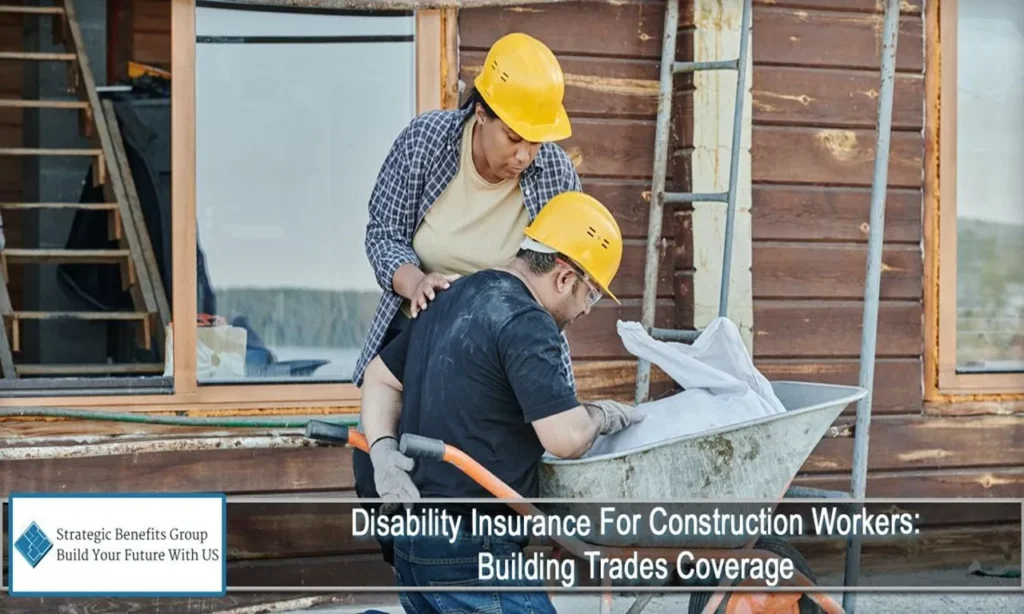
Construction workers, utility technicians, welders, heavy equipment operators, firefighters, and commercial drivers benefit significantly from high-risk occupation disability insurance because their income depends heavily on physical ability. Workplace injuries or severe illnesses can interrupt earnings for extended periods, creating financial hardship without proper insurance. Comprehensive disability coverage replaces lost income while protecting household finances and career stability. Understanding these benefits encourages hazardous workers to prioritize dependable income protection before unexpected medical emergencies occur.
Health Conditions Influencing Disability Insurance Underwriting Decisions Today
Insurance companies carefully evaluate health history when reviewing high-risk occupation disability insurance applications. Chronic conditions such as diabetes, hypertension, previous surgeries, musculoskeletal disorders, heart disease, and respiratory illnesses may affect eligibility or premium pricing. Applicants who manage health conditions responsibly often receive better underwriting outcomes than expected. Understanding medical evaluation standards helps hazardous workers prepare stronger applications while improving opportunities for affordable disability coverage and dependable long-term financial protection.
Financial Planning Using Disability Income Protection Insurance Strategies
Effective financial planning includes high-risk occupation disability insurance because income remains one of a worker’s most valuable financial assets. Disability benefits help preserve emergency savings, retirement accounts, investments, and family finances during unexpected illnesses or workplace injuries. Income replacement reduces reliance on debt while allowing policyholders to focus fully on recovery. Understanding disability insurance as a key financial planning tool strengthens economic stability and supports long-term financial independence despite occupational risks.
Reviewing Disability Coverage After Career Advancement And Promotions
Workers should review high-risk occupation disability insurance whenever promotions, salary increases, or career changes significantly affect income and financial responsibilities. Increased earnings often require higher monthly disability benefits to maintain household stability if disability occurs. Regular policy evaluations ensure coverage continues matching current income levels and future financial goals. Understanding the importance of routine reviews helps hazardous professionals maintain comprehensive income protection throughout evolving careers and changing financial circumstances.
Technology Improving Modern Disability Insurance Customer Experiences Today
Technology continues enhancing high-risk occupation disability insurance through online applications, digital underwriting, secure customer portals, electronic document submission, mobile account management, and automated claims processing. These innovations simplify insurance purchasing while reducing approval times and improving communication between insurers and policyholders. Understanding available technology helps hazardous workers compare policies efficiently while enjoying faster service, convenient policy management, and improved overall customer experiences throughout the insurance lifecycle.
Future Trends Transforming Disability Insurance Industry Solutions Rapidly
The future of high-risk occupation disability insurance continues evolving through artificial intelligence underwriting, wearable safety technology, predictive analytics, digital health monitoring, and personalized policy recommendations. Insurance companies increasingly develop innovative products specifically designed for physically demanding professions. Understanding emerging industry trends helps workers prepare for expanded coverage opportunities while maximizing long-term financial protection through modern disability insurance solutions that better address occupational hazards.
Choosing Financially Strong Disability Insurance Providers With Confidence
Selecting financially stable insurers remains essential when purchasing high-risk occupation disability insurance. Consumers should compare financial ratings, claims payment history, underwriting expertise, occupational specialization, customer satisfaction, and policy flexibility before enrolling. Financially secure insurance companies consistently honor policy obligations while providing dependable claims support during recovery. Understanding insurer quality strengthens confidence while ensuring workers receive reliable income replacement whenever disabling injuries or illnesses interrupt employment.
Managing Emergency Savings Alongside Disability Insurance Protection Effectively
Emergency savings complement high-risk occupation disability insurance by covering household expenses during elimination periods before monthly disability benefits begin. Maintaining several months of living expenses reduces financial pressure while waiting for insurance payments. Combining emergency funds with comprehensive disability coverage creates stronger financial resilience against unexpected injuries or illnesses. Understanding this balanced financial strategy helps hazardous workers protect income while maintaining long-term household stability during challenging recovery periods.
Understanding Benefit Period Length Options Before Enrollment Carefully
Benefit periods determine how long high-risk occupation disability insurance pays monthly income after a qualifying disability. Policies commonly offer benefit durations of two years, five years, ten years, or until retirement age depending on selected coverage. Longer benefit periods generally increase premium costs but provide stronger financial protection during severe disabilities. Understanding benefit duration options helps workers compare policies effectively while choosing coverage that supports long-term financial responsibilities and career security.
Tax Considerations Affecting Disability Insurance Benefit Payments Explained
Tax treatment plays an important role when evaluating high-risk occupation disability insurance. Benefits received from policies purchased with after-tax personal income are generally tax-free, while premium deductibility varies depending on business structure and policy ownership. Understanding applicable tax rules helps workers evaluate the overall financial value of disability insurance more accurately. Consulting qualified tax professionals ensures policyholders maximize benefits while making informed long-term financial planning decisions that support income protection.
Avoiding Common Disability Insurance Application Mistakes Successfully Today
Many applicants seeking high-risk occupation disability insurance make avoidable mistakes by providing incomplete medical information, underestimating income, ignoring policy definitions, or comparing only premium prices. Honest disclosure and careful policy comparisons improve approval opportunities while reducing future claim disputes. Understanding common application mistakes helps hazardous workers secure dependable disability protection that accurately reflects their occupational risks, financial needs, and long-term income replacement goals.
Preparing Financial Documents Before Disability Insurance Applications Carefully
Applicants purchasing high-risk occupation disability insurance should organize tax returns, employment records, wage statements, identification documents, medical histories, and financial information before beginning the underwriting process. Complete documentation helps insurers verify income accurately while accelerating policy approval and benefit calculations. Understanding required paperwork allows hazardous professionals to submit stronger applications, reduce administrative delays, and improve opportunities for competitive disability insurance coverage suited to their occupations.
Building Long-Term Financial Security Through Disability Protection Planning
Reliable high-risk occupation disability insurance strengthens financial security by replacing lost income, preserving retirement savings, protecting investments, supporting household expenses, and maintaining family stability after disabling injuries or illnesses. Comprehensive coverage allows workers to recover without sacrificing future financial goals or accumulating unnecessary debt. Understanding disability insurance as an essential component of financial planning encourages responsible preparation while protecting long-term economic independence despite elevated occupational risks.
Choosing High-Risk Occupation Disability Insurance With Complete Confidence Always
Selecting the right high-risk occupation disability insurance requires comparing benefit amounts, waiting periods, benefit durations, occupation definitions, optional riders, insurer reputation, financial strength, and customer satisfaction carefully. Workers who evaluate multiple insurance providers generally secure stronger income protection while controlling long-term premium costs. Smart comparison shopping ensures dependable financial support whenever workplace injuries or serious illnesses interrupt employment, providing lasting confidence, business stability, and peace of mind for hazardous professionals.
Understanding Policy Exclusions Before Purchasing Coverage Carefully
Every high-risk occupation disability insurance policy contains exclusions that identify situations where benefits may not be payable. Common exclusions include fraudulent claims, self-inflicted injuries, disabilities resulting from criminal activities, or conditions specifically excluded during underwriting. Reading policy documents carefully before purchasing coverage helps workers understand their rights and responsibilities while avoiding future misunderstandings. Understanding policy exclusions enables hazardous professionals to compare insurers more effectively and select dependable disability protection that delivers reliable financial support during legitimate periods of disability.
Comparing Employer Disability Benefits With Private Insurance Policies
Some hazardous employers provide disability benefits, but private high-risk occupation disability insurance usually offers greater flexibility, personalized coverage, and portability. Employer-sponsored plans often provide limited income replacement and typically end when employment changes. Individually owned disability policies remain active regardless of career transitions as long as premiums continue. Understanding these important differences helps workers identify coverage gaps while securing dependable income protection that safeguards long-term financial security and family stability throughout changing employment situations.

Managing Household Finances During Extended Disability Recovery Successfully
Proper financial planning with high-risk occupation disability insurance helps workers continue paying mortgages, utility bills, groceries, transportation expenses, healthcare costs, insurance premiums, and other daily obligations during lengthy recovery periods. Reliable monthly benefits reduce the need to borrow money or withdraw retirement savings while preserving financial stability. Understanding how disability insurance supports household budgeting encourages hazardous workers to prepare responsibly for unexpected injuries or illnesses while protecting long-term family financial security and economic independence.
Benefits Of Purchasing Disability Insurance Early In Careers
Buying high-risk occupation disability insurance early in a professional career often results in lower premiums, broader coverage options, and fewer underwriting restrictions. Younger applicants generally enjoy better health, making insurance approval easier and more affordable than waiting until later years. Locking in lower premium rates provides significant long-term financial advantages while protecting future earning potential. Understanding the value of early enrollment encourages workers to secure dependable disability protection before health changes increase insurance costs or limit coverage opportunities.
Reviewing Coverage Before Accepting Higher Occupational Responsibilities Carefully
Workers accepting promotions or additional job responsibilities should review high-risk occupation disability insurance to ensure benefit amounts remain sufficient for increased earnings and financial obligations. Career advancement frequently brings larger mortgages, higher living expenses, and greater family responsibilities that require stronger income protection. Regular policy reviews help maintain appropriate disability coverage while preventing financial gaps. Understanding the importance of updating insurance encourages hazardous professionals to protect evolving financial commitments throughout successful career growth.
Technology Advancing Disability Insurance Services For Hazardous Workers Today
Modern technology continues improving high-risk occupation disability insurance through digital applications, artificial intelligence underwriting, secure customer portals, online claims processing, electronic document management, and mobile policy access. These innovations simplify insurance purchasing while reducing administrative delays and improving communication between insurers and policyholders. Understanding technological advancements allows hazardous workers to compare coverage efficiently while enjoying faster approvals, simplified policy management, and more responsive customer service throughout the insurance experience.
Future Innovations Expanding Disability Insurance Protection Opportunities Continuously
The future of high-risk occupation disability insurance continues evolving through predictive analytics, wearable workplace safety devices, artificial intelligence, digital health monitoring, and personalized underwriting models. These innovations allow insurers to assess occupational risks more accurately while expanding affordable coverage opportunities for workers in hazardous industries. Understanding future developments helps professionals prepare for stronger disability solutions while maximizing long-term income protection, workplace security, and overall financial resilience against unexpected occupational risks.
Building Long-Term Financial Security Through Disability Planning Strategies
Reliable high-risk occupation disability insurance forms an essential part of comprehensive financial planning by replacing lost income, protecting retirement savings, preserving investments, maintaining household stability, and preventing unnecessary debt during disability. Consistent income replacement allows injured workers to focus on recovery instead of financial hardship. Understanding disability insurance as a cornerstone of long-term planning encourages responsible preparation while strengthening economic independence, protecting family finances, and supporting future financial success despite occupational risks.
Avoiding Common Disability Insurance Buying Mistakes Every Professional Makes
Many workers purchasing high-risk occupation disability insurance focus only on premium costs while overlooking benefit periods, waiting periods, policy definitions, optional riders, occupation classifications, insurer reputation, and financial strength. These oversights may significantly reduce financial protection when disability occurs. Comparing complete policy features instead of monthly premiums alone helps applicants make better insurance decisions. Understanding common purchasing mistakes strengthens long-term income protection while maximizing overall policy value and financial confidence.
Choosing High-Risk Occupation Disability Insurance With Complete Confidence Always
Selecting the right high-risk occupation disability insurance requires carefully comparing benefit amounts, waiting periods, benefit duration, occupation definitions, optional riders, insurer financial strength, claims history, and customer satisfaction. Workers who research multiple providers typically secure stronger income protection while controlling long-term insurance costs. Thoughtful comparison shopping helps hazardous professionals protect future earnings, preserve household financial stability, maintain business continuity when applicable, and enjoy lasting peace of mind throughout every stage of their careers.
FAQs
What is high-risk occupation disability insurance?
High-risk occupation disability insurance replaces part of your income if an illness or injury prevents you from working in a hazardous profession.
Who should purchase this insurance?
Construction workers, firefighters, police officers, electricians, miners, commercial drivers, welders, and other hazardous professionals should strongly consider this coverage.
Does disability insurance cover non-work-related illnesses?
Yes. Many policies cover qualifying illnesses and injuries whether they occur at work or outside the workplace.
How much income does disability insurance replace?
Most policies replace approximately 50% to 70% of your eligible pre-disability income.
What is an elimination period?
The elimination period is the waiting time between becoming disabled and receiving your first disability benefit payment.
Can I increase my disability coverage later?
Yes. Many insurers offer future purchase options that allow higher coverage without additional medical underwriting.
Why is disability insurance important for hazardous workers?
It protects income, preserves financial stability, and helps families manage expenses when workplace injuries or illnesses interrupt earning ability.
Conclusion
High-risk occupation disability insurance provides essential income protection for professionals working in physically demanding and hazardous industries. By comparing benefit amounts, waiting periods, policy definitions, optional riders, insurer reputation, and financial strength, workers can select dependable coverage that safeguards both personal finances and long-term career goals. Purchasing disability insurance before health problems or workplace injuries occur often provides broader coverage and lower premiums. Careful planning helps protect income, preserve retirement savings, maintain household financial stability, and reduce financial stress during recovery. Investing in the right disability policy today creates lasting confidence, stronger financial security, and greater peace of mind for the future.