
Introduction
Pet insurance for senior pets helps aging dogs and cats receive quality veterinary care without creating overwhelming financial stress for their owners. As pets grow older, they become more vulnerable to arthritis, diabetes, heart disease, cancer, kidney disorders, and other chronic conditions that require ongoing treatment. Have you considered how expensive long-term veterinary care can become during your pet’s senior years? The right insurance policy helps cover eligible medical expenses while allowing you to focus on your companion’s health instead of unexpected costs. This guide explains senior pet insurance benefits, coverage options, policy features, and practical tips for selecting reliable long-term protection for your aging pet.
Understanding Pet Insurance For Senior Pets Coverage Options
Choosing pet insurance for senior pets begins with understanding the available coverage options. Most senior policies include accidents, illnesses, surgeries, hospitalization, diagnostic tests, prescription medications, and specialist consultations. Some insurers also offer optional wellness coverage for routine examinations and preventive care. Comparing policy features carefully helps owners identify plans that provide meaningful protection while remaining affordable. Understanding available benefits before purchasing insurance allows families to make informed decisions and ensure aging pets continue receiving quality veterinary care throughout their senior years.
Why Senior Pets Need Comprehensive Insurance Protection Today
Older pets face a greater risk of chronic illnesses, injuries, and expensive medical treatments than younger animals. Pet insurance for senior pets reduces financial pressure by helping cover eligible veterinary expenses for ongoing health conditions. Insurance allows owners to approve recommended treatments without delaying care because of rising medical costs. Investing in comprehensive coverage provides peace of mind while ensuring aging companions receive timely healthcare. Reliable insurance protects both your pet’s wellbeing and your family’s long-term financial stability during the later stages of life.
How Senior Pet Insurance Policies Actually Work Explained Clearly
Most pet insurance for senior pets follows a reimbursement system where owners pay veterinary bills first and then submit claims for reimbursement. Coverage depends on deductibles, reimbursement percentages, annual limits, waiting periods, and policy exclusions. Understanding these important features before purchasing insurance helps owners avoid confusion when filing future claims. Reading policy documents carefully ensures realistic expectations while maximizing available benefits. Learning how insurance works allows families to plan financially and confidently manage veterinary expenses throughout their pet’s senior years.
Accident Coverage Protects Older Pets During Unexpected Emergencies Always
Senior pets remain vulnerable to accidents such as falls, fractures, poisoning, bite injuries, burns, and swallowing foreign objects. Pet insurance for senior pets helps reimburse eligible emergency veterinary expenses, including surgeries, hospitalization, diagnostic imaging, and emergency treatments. Immediate financial support allows owners to authorize urgent medical care without worrying about unexpected costs. Comprehensive accident protection improves recovery opportunities while reducing stress during emergencies. Selecting strong accident coverage provides valuable financial security for aging companions throughout their later years.
Illness Coverage Supports Long Term Senior Veterinary Healthcare Needs
Chronic illnesses become increasingly common as pets age. Pet insurance for senior pets helps cover eligible treatments for arthritis, diabetes, kidney disease, heart disease, cancer, thyroid disorders, allergies, and digestive conditions. Continuous illness protection reduces the financial burden of medications, specialist visits, laboratory testing, and long-term treatment plans. Reliable insurance enables owners to focus on improving their pet’s quality of life rather than worrying about growing veterinary expenses. Comprehensive illness coverage supports healthier and more comfortable senior pets.
Comparing Comprehensive Policies Versus Basic Senior Insurance Plans Carefully
Some insurers offer accident-only policies, while others provide comprehensive coverage including illnesses and chronic medical conditions. Pet insurance for senior pets should be compared carefully to determine which option delivers the greatest long-term value. Although comprehensive plans generally cost more, they usually provide significantly better financial protection throughout a senior pet’s life. Evaluating coverage limits, exclusions, reimbursement rates, and annual benefits helps owners choose insurance matching both healthcare needs and household budgets.
Understanding Deductibles Reimbursement Rates And Annual Limits Properly
Deductibles, reimbursement percentages, and annual limits directly influence overall policy value. Lower deductibles reduce immediate veterinary expenses but often increase monthly premiums. Higher reimbursement rates lower out-of-pocket costs after approved claims. Pet insurance for senior pets should provide a balanced financial structure that supports ongoing healthcare while remaining affordable. Comparing these policy features carefully allows owners to maximize insurance benefits and reduce long-term veterinary expenses. Strong financial planning improves lifelong healthcare security for aging pets.
Waiting Period Rules Affect Senior Coverage Eligibility Significantly Today
Most insurance companies require waiting periods before illness or orthopedic coverage begins, although accident coverage often starts sooner. Understanding waiting periods within pet insurance for senior pets helps owners avoid misunderstandings during future claims. Purchasing insurance before serious illnesses develop allows waiting periods to expire while pets remain healthier. Reviewing policy terms carefully ensures better planning and maximizes reimbursement opportunities. Understanding eligibility timelines strengthens long-term financial preparation and supports uninterrupted veterinary care for senior companions.
Pre Existing Conditions Influence Senior Insurance Coverage Decisions Greatly
Most insurers exclude illnesses or injuries diagnosed before enrollment because they are considered pre-existing conditions. Purchasing pet insurance for senior pets before significant health problems develop provides broader long-term protection. Some providers may reconsider previously resolved medical issues after extended symptom-free periods, depending on policy terms. Understanding these exclusions before purchasing insurance helps owners make informed decisions while avoiding future reimbursement disappointments. Early enrollment remains one of the best strategies for maximizing available senior pet insurance benefits.
Choosing Coverage Based On Breed Related Health Conditions Wisely
Many breeds develop predictable health conditions later in life, including arthritis, hip dysplasia, heart disease, respiratory disorders, and inherited illnesses. Pet insurance for senior pets should provide meaningful protection for eligible breed-related medical conditions diagnosed after enrollment. Understanding breed-specific health risks helps owners compare policies more effectively and choose comprehensive long-term coverage. Tailoring insurance according to breed characteristics supports better healthcare planning while reducing future veterinary expenses associated with chronic diseases.
Senior Dogs Require Specialized Long Term Healthcare Insurance Protection Today
Senior dogs often experience arthritis, mobility problems, cancer, heart disease, diabetes, and joint disorders requiring continuous veterinary care. Pet insurance for senior pets helps reduce the financial burden associated with medications, surgeries, rehabilitation, diagnostic testing, and specialist consultations. Reliable insurance ensures aging dogs receive recommended treatment without unnecessary delays caused by cost concerns. Comprehensive healthcare protection improves quality of life while providing owners with greater financial confidence throughout their dog’s senior years.
Senior Cats Benefit From Comprehensive Veterinary Insurance Coverage Too
Older cats commonly develop kidney disease, thyroid disorders, diabetes, arthritis, dental disease, and heart conditions requiring lifelong management. Pet insurance for senior pets helps reimburse eligible treatments including medications, hospitalization, laboratory testing, and specialist care. Continuous insurance protection allows owners to prioritize veterinary recommendations while reducing financial pressure. Investing in comprehensive coverage helps senior cats receive consistent medical attention that supports healthier, longer, and more comfortable lives throughout their aging years.

Routine Wellness Benefits Improve Senior Pet Health Significantly Today
Preventive healthcare becomes increasingly important as pets age. Many pet insurance for senior pets policies offer optional wellness benefits covering annual examinations, bloodwork, parasite prevention, vaccinations, nutritional counseling, and dental evaluations. Routine veterinary visits improve early disease detection while helping veterinarians monitor chronic conditions before complications develop. Preventive care supports better treatment outcomes and may reduce future healthcare expenses. Combining wellness benefits with comprehensive insurance creates stronger long-term healthcare protection for aging pets.
Comparing Monthly Premiums Across Senior Insurance Providers Carefully Today
Monthly insurance premiums vary according to age, breed, location, deductible, reimbursement percentage, and annual benefit limits. Comparing multiple pet insurance for senior pets policies helps owners identify plans providing the best long-term value rather than simply choosing the lowest premium. Reading policy documents alongside customer reviews improves purchasing confidence. Careful comparisons ensure affordable healthcare protection while maintaining comprehensive veterinary coverage for senior companions facing increasing medical needs.
Common Mistakes Owners Make Buying Senior Pet Insurance Frequently
Many owners delay purchasing insurance until serious illnesses develop, limiting future coverage opportunities. Others choose policies based only on low monthly premiums while ignoring exclusions, reimbursement percentages, annual limits, and waiting periods. Selecting pet insurance for senior pets requires careful research instead of quick decisions. Comparing multiple providers and reviewing policy details thoroughly prevents expensive mistakes. Well-informed purchasing decisions maximize long-term financial protection while ensuring aging pets continue receiving quality veterinary care.
Finding Trusted Senior Pet Insurance Providers For Lifelong Protection
Choosing the right insurance provider requires evaluating customer satisfaction, reimbursement speed, policy flexibility, annual limits, and claim approval history. The pet insurance for senior pets offered by reputable insurers usually provides dependable protection for accidents, illnesses, surgeries, hospitalization, and chronic conditions. Reading verified customer reviews helps owners compare real experiences before purchasing coverage. Careful provider comparisons improve long-term financial value while ensuring senior pets receive reliable veterinary care whenever unexpected health problems require immediate medical attention.
Understanding Claims Process Before Purchasing Senior Insurance Carefully Today
Understanding the claims process helps owners avoid confusion during veterinary emergencies. Most pet insurance for senior pets policies require payment at the veterinary clinic before reimbursement is requested through invoices and medical records. Insurance providers offering online claim systems and quick processing generally provide better customer experiences. Learning documentation requirements before enrollment reduces future claim delays and improves reimbursement success. A simple claims process supports financial confidence while allowing owners to focus entirely on their pet’s recovery.
Chronic Diseases Influence Senior Insurance Coverage Decisions Significantly Today
Senior pets commonly develop chronic illnesses requiring lifelong medications, specialist consultations, laboratory testing, and continuous veterinary monitoring. The pet insurance for senior pets selected should provide comprehensive coverage for eligible chronic conditions diagnosed after enrollment. Comparing providers carefully helps owners identify policies offering strong long-term support. Understanding chronic disease coverage before purchasing insurance improves financial planning while ensuring pets continue receiving recommended treatment throughout their senior years without unnecessary financial burden.
Customer Reviews Reveal Insurance Company Reliability And Performance Consistently
Customer reviews provide valuable insight into reimbursement speed, policy transparency, customer support quality, and claim approval experiences. Reading independent reviews helps owners compare pet insurance for senior pets beyond marketing advertisements. Insurance companies consistently receiving positive feedback generally offer stronger customer service and smoother reimbursement processes. Comparing customer satisfaction alongside policy features improves purchasing confidence while increasing the likelihood of dependable financial protection for aging companion animals requiring ongoing veterinary care.
Comparing Annual Coverage Limits Before Purchasing Insurance Wisely Today
Annual coverage limits determine the maximum reimbursement available during each policy year. Higher annual limits provide greater protection for surgeries, hospitalization, chronic illnesses, specialist consultations, and advanced diagnostic procedures. The pet insurance for senior pets offering generous annual benefits often provides stronger long-term value despite moderately higher premiums. Reviewing annual reimbursement limits carefully helps owners avoid unexpected veterinary expenses while maintaining continuous healthcare protection throughout their pet’s senior years.
Choosing Better Reimbursement Rates For Greater Financial Protection Successfully
Higher reimbursement percentages reduce out-of-pocket veterinary expenses after approved treatments. Most pet insurance for senior pets policies offer reimbursement choices ranging between seventy and ninety percent following deductible payments. Selecting the appropriate reimbursement structure depends on individual financial goals and anticipated healthcare needs. Comparing reimbursement options carefully helps maximize insurance value while maintaining affordable premiums. Strong reimbursement benefits reduce financial pressure and encourage timely veterinary treatment whenever serious medical conditions develop.
Emergency Veterinary Costs Continue Increasing Every Single Year Worldwide
Emergency veterinary treatment for senior pets often involves hospitalization, advanced imaging, specialist care, intensive monitoring, and emergency surgeries. These services can become extremely expensive without insurance protection. Pet insurance for senior pets helps reduce financial stress by reimbursing eligible emergency healthcare expenses after covered incidents. Immediate financial support allows owners to approve life-saving treatment without hesitation. Reliable emergency coverage protects both aging pets and household finances during unexpected medical crises requiring urgent veterinary intervention.
Multi Pet Discounts Lower Overall Insurance Expenses Significantly Today
Many insurance companies reward households with multiple pets by providing valuable premium discounts. The pet insurance for senior pets offering multi-pet savings allows owners to insure aging companions alongside younger animals while maintaining affordable monthly costs. Comparing available discounts improves long-term financial value without reducing policy benefits. Multi-pet insurance simplifies policy management while ensuring every household companion receives dependable healthcare protection. Responsible planning strengthens financial security and supports consistent veterinary care for all family pets.
Routine Veterinary Visits Support Better Senior Pet Health Continuously
Routine veterinary examinations become increasingly important as pets age because many illnesses develop gradually without obvious symptoms. The pet insurance for senior pets works best alongside regular wellness visits, laboratory testing, nutritional counseling, dental evaluations, and preventive healthcare. Frequent examinations improve early disease detection while helping veterinarians monitor chronic conditions before complications occur. Preventive healthcare strengthens long-term treatment outcomes and reduces future veterinary expenses while supporting healthier senior companions.
Preventive Healthcare Reduces Future Veterinary Expenses Throughout Retirement Years
Preventive medicine includes annual examinations, bloodwork, parasite prevention, vaccinations, dental care, nutritional guidance, and routine health screenings. These services help identify medical problems before advanced treatment becomes necessary. Pet insurance for senior pets combined with preventive healthcare creates stronger long-term financial protection and healthier aging companions. Early diagnosis improves recovery opportunities while reducing expensive emergency procedures. Responsible preventive care benefits both owners and pets through lower healthcare costs and improved quality of life.
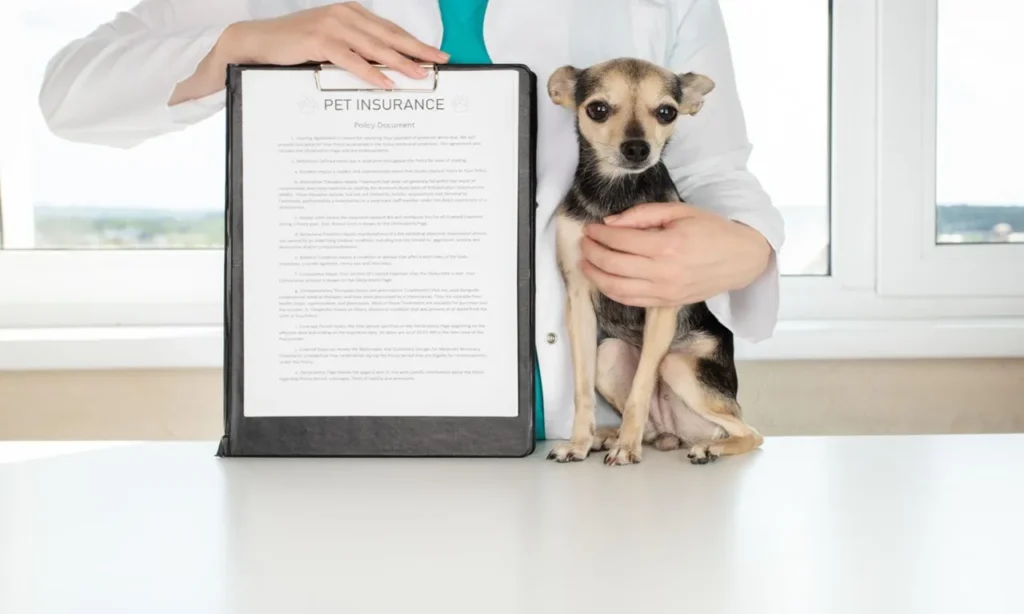
Reading Policy Exclusions Prevents Future Insurance Claim Problems Completely
Every insurance policy contains exclusions describing treatments, illnesses, or conditions not eligible for reimbursement. Reviewing pet insurance for senior pets carefully before enrollment helps owners avoid future misunderstandings during claims. Common exclusions include cosmetic procedures, breeding expenses, experimental therapies, and pre-existing conditions. Understanding policy limitations before purchasing insurance allows accurate provider comparisons while creating realistic reimbursement expectations. Transparent policy terms improve customer confidence and strengthen long-term financial planning.
Choosing Experienced Veterinarians Improves Insurance Claim Success Consistently Always
Experienced veterinarians provide accurate diagnoses, laboratory reports, treatment summaries, invoices, and medical documentation required for successful reimbursement. The pet insurance for senior pets performs most effectively when veterinary records remain complete and well organized. Maintaining long-term relationships with trusted veterinary professionals improves continuity of care while simplifying insurance claims. Reliable documentation accelerates reimbursements and minimizes administrative delays. Strong cooperation between veterinarians, insurers, and owners benefits aging pets through improved healthcare planning and financial security.
Understanding Waiting Period Rules Before Filing Claims Properly Today
Insurance providers generally require waiting periods before illness or orthopedic coverage becomes active, although accident benefits often begin sooner. Understanding waiting period requirements within pet insurance for senior pets prevents future claim misunderstandings. Purchasing insurance before serious medical conditions develop allows waiting periods to expire while pets remain healthier. Reviewing policy documents thoroughly improves long-term planning while maximizing available insurance benefits and reducing reimbursement disputes throughout a pet’s senior years.
Annual Policy Reviews Improve Long Term Insurance Value Continuously Always
Insurance needs change as pets age and veterinary costs continue increasing. Reviewing pet insurance for senior pets every year helps owners evaluate premiums, reimbursement percentages, annual limits, and provider improvements. Comparing multiple insurers ensures healthcare protection continues meeting evolving medical requirements. Annual policy evaluations maximize financial value while preventing unnecessary coverage gaps. Regular reviews strengthen long-term veterinary planning and maintain dependable insurance protection throughout every stage of senior pet ownership.
Making Smart Insurance Decisions For Senior Pets Successfully Always
Selecting the right pet insurance for senior pets requires balancing affordability, reimbursement rates, annual limits, customer service, and comprehensive healthcare protection. Responsible owners should prioritize long-term value instead of focusing only on the lowest monthly premium. Careful provider comparisons reduce purchasing mistakes while strengthening financial preparedness for future veterinary expenses. Smart insurance decisions provide lasting peace of mind, healthier senior companions, and dependable financial protection throughout every stage of responsible pet ownership.
Comparing Leading Senior Pet Insurance Providers Before Choosing Carefully
Selecting the best insurer requires comparing reimbursement rates, annual limits, claim approval speed, customer satisfaction, and renewal flexibility. The pet insurance for senior pets offered by reputable companies provides dependable protection for accidents, illnesses, surgeries, chronic diseases, hospitalization, and specialist care. Reading verified customer reviews and comparing policy benefits helps owners identify reliable providers. Careful research improves long-term financial value while ensuring aging pets receive continuous veterinary treatment whenever unexpected medical conditions require immediate professional attention.
How Pet Age Influences Insurance Premium Costs Significantly Today
Age is one of the biggest factors affecting insurance premiums because senior pets have greater healthcare needs. The pet insurance for senior pets purchased earlier in life often provides broader coverage and fewer exclusions than policies purchased later. Although premiums increase with age, insurance still delivers valuable financial protection against expensive medical treatments. Understanding how age influences policy pricing helps owners prepare financially while ensuring aging companions continue receiving quality veterinary care throughout their senior years.
Understanding Lifetime Benefits For Aging Companion Animal Healthcare Today
Lifetime insurance allows eligible medical conditions to remain covered every year as long as the policy is renewed continuously. Pet insurance for senior pets with lifetime benefits provides ongoing support for arthritis, diabetes, kidney disease, cancer, heart conditions, and other chronic illnesses. Continuous coverage reduces financial uncertainty while helping owners maintain consistent treatment plans. Reliable lifetime protection allows families to prioritize veterinary recommendations instead of worrying about recurring medical expenses during their pet’s later years.
Fast Claims Processing Improves Owner Satisfaction And Financial Confidence
Quick reimbursement helps owners recover veterinary expenses without lengthy waiting periods after approved claims. The pet insurance for senior pets offered by highly rated insurers often includes digital claim submission, online tracking, and responsive customer support. Efficient reimbursement reduces financial stress while encouraging immediate medical treatment whenever emergencies occur. Insurance providers recognized for fast claims processing usually achieve higher customer satisfaction ratings. Reliable reimbursement systems strengthen confidence and improve long-term insurance value for senior pet owners.
Hidden Policy Exclusions Every Senior Pet Owner Should Understand
Every insurance policy contains exclusions describing treatments, procedures, and conditions not eligible for reimbursement. Carefully reviewing pet insurance for senior pets helps owners avoid unexpected claim denials and financial disappointment. Common exclusions involve cosmetic procedures, breeding expenses, experimental treatments, and pre-existing conditions. Transparent insurers clearly explain policy limitations before enrollment. Understanding exclusions allows accurate provider comparisons while creating realistic expectations regarding future veterinary reimbursements and comprehensive healthcare protection.
Choosing Affordable Premiums Without Losing Essential Coverage Benefits Today
Affordable insurance should provide meaningful healthcare protection instead of limiting valuable benefits simply to lower monthly premiums. The pet insurance for senior pets offering the best value balances affordable pricing with strong reimbursement rates, generous annual limits, accident coverage, illness protection, and specialist care. Comparing policy features carefully helps owners maximize long-term savings without sacrificing important veterinary benefits. Smart insurance decisions improve healthcare quality while protecting household finances from rising veterinary expenses.
Preparing Financially Before Unexpected Senior Veterinary Emergencies Happen Again
Emergency veterinary treatment for aging pets may require hospitalization, surgery, advanced imaging, intensive care, or specialist consultations. These services can quickly become expensive without insurance protection. Pet insurance for senior pets provides valuable financial assistance for eligible emergency treatments throughout later life. Planning ahead with comprehensive insurance allows owners to approve urgent veterinary care without hesitation. Strong financial preparation protects household budgets while ensuring senior companions receive immediate medical attention whenever emergencies arise.
Annual Insurance Reviews Improve Long Term Policy Performance Continuously
Insurance providers regularly update premiums, reimbursement percentages, annual limits, and available benefits. Reviewing pet insurance for senior pets every year helps owners determine whether their current policy continues providing the strongest value. Comparing competing providers ensures healthcare protection remains suitable as veterinary needs evolve. Annual policy evaluations maximize financial benefits while preventing unnecessary coverage gaps. Regular insurance reviews strengthen long-term planning and maintain dependable healthcare protection throughout every stage of senior pet ownership.

Avoiding Common Insurance Mistakes Responsible Owners Frequently Make Today
Many owners postpone purchasing insurance until health problems appear, creating permanent exclusions for existing conditions. Others choose policies solely because of low monthly premiums while ignoring reimbursement rates and annual limits. Selecting pet insurance for senior pets requires careful comparison rather than rushed decisions. Understanding policy details before enrollment prevents costly mistakes while improving long-term financial security. Responsible insurance planning ensures aging pets receive continuous veterinary care whenever future medical treatment becomes necessary.
Working Closely With Veterinarians During Insurance Claims Successfully Always
Experienced veterinarians prepare accurate diagnoses, treatment summaries, invoices, laboratory reports, and medical documentation needed for successful insurance reimbursement. The pet insurance for senior pets performs most effectively when veterinary records remain complete and organized. Maintaining strong relationships with trusted veterinarians improves continuity of care while simplifying insurance claims. Reliable documentation accelerates reimbursements and reduces administrative delays. Effective cooperation between owners, veterinarians, and insurers benefits aging pets through stronger healthcare planning and financial protection.
Future Trends Transforming Senior Pet Insurance Industry Worldwide Today
Technology continues improving pet insurance through artificial intelligence, telemedicine, digital claims processing, personalized premiums, and faster reimbursement systems. The pet insurance for senior pets offered by innovative companies increasingly includes flexible benefits and expanded preventive healthcare options. Future developments may improve affordability while simplifying insurance management for older animals. Staying informed about industry trends helps owners choose modern insurers delivering excellent healthcare protection as veterinary medicine continues advancing rapidly.
Building Long Term Preventive Healthcare Plans Beyond Insurance Successfully
Insurance provides maximum value when combined with preventive healthcare including routine examinations, vaccinations, bloodwork, nutritional guidance, dental care, parasite prevention, and appropriate exercise. The pet insurance for senior pets complements preventive medicine by reducing financial barriers to ongoing veterinary care. Comprehensive long-term planning improves disease prevention while lowering future treatment costs. Combining insurance with preventive healthcare creates stronger lifelong protection and healthier outcomes for aging companion animals.
Making Confident Insurance Decisions For Senior Pet Protection Today
Selecting the best pet insurance for senior pets requires balancing affordability, reimbursement efficiency, annual limits, customer support, and comprehensive healthcare benefits. Responsible owners should prioritize long-term protection instead of selecting insurance based only on lower monthly premiums. Thorough provider comparisons reduce purchasing mistakes while improving financial preparedness for future veterinary expenses. Smart insurance decisions provide lasting peace of mind and dependable lifelong healthcare support for beloved senior companions.
Expert Recommendations For Better Senior Insurance Planning Successfully Today
Veterinary professionals recommend enrolling pets before serious illnesses develop, reviewing policy exclusions carefully, comparing reimbursement options, and selecting insurers with excellent customer service. The pet insurance for senior pets delivering the greatest value combines comprehensive healthcare protection with transparent policy terms and dependable claims handling. Following expert recommendations reduces insurance mistakes while improving lifelong healthcare outcomes. Professional guidance helps owners maximize policy benefits throughout every stage of senior pet ownership.
Final Thoughts About Senior Pet Insurance Coverage Today Successfully
Choosing pet insurance for senior pets helps families provide exceptional veterinary care without overwhelming financial stress during their companion’s later years. Comprehensive insurance supports accidents, chronic illnesses, surgeries, specialist consultations, hospitalization, and emergency treatment while reducing unexpected healthcare expenses. Comparing providers carefully, understanding policy features, and purchasing appropriate coverage ensures long-term financial security and consistent medical care. Every senior pet deserves access to quality treatment that supports comfort, health, and longevity. Investing in reliable insurance today protects both your beloved companion and your family’s financial future.
FAQs
What is pet insurance for senior pets?
Pet insurance for senior pets helps cover eligible veterinary expenses for older dogs and cats.
Is senior pet insurance worth buying?
Yes. It reduces the cost of chronic illnesses, surgeries, and emergency veterinary care.
Can older pets still qualify for insurance?
Yes. Many insurers offer coverage for senior pets, though eligibility varies by provider.
Does senior pet insurance cover pre-existing conditions?
No. Most insurance companies exclude pre-existing medical conditions.
What treatments are usually covered?
Most plans cover accidents, illnesses, surgeries, hospitalization, medications, and diagnostics.
When should I insure my senior pet?
Enroll as early as possible before major health conditions develop.
Can I visit any licensed veterinarian?
Most providers allow treatment from any licensed veterinarian.
Conclusion
Choosing pet insurance for senior pets is a practical way to protect your aging companion while managing rising veterinary costs. Senior pets often require ongoing treatment for arthritis, diabetes, heart disease, kidney problems, and other chronic conditions that become expensive over time. The right insurance policy helps reduce financial stress by covering eligible accidents, illnesses, surgeries, specialist care, and emergency treatments. Comparing reimbursement rates, annual limits, deductibles, and policy exclusions allows you to select coverage that fits both your pet’s healthcare needs and your budget. Investing in senior pet insurance today provides lasting peace of mind, supports better medical decisions, and helps your loyal companion enjoy a healthier, more comfortable life.