Introduction
Boat insurance claim process is an essential procedure every boat owner should understand before an accident, theft, storm damage, or collision occurs. Filing a claim correctly and promptly can significantly improve the chances of receiving fair compensation while minimizing unnecessary delays. Whether your boat suffers damage from severe weather, fire, vandalism, or another vessel, knowing each step of the claims process helps protect your financial investment. Understanding the boat insurance claim process enables boat owners to gather proper documentation, communicate effectively with insurers, meet policy requirements, and navigate claim settlements confidently while ensuring smoother claim approvals and long-term financial security on the water.
Understanding Boat Insurance Claim Process From Beginning Clearly
The boat insurance claim process begins immediately after an accident, theft, fire, storm damage, or other covered event. Policyholders should first ensure everyone’s safety before documenting the incident and notifying their insurance provider. Most insurers require prompt reporting to begin claim investigations and reduce unnecessary delays. Understanding the complete claims process allows boat owners to respond confidently during emergencies while improving settlement opportunities. Early preparation helps minimize stress and supports faster claim resolution after unexpected boating incidents.
Why Boat Insurance Claim Process Matters For Boat Owners
Every boat owner should understand the boat insurance claim process because unexpected accidents can create significant repair costs and financial losses. Properly filing claims helps recover eligible expenses while protecting long-term investments. Missing deadlines or failing to provide accurate documentation may delay or reduce insurance benefits. Understanding why claims procedures matter encourages responsible boating practices while helping owners maximize available policy protections. Well-informed policyholders often experience smoother settlements and fewer complications throughout the insurance claims experience.
How Boat Insurance Claim Process Actually Works Today
The boat insurance claim process typically begins when policyholders report an incident to their insurance company. After receiving the claim, insurers assign adjusters who investigate damages, review policy coverage, inspect the boat, and estimate repair costs. Supporting documents, photographs, repair estimates, and witness statements often assist claim evaluations. Once investigations conclude, insurers determine covered benefits according to policy terms. Understanding how the process works enables boat owners to cooperate effectively while improving claim accuracy and settlement efficiency.
Reporting Boat Accidents Immediately After Incident Occurs Safely
Prompt reporting remains one of the most important steps in the boat insurance claim process. Boat owners should notify both emergency authorities, when required, and their insurance provider as soon as possible after an accident. Early reporting allows insurers to begin investigations while preserving valuable evidence related to the claim. Delayed notification may complicate coverage decisions or extend settlement timelines. Understanding timely reporting requirements helps policyholders protect their insurance rights while improving overall claim outcomes and processing speed.
Collecting Important Evidence After Boat Accident Damage Events
Gathering evidence plays a critical role in the boat insurance claim process. Boat owners should photograph vessel damage, surrounding conditions, weather, water hazards, other involved boats, injuries, and property damage whenever possible. Collecting witness contact information, police reports, and repair estimates further strengthens insurance claims. Accurate documentation helps adjusters evaluate losses more efficiently while reducing disputes during settlement negotiations. Understanding evidence collection improves claim accuracy and supports faster insurance decisions after boating accidents.
Reviewing Insurance Policy Before Filing Damage Claims Carefully
Before beginning the boat insurance claim process, policyholders should carefully review insurance policy documents to understand covered risks, deductibles, exclusions, liability limits, and reporting requirements. Knowing policy details helps boat owners set realistic expectations while avoiding misunderstandings during claim evaluations. Reviewing coverage also identifies documentation needed for successful claims. Understanding insurance contracts before filing improves communication with adjusters while supporting quicker claim approvals and more accurate settlement decisions.
Working With Insurance Adjusters During Damage Assessments Successfully
Insurance adjusters play an important role throughout the boat insurance claim process by inspecting damages, reviewing evidence, verifying coverage, and estimating repair costs. Policyholders should cooperate fully while providing requested documents, maintenance records, photographs, and repair estimates. Honest communication helps adjusters evaluate claims accurately and fairly. Understanding the adjuster’s responsibilities encourages productive collaboration while improving claim efficiency and reducing unnecessary delays throughout the settlement process.
Understanding Deductibles Before Filing Insurance Damage Claims Today
Deductibles directly affect the financial outcome of the boat insurance claim process because policyholders pay this amount before insurance benefits apply. Higher deductibles usually reduce insurance premiums but increase personal costs after accidents. Lower deductibles provide greater immediate financial assistance but often involve higher premium payments. Understanding deductible responsibilities helps boat owners evaluate whether filing smaller claims remains financially beneficial while making informed insurance decisions before future incidents occur.
Common Boat Damages Covered Under Insurance Policies Explained
Many boat insurance claim process cases involve collisions, fire damage, theft, vandalism, storm damage, sinking, lightning strikes, and certain weather-related incidents depending on policy terms. Comprehensive insurance often covers both physical damage and liability claims arising from covered accidents. Coverage varies between insurers and policy types. Understanding commonly covered damages allows boat owners to file accurate claims while avoiding unrealistic expectations regarding excluded events and uncovered repair expenses.
Preparing Repair Estimates Before Insurance Claim Settlement Discussions
Repair estimates strengthen the boat insurance claim process by providing insurers with realistic damage assessments from qualified marine repair facilities. Multiple estimates may improve claim accuracy while helping adjusters determine fair settlement amounts. Detailed repair reports should include labor costs, replacement parts, structural damage, and recommended repairs. Understanding the importance of professional repair estimates supports transparent claim negotiations while increasing confidence throughout insurance settlement discussions and final reimbursement decisions.
Avoiding Common Mistakes During Insurance Claim Filing Process
Many boat owners unintentionally complicate the boat insurance claim process by delaying reports, failing to photograph damages, providing incomplete documentation, authorizing repairs before inspections, or misunderstanding policy coverage. These mistakes may delay claim approvals or reduce settlement amounts. Understanding common filing errors encourages careful preparation and better communication with insurers. Well-organized documentation and prompt reporting significantly improve the likelihood of successful insurance claims and timely financial recovery.
Weather Damage Claims Within Boat Insurance Coverage Explained
Storms, hurricanes, hail, lightning, flooding, and strong winds frequently trigger the boat insurance claim process for many policyholders. Comprehensive boat insurance may cover weather-related damage depending on policy provisions and maintenance responsibilities. Proper documentation of storm conditions, photographs, repair estimates, and weather reports strengthens insurance claims. Understanding weather-related coverage helps boat owners prepare effectively while improving settlement opportunities following severe environmental events.
Theft Claims Under Boat Insurance Policy Protection Benefits
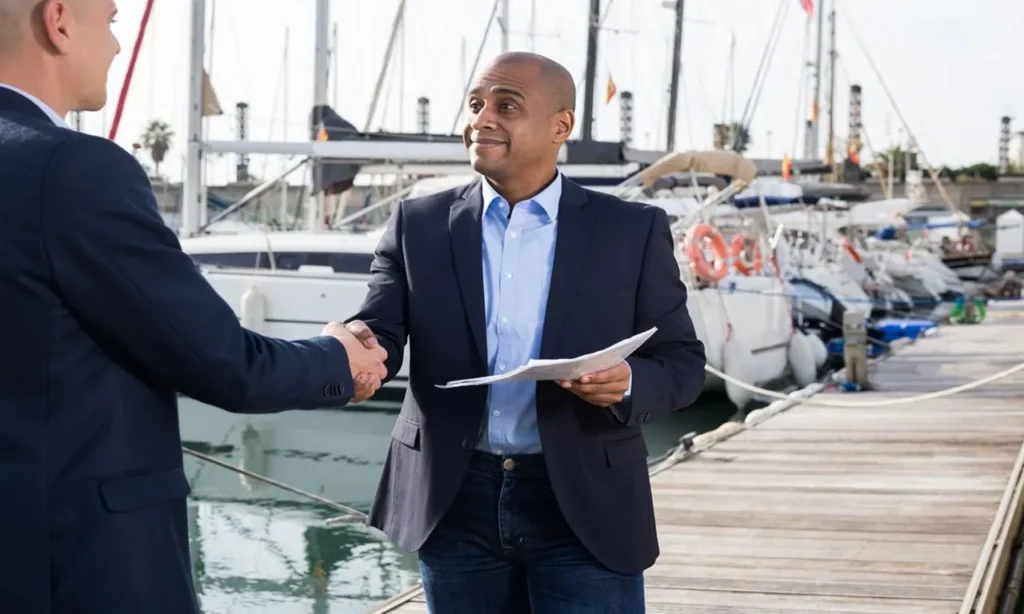
Boat theft remains a serious concern, making the boat insurance claim process essential after stolen vessels or equipment disappear. Policyholders should immediately notify law enforcement before contacting their insurance company. Police reports, ownership records, maintenance documents, photographs, and equipment inventories help support theft investigations. Understanding theft claim requirements allows insurers to evaluate losses efficiently while increasing the likelihood of successful reimbursement for covered property losses.
Liability Claims Following Boat Collision Accidents Successfully
Liability claims represent another important aspect of the boat insurance claim process when accidents cause injuries or property damage involving other people. Liability insurance helps pay legal expenses, medical costs, and repair bills according to policy limits. Boat owners should avoid admitting fault before investigations conclude while cooperating fully with insurers. Understanding liability claim procedures protects legal rights while supporting fair investigations and responsible financial resolution after boating accidents.
Choosing Reliable Insurance Companies For Faster Claim Resolution
Selecting reputable insurers improves the overall boat insurance claim process because experienced companies often provide faster claims handling, responsive customer service, efficient adjusters, and dependable settlement practices. Consumers should compare financial strength, customer satisfaction, claims history, and policy features before purchasing coverage. Understanding insurer quality helps boat owners secure reliable insurance protection while increasing confidence that future claims will be handled professionally, fairly, and without unnecessary delays.
Understanding Boat Insurance Claim Investigation Procedures Thoroughly Today
During the boat insurance claim process, insurance companies conduct detailed investigations to verify the cause of damage and confirm policy coverage. Adjusters review photographs, maintenance records, witness statements, weather reports, repair estimates, and accident documentation before determining claim eligibility. Honest cooperation and accurate information help speed investigations while reducing unnecessary delays. Understanding how claim investigations work enables boat owners to prepare complete documentation and improve the likelihood of receiving fair compensation under their insurance policy.
Comparing Total Loss And Repairable Damage Claims Carefully
Not every boat insurance claim process results in the same settlement outcome because insurers evaluate whether damaged vessels should be repaired or declared total losses. If repair costs exceed the boat’s insured value, the insurer may classify it as a total loss. Repairable boats usually receive compensation based on estimated repair expenses after deductibles. Understanding these claim classifications helps boat owners prepare realistic expectations while negotiating settlements and making informed financial decisions.
Understanding Boat Insurance Claim Process Settlement Calculations Clearly
Settlement calculations within the boat insurance claim process depend on policy limits, deductibles, depreciation, actual cash value, agreed value coverage, repair estimates, and applicable exclusions. Insurance companies carefully review all supporting documentation before determining final compensation amounts. Accurate repair records and maintenance history often strengthen settlement negotiations. Understanding how insurers calculate payments helps policyholders compare offers confidently while ensuring fair reimbursement according to policy terms and covered losses.
Communicating Effectively With Insurance Representatives During Claims Successfully
Clear communication significantly improves the boat insurance claim process by helping insurers obtain accurate information quickly. Boat owners should answer questions honestly, provide requested documents promptly, maintain written communication records, and follow up regularly regarding claim progress. Professional communication reduces misunderstandings while improving cooperation between policyholders and adjusters. Understanding effective communication practices helps accelerate claim resolution and increases confidence throughout the insurance settlement process after boating accidents.
Documenting Boat Maintenance Records Before Future Insurance Claims
Maintaining organized service records strengthens the boat insurance claim process because insurers often review maintenance history when evaluating damage claims. Repair invoices, inspection reports, engine servicing records, winterization documentation, and equipment replacement receipts demonstrate responsible ownership. Proper maintenance records help verify the vessel’s condition before an accident occurred. Understanding the importance of documentation supports stronger claims while reducing disputes concerning pre-existing damage or maintenance-related issues.
Understanding Hurricane Damage Claims For Insured Boats Properly
Hurricanes frequently trigger the boat insurance claim process because severe winds, storm surges, flooding, and floating debris can cause extensive vessel damage. Boat owners should document weather conditions, photograph damages immediately, secure the vessel when possible, and notify insurers promptly after the storm passes safely. Comprehensive documentation supports claim investigations while improving settlement accuracy. Understanding hurricane claim procedures helps policyholders recover financial losses more efficiently following severe coastal weather events.
Fire Damage Claims Under Boat Insurance Policy Coverage
Fire incidents often result in substantial losses, making the boat insurance claim process especially important for affected boat owners. After ensuring personal safety and notifying emergency responders, policyholders should photograph fire damage, preserve evidence when possible, and report the incident immediately to their insurer. Fire investigations may involve multiple experts evaluating the cause and extent of damage. Understanding fire claim requirements helps improve documentation while supporting fair insurance settlements and efficient claims processing.
Handling Boat Theft Recovery During Insurance Claim Investigations Carefully
The boat insurance claim process involving theft often continues even after law enforcement begins investigating the stolen vessel. Policyholders should provide ownership documents, registration information, photographs, equipment inventories, maintenance records, and police reports to support insurance investigations. If the stolen boat is recovered later, additional inspections may determine repair eligibility or remaining damages. Understanding theft recovery procedures helps boat owners cooperate effectively while protecting their financial interests throughout the claims process.
Medical Expense Claims Following Serious Boating Accident Injuries
When boating accidents result in injuries, the boat insurance claim process may include medical expense coverage depending on policy terms. Medical documentation, hospital invoices, physician reports, prescriptions, rehabilitation costs, and treatment records help support injury-related claims. Accurate healthcare documentation strengthens reimbursement opportunities while simplifying claim evaluations. Understanding medical expense coverage enables policyholders to obtain appropriate financial assistance while focusing on physical recovery after serious boating incidents.
Third Party Property Damage Claim Responsibilities Explained Clearly
The boat insurance claim process may involve claims from other boat owners or property owners when accidents cause damage beyond the insured vessel. Liability coverage generally pays eligible repair costs according to policy limits after investigations determine responsibility. Boat owners should cooperate fully while avoiding unnecessary admissions of fault before claim reviews conclude. Understanding third-party liability responsibilities protects legal rights while supporting fair settlement negotiations and responsible financial outcomes.
Choosing Qualified Marine Repair Facilities After Boat Accidents
Selecting experienced repair professionals strengthens the boat insurance claim process because qualified marine technicians provide accurate damage assessments and quality restoration services. Many insurers recommend approved repair facilities familiar with insurance procedures and documentation requirements. Detailed repair estimates improve settlement accuracy while ensuring damaged boats receive proper structural and mechanical repairs. Understanding repair facility selection helps boat owners protect both insurance benefits and long-term vessel safety.
Understanding Salvage Procedures After Severe Boat Damage Events
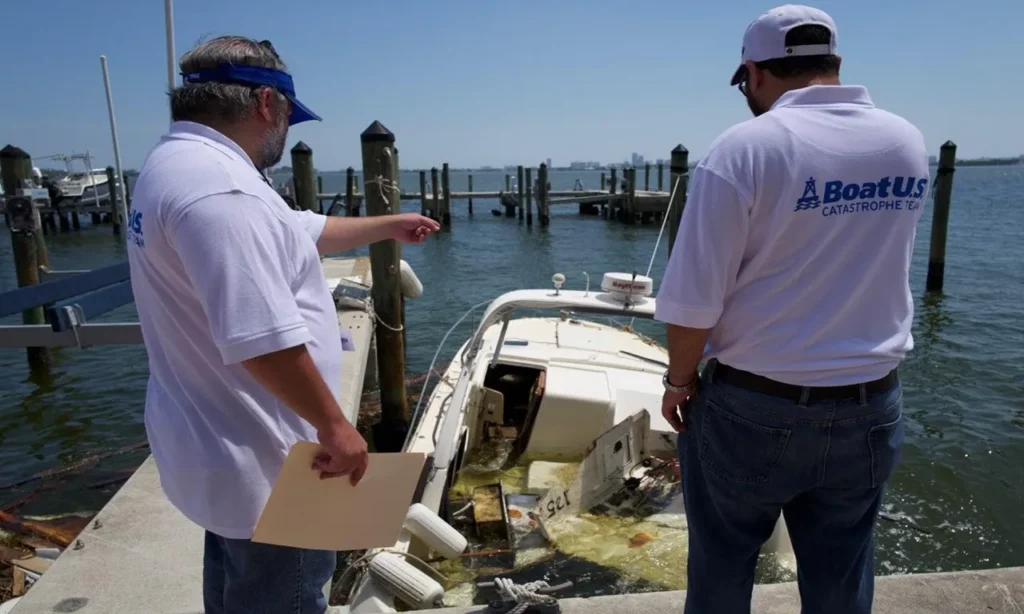
Some boat insurance claim process cases involve salvage operations when vessels sink, become stranded, or sustain catastrophic damage. Salvage services may include towing, recovery, environmental cleanup, and securing damaged property to prevent additional losses. Insurance policies often specify how salvage expenses are handled under covered claims. Understanding salvage procedures allows policyholders to cooperate with insurers while minimizing further damage and protecting available insurance benefits.
Technology Improving Modern Boat Insurance Claim Processing Systems Today
Technology continues transforming the boat insurance claim process through mobile applications, online claim reporting, digital document uploads, drone inspections, electronic payments, and artificial intelligence claim evaluations. These innovations reduce processing times while improving communication between insurers and policyholders. Boat owners benefit from greater convenience, faster updates, and simplified documentation throughout claim handling. Understanding technological advancements helps consumers maximize efficiency while enjoying improved customer experiences during insurance claims.
Future Innovations Transforming Boat Insurance Claim Services Rapidly
The future of the boat insurance claim process continues evolving through predictive analytics, satellite imaging, artificial intelligence damage assessments, blockchain documentation, and automated settlement systems. Insurance companies increasingly invest in advanced technologies that improve claim accuracy while reducing administrative delays. Understanding future insurance innovations helps boat owners prepare for more efficient claims experiences while benefiting from faster service, improved transparency, and enhanced financial protection after boating incidents.
Reviewing Boat Insurance Policy Before Renewal Every Year
Annual policy reviews strengthen the boat insurance claim process by ensuring coverage continues matching current vessel value, equipment upgrades, boating activities, and financial responsibilities. Reviewing deductibles, liability limits, optional endorsements, and exclusions before renewal reduces future claim surprises. Updated policies provide better protection while reflecting changing insurance needs. Understanding the importance of annual reviews helps boat owners maintain comprehensive coverage and improve future claim experiences.
Preparing Emergency Contact Information Before Future Boating Incidents
Preparing emergency contact information improves the boat insurance claim process because quick access to insurers, emergency responders, towing companies, repair facilities, and marina operators speeds response after accidents. Boat owners should maintain printed and digital copies of insurance policy numbers, emergency contacts, and registration documents onboard. Organized information supports faster reporting while reducing unnecessary confusion during stressful situations. Proper preparation strengthens overall claim efficiency and emergency response.
Avoiding Common Boat Insurance Claim Filing Mistakes Successfully Today
Many policyholders complicate the boat insurance claim process by delaying incident reports, authorizing repairs before inspections, discarding damaged property, providing incomplete documentation, or misunderstanding policy terms. These mistakes may reduce settlement amounts or delay claim approvals. Careful preparation, organized records, prompt reporting, and clear communication improve claim outcomes significantly. Understanding common filing errors helps boat owners maximize insurance benefits while protecting long-term financial interests.
Managing Claim Delays Through Proper Documentation And Communication
Unexpected delays occasionally occur during the boat insurance claim process, especially when investigations require additional evidence or complex damage evaluations. Maintaining organized documentation, responding promptly to insurer requests, and following up professionally helps resolve issues more efficiently. Regular communication keeps claims moving while preventing misunderstandings. Understanding how to manage delays allows policyholders to remain proactive and improve overall settlement experiences without unnecessary frustration.
Building Financial Protection Through Comprehensive Boat Insurance Planning
Comprehensive boat insurance claim process preparation begins long before accidents occur. Choosing appropriate coverage, maintaining accurate records, documenting maintenance, reviewing policies annually, and understanding claim procedures strengthen financial protection against unexpected boating losses. Responsible planning reduces stress during emergencies while improving settlement opportunities. Understanding insurance as part of long-term boating safety encourages smarter financial decisions and protects valuable marine investments throughout years of ownership.
Choosing Boat Insurance Claim Process With Complete Confidence Always
Understanding the complete boat insurance claim process allows boat owners to respond quickly, gather accurate documentation, cooperate with insurers, and secure fair compensation after covered losses. Comparing insurance providers, maintaining detailed maintenance records, reviewing policy coverage regularly, and following proper reporting procedures strengthen future claim outcomes. Careful preparation protects financial investments while minimizing unnecessary delays. Smart planning ensures boating enthusiasts enjoy greater confidence, stronger insurance protection, and lasting peace of mind every time they take their vessel onto the water.
Understanding Boat Insurance Policy Exclusions Before Filing Claims Carefully
Every boat insurance claim process begins with understanding what the policy covers and excludes. Certain claims involving normal wear and tear, mechanical breakdowns, intentional damage, improper maintenance, or excluded activities may not qualify for compensation. Reviewing policy exclusions before filing prevents misunderstandings and unrealistic expectations during settlement discussions. Understanding these limitations helps boat owners compare insurance policies more effectively while ensuring future claims are supported by proper coverage and accurate documentation for faster claim resolution.

Comparing Agreed Value And Actual Cash Value Settlements
Settlement methods significantly influence the boat insurance claim process because insurers calculate compensation differently under agreed value and actual cash value policies. Agreed value coverage generally pays the insured amount without depreciation, while actual cash value policies deduct depreciation before determining settlements. Understanding these valuation methods helps boat owners estimate potential reimbursements more accurately. Comparing settlement structures before purchasing coverage strengthens financial planning while protecting valuable marine investments against unexpected losses.
Managing Boat Insurance Claims Through Organized Documentation Successfully
Keeping organized records strengthens the boat insurance claim process by providing insurers with complete and accurate documentation after covered losses occur. Maintenance logs, purchase receipts, registration papers, photographs, repair invoices, equipment inventories, and policy documents all support claim investigations. Well-organized records reduce delays while improving claim accuracy and settlement speed. Understanding documentation requirements allows boat owners to prepare before emergencies while protecting financial interests throughout every stage of the insurance claims process.
Benefits Of Annual Policy Reviews Before Boating Season Begins
Reviewing insurance coverage annually improves the boat insurance claim process by ensuring policies accurately reflect the boat’s value, equipment upgrades, navigation areas, and liability needs. Updated policies reduce coverage gaps while improving claim eligibility following accidents or storm damage. Annual reviews also allow boat owners to compare premiums, deductibles, endorsements, and policy enhancements. Understanding the value of routine policy evaluations strengthens financial protection while supporting smoother insurance claims throughout every boating season.
Technology Enhancing Boat Insurance Claims And Customer Experience Today
Modern technology continues improving the boat insurance claim process through online reporting platforms, mobile applications, electronic signatures, artificial intelligence assessments, secure document uploads, and digital payment systems. These innovations simplify communication between insurers and policyholders while reducing claim processing times. Faster document sharing and real-time updates improve customer satisfaction throughout investigations. Understanding technological advancements helps boat owners maximize convenience while benefiting from quicker claim approvals and more efficient insurance services.
Future Innovations Improving Boat Insurance Claim Settlement Procedures
The future of the boat insurance claim process continues evolving through predictive analytics, drone inspections, satellite imagery, blockchain recordkeeping, and artificial intelligence claim evaluations. These technologies improve damage assessments, reduce fraud, and accelerate settlement decisions. Insurance providers increasingly adopt digital solutions that enhance transparency while improving customer experiences. Understanding future insurance innovations helps boat owners prepare for faster, more accurate claims while strengthening long-term financial protection and confidence on the water.
Building Long-Term Financial Security Through Proper Insurance Planning
Preparing for the boat insurance claim process before accidents occur strengthens financial security and protects valuable marine investments. Selecting comprehensive coverage, maintaining emergency savings, documenting maintenance, reviewing policy updates, and understanding claim procedures reduce financial risks associated with boating accidents. Responsible insurance planning allows owners to recover more efficiently after unexpected losses. Understanding proactive financial preparation encourages smarter boating decisions while supporting lasting confidence and economic stability throughout vessel ownership.
Avoiding Common Boat Insurance Claim Filing Errors Successfully Today
Many policyholders unintentionally weaken the boat insurance claim process by delaying incident reporting, failing to preserve evidence, authorizing repairs too early, submitting incomplete documentation, or misunderstanding policy requirements. These mistakes often slow investigations or reduce settlement amounts. Careful preparation, accurate recordkeeping, prompt communication, and cooperation with insurance adjusters significantly improve claim outcomes. Understanding common filing errors helps boat owners protect insurance benefits while maximizing successful claim resolutions.
Preparing For Future Boat Insurance Claims With Confidence Always
Successful preparation strengthens the boat insurance claim process long before emergencies occur. Boat owners should maintain updated insurance policies, photograph their vessels regularly, organize ownership documents, record maintenance history, and store emergency contact information securely. These proactive steps simplify claim reporting while reducing unnecessary delays after accidents or storm damage. Understanding proper preparation enables policyholders to respond confidently and protect valuable financial investments whenever unexpected boating incidents arise.
Choosing Boat Insurance Claim Process With Complete Confidence Always
Understanding the complete boat insurance claim process allows boat owners to report incidents promptly, gather accurate documentation, cooperate with adjusters, and negotiate fair settlements with confidence. Comparing insurance providers, maintaining detailed maintenance records, reviewing policy coverage annually, and following proper reporting procedures significantly improve claim outcomes. Thoughtful preparation reduces financial stress while protecting valuable marine investments. Smart insurance planning ensures dependable financial recovery, efficient claims handling, and lasting peace of mind throughout every boating adventure.
FAQs
What is the first step in the boat insurance claim process?
Ensure everyone’s safety, document the damage, and report the incident to your insurance company immediately.
What documents are needed for a boat insurance claim?
Photographs, repair estimates, maintenance records, registration documents, police reports, and witness information are commonly required.
Will my boat insurance cover storm damage?
Yes, if your policy includes comprehensive coverage and the damage is a covered event.
Can I repair my boat before the insurance inspection?
Generally, only emergency repairs should be completed before the insurance adjuster inspects the damage.
How long does a boat insurance claim take?
The timeline depends on the complexity of the claim, available documentation, and the insurer’s investigation process.
Does boat insurance cover theft?
Yes, many comprehensive boat insurance policies cover theft of the boat and certain insured equipment.
How can I speed up my insurance claim?
Report the incident quickly, provide complete documentation, cooperate with the adjuster, and respond promptly to insurer requests.
Conclusion
The boat insurance claim process becomes much easier when boat owners understand each step before an accident occurs. Prompt reporting, detailed documentation, accurate maintenance records, professional communication, and knowledge of policy coverage all contribute to faster claim approvals and fair settlements. Comparing insurers, reviewing policies annually, and preparing important records in advance help minimize delays while protecting valuable marine investments. Responsible insurance planning ensures financial security after unexpected incidents, allowing boat owners to focus on repairs and safely returning to the water with confidence and peace of mind.