
Introduction
Livestock insurance coverage is an essential financial safeguard for farmers, ranchers, and livestock producers who depend on healthy animals for their livelihood. What would happen if disease, natural disasters, theft, or accidents suddenly caused significant losses to your herd? Replacing valuable livestock can be extremely expensive and may threaten the future of your agricultural business. The right insurance policy provides financial protection, minimizes unexpected losses, and helps maintain business stability during difficult situations. Understanding available coverage options, exclusions, policy limits, and risk management strategies enables livestock owners to protect valuable investments while ensuring long-term operational success and financial confidence.
Understanding Livestock Insurance Coverage And Financial Protection
Livestock insurance coverage protects farmers and ranchers against financial losses caused by covered events affecting valuable animals. Policies may provide protection for cattle, horses, sheep, goats, poultry, and other livestock depending on individual needs. Covered risks often include fire, lightning, transportation accidents, theft, severe weather, and certain disease outbreaks. Choosing comprehensive coverage helps producers recover financially after unexpected losses while protecting long-term business stability. Proper insurance allows livestock owners to continue operations confidently despite unforeseen risks affecting their herds.
Why Every Livestock Owner Needs Reliable Insurance Protection
Raising livestock requires substantial financial investment, daily care, and ongoing operational expenses. Livestock insurance coverage helps reduce financial uncertainty by protecting valuable animals against covered losses. Without adequate insurance, unexpected deaths, theft, or disasters may cause serious economic hardship for farming operations. Insurance provides financial security while helping producers recover faster after losses occur. Investing in appropriate coverage strengthens business continuity, protects income, and ensures livestock owners remain financially prepared for unpredictable events affecting their agricultural operations.
Types Of Livestock Eligible For Insurance Coverage Policies
Many insurance providers offer livestock insurance coverage for cattle, dairy cows, horses, sheep, goats, pigs, poultry, alpacas, llamas, and specialty breeding animals. Eligibility depends on animal type, health condition, intended use, and overall market value. High-value breeding stock often requires specialized insurance endorsements for maximum protection. Understanding which animals qualify allows producers to customize policies according to operational needs while protecting valuable livestock investments from covered risks that could significantly impact farm profitability.
Common Risks Covered Under Livestock Insurance Coverage Policies
Modern farming operations face numerous risks capable of causing substantial livestock losses. Livestock insurance coverage commonly protects against fire, lightning, transportation accidents, theft, severe storms, flooding, accidental injuries, and specific natural disasters. Some policies may also include limited disease protection through optional endorsements. Understanding covered risks allows producers to evaluate policy value and identify areas requiring additional protection. Comprehensive insurance reduces financial losses while supporting business continuity after unexpected incidents affecting insured animals.
How Disease Outbreaks Impact Livestock Insurance Coverage Benefits
Disease outbreaks can spread rapidly and create devastating financial losses for livestock producers. Livestock insurance coverage may include protection against certain infectious diseases when specific endorsements are purchased. Coverage varies among insurers and often depends on veterinary documentation, government regulations, and disease prevention practices. Farmers should understand policy limitations before relying on disease protection alone. Maintaining strong biosecurity measures alongside insurance provides the best defense against significant livestock health risks and unexpected financial losses.
Importance Of Mortality Protection For Valuable Farm Animals
Mortality coverage remains one of the most important components of livestock insurance coverage because it provides financial compensation when insured animals die from covered causes. Valuable breeding animals, dairy cattle, and registered livestock often represent major financial investments. Mortality insurance helps producers recover part of those losses while protecting future business operations. Accurate animal valuation, veterinary records, and policy reviews ensure adequate protection remains available throughout changing market conditions and livestock production cycles.
Protecting Livestock During Transportation With Proper Insurance Coverage
Transporting livestock between farms, auctions, processing facilities, or grazing areas exposes animals to additional risks. Livestock insurance coverage may provide protection for injuries, accidental deaths, vehicle accidents, or theft occurring during transportation. Farmers should verify transportation provisions before moving valuable animals long distances. Using experienced livestock transporters, following animal welfare regulations, and maintaining safe transportation practices reduce losses while improving insurance claim success if covered incidents occur during transit.
Factors Affecting Livestock Insurance Coverage Premium Costs Significantly
Insurance premiums depend on several important factors including animal species, age, health status, market value, herd size, geographic location, claims history, and selected coverage options. Livestock insurance coverage may cost more for high-value breeding animals or farms located in regions with increased weather or disease risks. Maintaining excellent herd health, implementing strong security measures, and practicing effective risk management may help reduce premiums while improving long-term insurance affordability and financial protection.
Understanding Policy Exclusions Before Purchasing Livestock Insurance Coverage
Every insurance policy contains exclusions that define situations not covered under the agreement. Livestock insurance coverage may exclude intentional harm, neglect, pre-existing illnesses, routine disease outbreaks, poor management practices, or normal aging. Reading policy documents carefully helps producers understand coverage limitations before filing claims. Discussing exclusions with experienced agricultural insurance professionals allows farmers to purchase additional endorsements when necessary while avoiding expensive surprises following unexpected livestock losses or claim denials.
Benefits Of Accurate Livestock Valuation For Insurance Claims
Proper valuation plays a critical role in successful livestock insurance coverage because claim payments depend on documented animal values. Farmers should maintain updated purchase records, breeding information, veterinary reports, registration certificates, and current market values for insured animals. Accurate documentation supports fair claim settlements while reducing disputes with insurance companies. Reviewing livestock values regularly ensures insurance protection reflects changing market conditions, breeding improvements, and increasing replacement costs affecting valuable agricultural investments.
Choosing Experienced Livestock Insurance Providers For Better Protection
Selecting the right insurance provider requires evaluating financial strength, agricultural expertise, customer service, claims handling reputation, and available policy options. Livestock insurance coverage should come from insurers experienced in agricultural operations and livestock management. Comparing multiple providers helps farmers identify comprehensive protection at competitive premiums while avoiding inadequate coverage. Working with knowledgeable agricultural insurance professionals ensures policies remain customized, financially beneficial, and capable of protecting valuable livestock against evolving operational risks.
Risk Management Strategies Supporting Livestock Insurance Coverage Success
Insurance works best when combined with effective livestock management practices. Livestock insurance coverage becomes even more valuable when producers implement biosecurity measures, routine veterinary care, secure fencing, emergency planning, disease prevention, and proper animal nutrition. These proactive strategies reduce losses while improving overall herd health and operational efficiency. Insurance companies also appreciate responsible risk management because healthier livestock and safer farming practices often result in fewer claims, better underwriting decisions, and more affordable long-term premiums.
Legal Responsibilities Every Insured Livestock Owner Should Understand
Livestock owners have legal responsibilities that directly affect livestock insurance coverage and future claim eligibility. Producers must provide proper animal care, maintain accurate records, report covered incidents promptly, and comply with policy conditions. Failure to meet contractual obligations may reduce or delay insurance benefits. Understanding these responsibilities helps farmers protect their coverage while ensuring smoother claims processing. Responsible livestock management, legal compliance, and transparent communication with insurers strengthen long-term insurance relationships and financial security.
Reviewing Livestock Insurance Coverage Policies Before Annual Renewals
Annual policy reviews ensure livestock insurance coverage continues meeting the changing needs of farming operations. Herd values, breeding programs, market prices, and operational risks evolve over time, making regular updates essential. Farmers should review policy limits, endorsements, exclusions, deductibles, and insured animal values before every renewal period. Updating coverage helps eliminate insurance gaps while ensuring adequate financial protection. Routine policy evaluations also identify available discounts, improved coverage options, and opportunities to strengthen long-term livestock protection.
How Weather Events Affect Livestock Insurance Coverage Claims Process
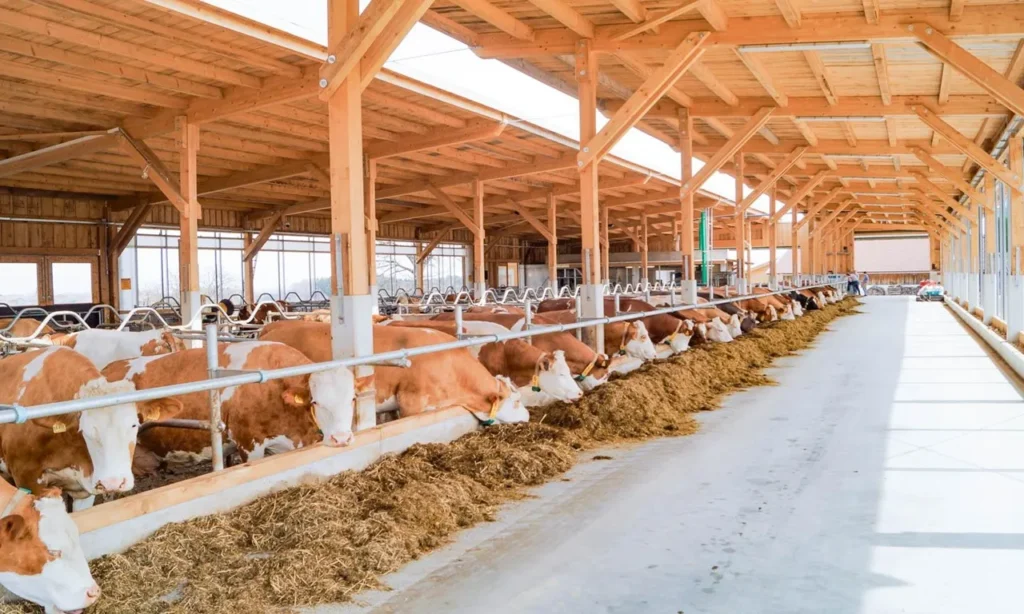
Extreme weather events such as hurricanes, tornadoes, floods, wildfires, blizzards, and severe heatwaves can cause devastating livestock losses. Livestock insurance coverage helps reduce financial hardship by compensating producers for covered losses resulting from eligible natural disasters. Coverage terms differ depending on policy conditions and endorsements, making it essential to understand limitations before disasters occur. Farmers who maintain emergency response plans, adequate shelters, and proper documentation strengthen both herd protection and future insurance claim success.
Protecting Breeding Livestock Through Specialized Insurance Coverage Options
Breeding animals often represent the most valuable assets within livestock operations because of their genetics and production potential. Livestock insurance coverage for breeding stock provides financial protection against covered mortality, theft, transportation accidents, and selected health risks. Accurate valuations supported by veterinary records and breeding documentation ensure appropriate compensation following losses. Specialized breeding coverage protects future income while preserving long-term herd development and maintaining financial stability for agricultural businesses investing in premium livestock.
Understanding Livestock Theft Risks And Insurance Protection Available
Livestock theft remains a significant concern for farmers across many rural regions. Livestock insurance coverage may protect producers from financial losses when insured animals are stolen under covered circumstances. Proper identification methods such as electronic tags, branding, fencing, surveillance cameras, and secure gates reduce theft risks while strengthening insurance claims. Maintaining accurate herd inventories and ownership records also helps verify losses. Strong security combined with comprehensive insurance creates dependable protection for valuable livestock investments.
Comparing Individual Animal And Herd Insurance Coverage Plans Carefully
Insurance companies offer policies covering individual high-value animals or entire herds depending on farming operations. Livestock insurance coverage for individual animals benefits owners of expensive breeding stock or competition animals, while herd coverage often provides broader protection for commercial livestock producers. Choosing the correct option depends on operational size, livestock value, financial goals, and risk tolerance. Carefully comparing policy structures helps farmers maximize protection while maintaining affordable insurance costs throughout changing production cycles.
How Veterinary Records Strengthen Livestock Insurance Coverage Claims Successfully
Veterinary records provide valuable evidence supporting insurance claims involving livestock illness, injuries, or covered mortality. Livestock insurance coverage providers often require health examinations, vaccination histories, treatment records, and mortality reports before approving compensation. Maintaining organized veterinary documentation demonstrates responsible herd management while reducing disputes during claims investigations. Regular veterinary care not only improves livestock health but also strengthens insurance credibility, helping producers receive faster and more accurate claim settlements following covered incidents.
Importance Of Biosecurity Practices Supporting Insurance Coverage Benefits
Strong biosecurity programs reduce disease transmission and improve overall livestock health. Livestock insurance coverage works most effectively when farmers implement visitor controls, quarantine procedures, vaccination programs, sanitation measures, and routine herd monitoring. Insurance companies recognize proactive disease prevention because healthier herds generate fewer claims. Combining comprehensive insurance with effective biosecurity protects livestock investments, strengthens long-term farm productivity, and reduces financial losses associated with preventable health emergencies affecting agricultural operations.
Coverage Options For Poultry Sheep Goats And Swine Farms
Many insurers provide livestock insurance coverage for poultry, sheep, goats, pigs, and specialty livestock operations in addition to cattle and horses. Coverage options vary according to animal species, production purpose, disease exposure, and market value. Farmers should compare available endorsements carefully because different livestock enterprises face unique operational risks. Selecting customized protection ensures every production system receives appropriate financial support while reducing losses caused by covered accidents, disasters, or unexpected mortality events.
Financial Benefits Of Comprehensive Livestock Insurance Coverage Policies
Comprehensive livestock insurance coverage protects business income by reducing financial losses after covered events affecting valuable animals. Instead of bearing replacement expenses alone, insured producers receive financial assistance that helps maintain operations, repay loans, purchase replacement livestock, and continue production. Insurance also improves long-term financial planning by reducing uncertainty associated with unpredictable agricultural risks. Reliable protection strengthens business resilience while providing producers with greater confidence to invest in herd expansion and operational improvements.
Avoiding Common Mistakes When Buying Livestock Insurance Coverage Policies
Many producers purchase inadequate coverage by focusing only on premium costs instead of overall protection. Livestock insurance coverage should accurately reflect herd value, operational risks, transportation activities, and breeding investments. Failing to disclose management practices, herd expansion, or animal value changes may result in denied claims or insufficient compensation. Working closely with experienced agricultural insurance professionals helps farmers avoid expensive mistakes while ensuring insurance policies provide dependable long-term financial protection for valuable livestock assets.
Understanding Deductibles Within Livestock Insurance Coverage Policies Thoroughly
Deductibles represent the amount producers pay before insurance benefits apply following covered losses. Livestock insurance coverage with higher deductibles generally offers lower premiums, while lower deductibles increase annual insurance costs but reduce out-of-pocket expenses after claims. Farmers should evaluate financial resources, herd value, and operational risks before selecting deductible levels. Choosing balanced deductibles creates affordable insurance protection while maintaining sufficient financial support during unexpected livestock losses or major agricultural emergencies.
Preparing Essential Documentation Before Filing Livestock Insurance Claims Properly
Proper documentation significantly improves claim processing and settlement accuracy. Livestock insurance coverage claims typically require ownership records, veterinary reports, purchase invoices, breeding certificates, photographs, mortality documentation, and incident reports. Organizing these records before losses occur allows producers to respond quickly during emergencies. Comprehensive documentation reduces disputes, accelerates insurance investigations, and increases confidence that eligible claims will receive fair compensation following covered livestock losses affecting farming operations.
How Annual Herd Growth Affects Insurance Coverage Requirements Significantly
As livestock operations expand, insurance requirements evolve alongside increasing herd values and production capacity. Livestock insurance coverage should be reviewed annually to reflect newly acquired animals, breeding improvements, changing market prices, and expanded farming activities. Failing to update policies may leave portions of the herd underinsured during major claims. Regular insurance reviews help maintain adequate protection while supporting sustainable business growth and long-term financial security for expanding livestock enterprises.
Working Agricultural Insurance Specialists For Better Livestock Protection Plans
Agricultural insurance specialists understand livestock production, breeding operations, disease risks, and farm management better than general insurance providers. Livestock insurance coverage becomes more effective when designed by professionals experienced in agricultural risk assessment. These specialists recommend suitable endorsements, evaluate herd values accurately, explain policy exclusions, and provide ongoing claims support. Their expertise helps producers secure stronger financial protection while simplifying insurance decisions throughout changing agricultural and livestock business operations.
Future Innovations Transforming Livestock Insurance Coverage Across Agriculture Today
Technology continues improving livestock insurance coverage through electronic animal identification, satellite monitoring, artificial intelligence, wearable health sensors, and predictive disease analytics. These innovations enable insurers to assess risks more accurately while helping farmers detect health issues before major losses occur. Advanced monitoring also supports faster claims processing and customized insurance pricing. Producers adopting modern agricultural technologies may benefit from improved herd management, enhanced financial protection, and more competitive long-term insurance solutions.
Choosing Reliable Livestock Insurance Coverage For Long Term Success
Selecting dependable livestock insurance coverage requires careful comparison of policy features, exclusions, financial strength, customer service, claims reputation, and available endorsements. Farmers should prioritize comprehensive protection over simply choosing the lowest premium. Working with experienced agricultural insurance professionals ensures policies remain customized for changing herd values and operational needs. Reliable insurance protects valuable livestock, strengthens business continuity, supports future expansion, and provides lasting confidence that agricultural investments remain financially secure against unexpected losses.
Reviewing Livestock Insurance Coverage Before Every Policy Renewal Carefully
Regular policy reviews help ensure Livestock insurance coverage reflects current herd values, breeding investments, and operational changes. Market prices, replacement costs, and livestock numbers often change throughout the year, making outdated policies inadequate. Farmers should evaluate policy limits, endorsements, deductibles, and exclusions annually with their insurance advisor. Updating coverage before renewal helps eliminate protection gaps, strengthens financial security, and ensures adequate compensation remains available following covered livestock losses or unexpected agricultural emergencies.
Maintaining Healthy Herds Reduces Long Term Insurance Risks Significantly
Healthy animals experience fewer illnesses, injuries, and mortality losses, benefiting both farmers and insurers. Livestock insurance coverage works best alongside preventive herd management practices including balanced nutrition, vaccination schedules, routine veterinary care, parasite control, and biosecurity measures. Insurance companies often recognize responsible livestock management when evaluating long-term risks. Maintaining healthy herds improves productivity, lowers financial losses, strengthens insurance relationships, and supports sustainable agricultural operations throughout every production season.
Emergency Planning Improves Livestock Insurance Coverage Claim Outcomes Successfully
Emergency planning helps livestock producers respond quickly to fires, floods, storms, disease outbreaks, and transportation accidents. Livestock insurance coverage provides financial protection, but organized emergency response plans reduce losses before claims become necessary. Farmers should prepare evacuation procedures, emergency contacts, backup feed supplies, veterinary resources, and animal identification systems. Effective planning protects livestock welfare while improving insurance documentation and accelerating claims processing after covered disasters affecting agricultural operations.
Technology Enhances Livestock Insurance Coverage And Herd Management Efficiency
Modern technology has transformed livestock production through GPS tracking, electronic identification tags, health monitoring sensors, automated feeding systems, and farm management software. Livestock insurance coverage benefits from these innovations because they improve recordkeeping, strengthen risk management, and reduce preventable losses. Insurance providers increasingly value technology that enhances herd monitoring and security. Farmers adopting advanced management tools often improve operational efficiency while supporting more accurate insurance assessments and faster claim investigations.
Selecting Proper Deductibles For Livestock Insurance Coverage Policies Wisely
Choosing the right deductible directly affects premium costs and claim payments. Livestock insurance coverage with higher deductibles generally lowers annual premiums but increases out-of-pocket expenses following covered losses. Lower deductibles provide greater financial assistance after claims while increasing yearly insurance costs. Farmers should carefully evaluate herd value, financial reserves, and operational risks before selecting deductibles. Balanced deductible choices create affordable insurance protection without exposing agricultural businesses to unnecessary financial hardship.
How Livestock Insurance Coverage Supports Farm Business Continuity Planning
Business continuity depends on the ability to recover quickly after unexpected losses. Livestock insurance coverage helps producers replace animals, maintain production, repay financial obligations, and continue operations following covered disasters. Insurance reduces financial disruption while protecting long-term profitability and business stability. Combined with emergency planning, accurate recordkeeping, and effective herd management, comprehensive coverage allows agricultural businesses to remain resilient despite unforeseen events affecting valuable livestock and farming operations.
Comparing Insurance Companies Before Purchasing Livestock Protection Policies Carefully
Every insurer offers different policy features, exclusions, endorsements, pricing, and claims services. Comparing multiple Livestock insurance coverage providers helps farmers identify policies offering the strongest financial protection for their operations. Important evaluation factors include financial strength, customer satisfaction, agricultural expertise, claims reputation, and available customization options. Careful comparison ensures producers receive dependable insurance protection while avoiding inadequate coverage that may fail to protect valuable livestock investments during future claims.
Protecting High Value Livestock Through Specialized Insurance Solutions Available
Registered breeding animals, championship livestock, racehorses, and elite genetics require specialized insurance because their market values greatly exceed standard commercial livestock. Livestock insurance coverage designed for high-value animals often includes mortality protection, transportation coverage, infertility endorsements, surgical coverage, and theft protection. Accurate professional valuations and veterinary documentation ensure adequate insurance limits. Specialized protection safeguards substantial financial investments while supporting breeding programs and long-term agricultural profitability.
Reducing Insurance Premiums Through Better Farm Risk Management Practices
Strong risk management practices help reduce insurance costs while improving livestock safety. Livestock insurance coverage premiums may decrease when farmers implement secure fencing, surveillance systems, biosecurity protocols, employee training, regular veterinary care, and emergency preparedness plans. Insurance providers appreciate proactive management because lower operational risks typically result in fewer claims. Investing in prevention protects valuable livestock while creating long-term financial savings through reduced insurance expenses and improved business stability.
Avoiding Claim Delays With Proper Livestock Insurance Documentation Records
Organized documentation plays an important role in successful insurance claims. Livestock insurance coverage claims require ownership records, veterinary reports, purchase receipts, identification records, breeding certificates, photographs, and incident documentation. Keeping accurate records before losses occur allows producers to respond quickly during emergencies. Proper documentation reduces claim disputes, accelerates insurance investigations, and increases confidence that eligible livestock losses will receive timely and fair financial compensation from insurance providers.
Understanding Market Value Changes Affecting Insurance Coverage Limits Annually
Livestock values fluctuate because of breeding quality, market demand, feed costs, genetics, and economic conditions. Livestock insurance coverage should reflect these changing values to prevent underinsurance or unnecessary premium expenses. Farmers should review insured values annually with experienced agricultural insurance professionals. Updating coverage ensures policy limits remain accurate while supporting fair claim settlements. Regular valuation reviews strengthen financial protection and preserve long-term business security despite changing agricultural market conditions.
Future Trends Influencing Livestock Insurance Coverage Across Agriculture Worldwide
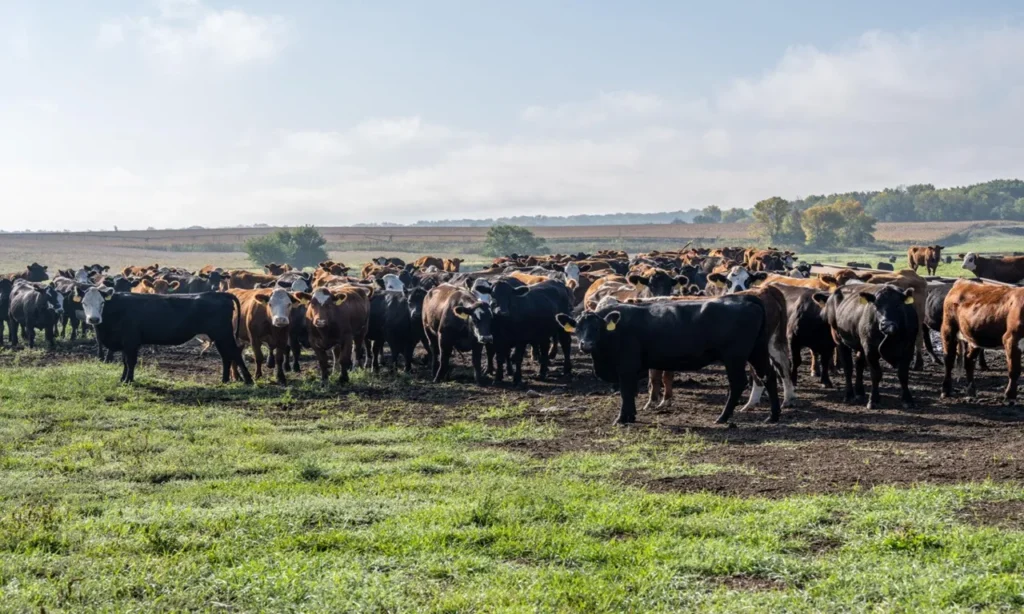
Agricultural insurance continues evolving through artificial intelligence, satellite monitoring, wearable animal technology, predictive analytics, blockchain documentation, and automated claims processing. Livestock insurance coverage providers increasingly use these innovations to improve underwriting accuracy, customize policies, reduce fraud, and accelerate settlements. Farmers adopting advanced technologies may benefit from improved herd management, stronger insurance protection, and more competitive premiums. Technology-driven insurance solutions continue reshaping risk management throughout modern livestock production systems worldwide.
Building Long Term Success With Comprehensive Livestock Insurance Coverage
Long-term agricultural success depends on protecting valuable livestock against unpredictable financial risks. Livestock insurance coverage provides stability by reducing losses from covered accidents, disasters, theft, and mortality events. Farmers who combine comprehensive insurance with excellent herd management, preventive healthcare, annual policy reviews, and professional guidance create stronger businesses prepared for future challenges. Investing in dependable insurance today strengthens profitability, protects valuable breeding programs, and supports sustainable livestock production for future generations.
Why Every Modern Farm Needs Livestock Insurance Coverage Today
Modern farming involves significant financial investment, making insurance an essential business tool rather than an optional expense. Livestock insurance coverage protects producers against unexpected losses while preserving cash flow and operational stability. Comprehensive policies provide confidence during uncertain conditions, allowing farmers to focus on herd management instead of financial risks. Selecting customized insurance tailored to specific livestock operations strengthens long-term business resilience and protects valuable agricultural assets from covered events beyond the producer’s control.
Protecting Agricultural Investments Through Reliable Livestock Insurance Coverage Always
Every successful livestock operation depends on protecting animals that generate income and sustain business growth. Livestock insurance coverage provides dependable financial protection against covered risks while supporting long-term profitability and operational continuity. Farmers who invest in comprehensive insurance, maintain accurate documentation, review policies annually, and implement strong herd management practices reduce financial uncertainty significantly. Reliable insurance allows producers to confidently expand operations, protect valuable livestock investments, and secure a stronger future for their agricultural business.
Frequently Asked Questions
What does Livestock insurance coverage protect?
It protects insured animals against covered risks such as fire, theft, accidents, transportation losses, and certain natural disasters.
Does Livestock insurance coverage include disease protection?
Some policies do, but disease coverage often requires additional endorsements and varies by insurer.
Can breeding animals be insured separately?
Yes. High-value breeding livestock usually qualify for specialized insurance coverage.
How are livestock insurance premiums calculated?
Premiums depend on animal type, value, age, herd size, location, health, and selected coverage options.
Should I review my Livestock insurance coverage every year?
Yes. Annual reviews ensure coverage matches current livestock values and farming operations.
Is Livestock insurance coverage worth the investment?
Yes. It helps reduce financial losses and supports business continuity after covered events.
Conclusion
Livestock insurance coverage is one of the smartest investments any livestock producer can make to protect valuable animals and maintain long-term financial stability. Comprehensive insurance safeguards herds against unexpected risks such as theft, accidents, natural disasters, transportation losses, and other covered events that could significantly impact farm profitability. Selecting the right policy, maintaining accurate livestock records, reviewing coverage annually, and implementing strong herd management practices improve both financial security and insurance protection. Every farming operation has unique risks, making customized insurance solutions essential. Investing in dependable Livestock insurance coverage today protects valuable agricultural assets, strengthens business continuity, reduces financial uncertainty, and helps farmers confidently build a more secure and successful future.