
Introduction
Fine art insurance policies provide specialized financial protection for valuable paintings, sculptures, antiques, rare collectibles, photographs, and other artistic assets against theft, accidental damage, fire, vandalism, and natural disasters. Whether you are a private collector, investor, museum owner, or professional artist, protecting valuable artwork is essential for preserving both financial and cultural investments. Standard homeowners insurance often provides limited coverage for fine art, making specialized insurance an important consideration. Understanding fine art insurance policies helps collectors compare coverage options, valuation methods, policy limits, exclusions, and insurer expertise while ensuring priceless collections remain financially protected for generations.
Understanding Fine Art Insurance Policies Coverage Benefits Clearly
Fine art insurance policies provide comprehensive protection for valuable artwork against risks including theft, accidental damage, fire, water damage, vandalism, transportation accidents, and certain natural disasters. Unlike standard homeowners insurance, specialized fine art coverage reflects the unique value of paintings, sculptures, antiques, rare collectibles, and historical artifacts. Policyholders receive financial reimbursement based on agreed valuation methods when covered losses occur. Understanding these benefits helps collectors compare insurance providers carefully while protecting valuable artistic investments and preserving long-term financial security.
Why Fine Art Insurance Policies Matter For Collectors Today
Collectors invest significant financial and emotional resources into artwork, making fine art insurance policies essential for protecting valuable collections. Unexpected accidents, theft, environmental damage, or transportation incidents can result in substantial financial losses without specialized insurance coverage. Proper insurance ensures collectors recover financially while preserving their ability to repair, restore, or replace valuable pieces. Understanding the importance of fine art insurance encourages responsible collection management while safeguarding long-term investment value and cultural heritage.
How Fine Art Insurance Policies Actually Work Today
Most fine art insurance policies protect artwork according to agreed coverage terms established during policy enrollment. Insurers evaluate collection value through professional appraisals, purchase documentation, market trends, and artwork condition before determining coverage limits and premiums. If covered damage or loss occurs, policyholders submit claims supported by required documentation. Understanding how fine art insurance functions enables collectors to compare policies confidently while selecting comprehensive protection tailored to their unique collections and financial objectives.
Comparing Scheduled And Blanket Art Insurance Coverage Options
Collectors purchasing fine art insurance policies often compare scheduled coverage with blanket coverage before selecting protection. Scheduled policies insure individual artworks based on specific appraised values, while blanket policies provide combined coverage for entire collections under one overall policy limit. Each option offers different advantages depending on collection size and value. Understanding these coverage methods helps collectors choose insurance solutions that balance flexibility, protection, and affordability while safeguarding valuable artistic assets.
Choosing Appropriate Coverage Limits For Valuable Collections Carefully
Selecting suitable coverage amounts remains one of the most important decisions when purchasing fine art insurance policies. Coverage limits should reflect current market values, professional appraisals, restoration expenses, transportation risks, and future appreciation potential. Insufficient insurance may leave collectors responsible for significant financial losses after covered incidents. Understanding proper valuation methods helps policyholders secure adequate financial protection while preserving long-term investment value and minimizing uninsured risks throughout their collections.
Professional Artwork Appraisals Supporting Insurance Coverage Decisions
Professional appraisals play a critical role in fine art insurance policies by establishing accurate market values for insured artwork. Certified appraisers evaluate artist reputation, authenticity, historical significance, condition, rarity, and recent market sales before assigning insured values. Updated appraisals ensure policies reflect current market conditions and appreciation over time. Understanding appraisal requirements helps collectors maintain accurate insurance coverage while improving claim settlements and protecting valuable investments against financial loss.
Common Risks Covered Under Fine Art Insurance Policies Today
Most fine art insurance policies protect collections against numerous covered risks including theft, accidental breakage, fire, smoke damage, water damage, vandalism, transportation accidents, and certain weather-related events. Some policies also include restoration expenses when damaged artwork can be professionally repaired. Coverage varies between insurers, making policy comparisons essential before enrollment. Understanding covered risks enables collectors to select comprehensive insurance that protects valuable artwork from multiple financial threats.
Factors Affecting Fine Art Insurance Premium Costs Significantly
Several important variables influence premiums for fine art insurance policies, including collection value, artwork type, storage conditions, security systems, geographic location, transportation frequency, prior claims history, and environmental protection measures. High-value collections generally require larger premiums due to increased financial exposure. Understanding premium calculation factors encourages collectors to improve security while comparing insurers carefully to maximize affordable long-term protection for valuable artistic investments.
Proper Artwork Storage Reducing Insurance Risk Successfully Today
Safe storage practices strengthen protection under fine art insurance policies while reducing the likelihood of preventable damage. Climate-controlled environments, humidity regulation, secure display systems, UV protection, professional framing, and monitored security systems all contribute to artwork preservation. Insurance companies often consider storage quality during underwriting decisions. Understanding proper storage recommendations helps collectors maintain artwork condition while improving eligibility for competitive insurance premiums and dependable long-term financial protection.
Artwork Transportation Insurance Protection During Collection Movement Carefully
Transporting valuable artwork creates additional risks, making transportation coverage an important feature within fine art insurance policies. Whether artwork moves between galleries, museums, exhibitions, auctions, or private residences, specialized insurance protects against accidental damage, theft, and handling incidents during transit. Professional art shipping companies often follow strict packaging standards that reduce transportation risks. Understanding transit coverage helps collectors protect valuable investments whenever artwork changes locations.
Comparing Homeowners Insurance With Specialized Fine Art Coverage
Standard homeowners insurance generally provides limited protection for valuable artwork, making fine art insurance policies a more comprehensive solution for collectors. Homeowners policies often impose lower coverage limits and exclude specialized restoration costs or market appreciation. Fine art insurance offers customized valuation methods and broader protection specifically designed for artistic assets. Understanding these differences helps collectors avoid coverage gaps while protecting valuable collections against significant financial loss.
Choosing Reliable Fine Art Insurance Companies With Confidence Today
Selecting reputable providers remains essential when purchasing fine art insurance policies. Consumers should compare insurer financial strength, claims handling experience, customer satisfaction, appraisal requirements, restoration partnerships, and industry reputation before choosing coverage. Specialized insurers with experience protecting artwork often deliver superior claims service and valuation expertise. Understanding insurer qualifications helps collectors secure dependable long-term protection while preserving valuable artistic investments for future generations.
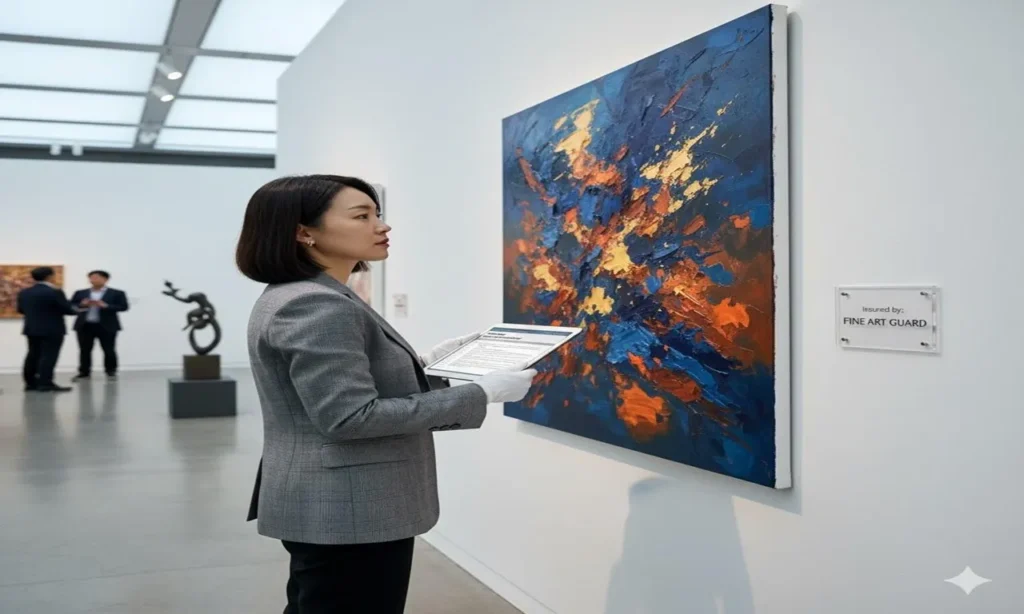
Documenting Artwork Before Purchasing Insurance Protection Properly
Proper documentation strengthens fine art insurance policies by providing essential evidence supporting ownership, authenticity, condition, and value. Collectors should maintain purchase receipts, appraisal reports, certificates of authenticity, detailed photographs, artist documentation, and restoration records for every insured piece. Organized documentation simplifies future claims while improving settlement accuracy after covered losses. Understanding documentation requirements helps policyholders protect collections more effectively while reducing administrative complications during insurance claims.
Understanding Restoration Coverage Within Fine Art Insurance Policies Carefully
Many fine art insurance policies include restoration benefits when damaged artwork can be professionally repaired rather than replaced. Restoration specialists work to preserve artistic integrity while returning valuable pieces to their original condition whenever possible. Insurance may cover restoration costs, transportation to restoration facilities, and professional conservation services depending on policy terms. Understanding restoration benefits allows collectors to compare insurance options more effectively while protecting irreplaceable cultural and financial assets.
Avoiding Common Fine Art Insurance Purchasing Mistakes Successfully Today
Many collectors purchasing fine art insurance policies focus only on premium costs while overlooking appraisal updates, valuation methods, transportation coverage, restoration benefits, insurer expertise, and policy exclusions. These oversights may reduce financial protection after covered losses occur. Comparing complete policy features instead of price alone helps collectors secure stronger insurance protection. Understanding common purchasing mistakes supports informed decisions while preserving valuable artwork, financial investments, and long-term collection security.
Understanding Agreed Value Versus Market Value Coverage Carefully
Collectors comparing fine art insurance policies should understand the difference between agreed value and market value coverage. Agreed value policies pay the predetermined insured amount if a total covered loss occurs, while market value policies reimburse according to the artwork’s value at the time of the claim. Because art values fluctuate significantly, selecting the appropriate valuation method is essential. Understanding these options helps collectors choose insurance coverage that protects financial investments while minimizing potential claim disputes and unexpected reimbursement differences.
Protecting Private Art Collections With Specialized Insurance Coverage
Private collectors rely on fine art insurance policies to safeguard valuable paintings, sculptures, rare manuscripts, antiques, and historical artifacts from unexpected financial loss. Specialized insurance protects collections stored in homes, private galleries, or secure storage facilities against theft, accidental damage, fire, and natural disasters. Comprehensive coverage preserves both financial investments and sentimental value. Understanding collection-specific insurance options helps owners maintain confidence while protecting artwork accumulated over many years of careful collecting.
Insurance Protection For Museums Galleries And Art Exhibitions
Museums, galleries, and exhibition organizers frequently depend on fine art insurance policies to protect valuable artwork displayed for public viewing. Coverage typically extends to exhibition risks, transportation, temporary storage, installation, accidental damage, and visitor-related incidents. Specialized insurance allows institutions to exhibit valuable collections with reduced financial exposure. Understanding exhibition coverage enables organizations to protect priceless cultural assets while supporting educational programs and public appreciation of fine art.
International Artwork Shipping Insurance Coverage Explained Clearly
International transportation introduces additional risks that require specialized fine art insurance policies. Artwork shipped between countries may encounter customs delays, climate variations, accidental handling damage, theft, or transportation accidents. Comprehensive transit insurance protects valuable collections throughout global shipping journeys while ensuring financial reimbursement after covered losses. Understanding international shipping coverage helps collectors confidently buy, sell, and exhibit artwork across international markets without exposing valuable investments to unnecessary financial risks.
Climate Control Importance For Artwork Preservation And Insurance
Proper environmental management plays a significant role in maintaining eligibility for fine art insurance policies. Paintings, sculptures, antique furniture, photographs, and historical documents require stable temperature, humidity control, and protection from excessive sunlight to prevent deterioration. Insurance companies often recommend professional storage conditions to minimize preventable losses. Understanding climate control requirements helps collectors preserve artwork quality while reducing insurance risks and maintaining long-term collection value for future generations.
Security Systems Reducing Fine Art Insurance Premium Costs Successfully
Installing professional security measures can positively influence premiums for fine art insurance policies. Monitored alarm systems, surveillance cameras, motion detectors, secure display cases, reinforced entry points, and fire suppression systems reduce theft and damage risks. Insurance providers frequently reward enhanced security with improved underwriting terms or premium discounts. Understanding recommended security practices helps collectors protect valuable artwork while maximizing insurance affordability and reducing potential financial exposure throughout ownership.
Artwork Authentication Supporting Insurance Claim Accuracy Successfully
Authenticity documentation strengthens fine art insurance policies by confirming ownership and verifying artwork legitimacy before coverage begins. Certificates of authenticity, artist records, provenance documentation, auction histories, and expert evaluations support accurate valuations during underwriting and future claims. Comprehensive authentication minimizes disputes while improving claim settlements after covered losses. Understanding authentication requirements helps collectors preserve collection integrity while protecting valuable investments with stronger insurance documentation and professional verification.
Fine Art Insurance Policies For Professional Artists Explained
Professional artists also benefit from fine art insurance policies by protecting completed works, commissioned artwork, studio collections, and exhibition pieces against accidental loss or damage. Insurance coverage supports creative professionals by reducing financial risks associated with transportation, gallery exhibitions, client deliveries, and studio operations. Understanding artist-specific insurance solutions helps creators safeguard valuable work while maintaining financial stability throughout their artistic careers and business growth.
Comparing Deductibles Before Purchasing Fine Art Insurance Coverage
Deductibles directly influence the cost and value of fine art insurance policies. Lower deductibles generally increase premium costs but reduce out-of-pocket expenses during claims. Higher deductibles often lower premiums while requiring greater financial responsibility following covered losses. Comparing deductible options carefully allows collectors to balance affordability with practical financial protection. Understanding deductible structures helps policyholders choose insurance plans that align with both collection value and personal financial planning objectives.
Digital Inventory Management For Valuable Art Collections Successfully
Maintaining detailed digital inventories strengthens fine art insurance policies by simplifying documentation and future claims. Collectors should store high-quality photographs, appraisal reports, purchase receipts, authenticity certificates, restoration records, and serial numbers in secure digital archives. Updated inventories improve ownership verification while accelerating claim settlements after covered losses. Understanding inventory management practices helps policyholders preserve accurate collection records while enhancing long-term insurance protection and administrative efficiency.
Reviewing Artwork Values Through Regular Professional Appraisals Frequently
Artwork values often change because of market demand, artist popularity, historical significance, and auction results, making regular reviews essential for fine art insurance policies. Updating professional appraisals every few years ensures coverage reflects current replacement values rather than outdated estimates. Accurate valuations reduce underinsurance while improving future claim settlements. Understanding the importance of periodic appraisals helps collectors maintain comprehensive financial protection as collection values continue evolving over time.
Technology Improving Modern Fine Art Insurance Services Today
Technology continues transforming fine art insurance policies through digital appraisals, online policy management, secure cloud documentation, electronic claims processing, artificial intelligence valuation tools, and advanced collection databases. These innovations simplify insurance administration while improving underwriting accuracy and customer service experiences. Understanding technological advancements allows collectors to manage policies more efficiently while benefiting from faster claims, better recordkeeping, and stronger protection for valuable artistic investments.
Future Trends Transforming Fine Art Insurance Industry Solutions
The future of fine art insurance policies continues evolving through blockchain provenance tracking, artificial intelligence authentication, predictive risk analysis, digital collection management, and advanced conservation technologies. Insurance providers increasingly adopt innovative solutions that improve valuation accuracy and reduce fraud. Understanding these emerging developments helps collectors prepare for enhanced insurance services while maximizing long-term protection, collection transparency, and financial security in the evolving global art market.
Choosing Financially Stable Fine Art Insurance Providers Carefully
Financial strength remains a critical consideration when selecting providers offering fine art insurance policies. Collectors should evaluate insurer financial ratings, claims payment history, restoration partnerships, customer satisfaction, underwriting expertise, and years of experience within the fine art industry. Financially secure companies consistently fulfill policy obligations while providing dependable claims support. Understanding insurer stability strengthens buyer confidence while ensuring valuable collections remain properly protected during unexpected losses.
Managing Collection Risks Through Comprehensive Insurance Planning Strategies
Effective collection management includes fine art insurance policies alongside professional security, climate control, routine appraisals, authentication records, and careful transportation planning. Combining these protective measures minimizes financial exposure while preserving artistic and historical value. Comprehensive planning also improves insurance eligibility and claims outcomes. Understanding integrated risk management strategies helps collectors safeguard investments while maintaining collection quality, financial stability, and long-term preservation for future generations.
Reviewing Fine Art Insurance Policies After New Purchases Regularly
Collectors should review fine art insurance policies whenever acquiring new artwork or selling existing pieces. Newly purchased items may require immediate appraisal updates and additional policy endorsements to maintain complete protection. Failing to update coverage may leave valuable acquisitions underinsured. Understanding the importance of regular policy reviews helps collectors maintain accurate insurance protection while ensuring every artwork receives appropriate financial coverage throughout changing collection portfolios.
Avoiding Common Fine Art Insurance Buying Mistakes Successfully Today
Many collectors purchase fine art insurance policies without updating appraisals, documenting provenance, reviewing exclusions, comparing valuation methods, or evaluating insurer specialization. These mistakes may reduce financial protection during future claims. Comparing complete policy provisions instead of focusing only on premiums results in stronger insurance decisions. Understanding common purchasing errors helps collectors maximize long-term protection while preserving valuable artistic assets, financial investments, and historical collections with greater confidence.
Preparing Essential Documents Before Insurance Claim Submission Carefully
Successful claims under fine art insurance policies depend on organized documentation including appraisal reports, authenticity certificates, purchase receipts, restoration records, detailed photographs, police reports when applicable, and insurance policy documents. Maintaining accurate records simplifies ownership verification while reducing claim processing delays. Understanding documentation requirements helps collectors prepare for unexpected losses while ensuring faster reimbursement and smoother communication with insurance providers throughout the claims process.
Building Long-Term Collection Security Through Insurance Planning Successfully
Reliable fine art insurance policies protect collectors from financial loss while preserving artwork, historical artifacts, rare collectibles, and valuable investments for future generations. Comprehensive insurance planning supports responsible ownership by combining accurate valuations, professional storage, secure transportation, and periodic policy reviews. Understanding insurance as part of long-term collection management strengthens financial confidence while ensuring artistic treasures remain protected against unexpected risks throughout their lifetime.
Choosing Fine Art Insurance Policies With Complete Confidence Always
Selecting the right fine art insurance policies requires comparing valuation methods, coverage limits, deductibles, restoration benefits, transportation protection, insurer reputation, financial strength, and policy flexibility carefully. Collectors who research multiple insurance providers generally secure stronger financial protection while preserving valuable artistic investments. Thoughtful insurance planning safeguards cultural treasures, minimizes financial uncertainty, and provides lasting peace of mind whenever unexpected damage, theft, or loss threatens treasured collections.
Understanding Worldwide Coverage Under Fine Art Insurance Policies Carefully
Many fine art insurance policies provide worldwide protection for insured artwork while it remains in private residences, galleries, museums, exhibitions, storage facilities, or during approved transportation. International coverage protects valuable collections against theft, accidental damage, and other covered risks regardless of location, subject to policy conditions. Understanding worldwide coverage allows collectors to lend, exhibit, or relocate artwork confidently. Comparing international protection options helps policyholders secure comprehensive insurance that safeguards valuable artistic investments across multiple countries and changing environments.
Comparing Private Collectors And Commercial Gallery Insurance Needs
Private collectors and commercial galleries require different fine art insurance policies because their risks and operational responsibilities vary significantly. Private collections focus primarily on protecting personal investments, while galleries require additional coverage for exhibitions, customer visits, consigned artwork, transportation, and business operations. Understanding these differences helps collectors and gallery owners select insurance tailored to their specific circumstances. Proper policy selection strengthens financial protection while preserving valuable artwork under both personal and commercial ownership.
Managing Fine Art Investments Through Comprehensive Insurance Planning
Many collectors view artwork as long-term financial investments, making fine art insurance policies an essential component of investment management. Insurance protects collections from unexpected losses while preserving appreciation potential and reducing financial exposure. Combining insurance with professional appraisals, secure storage, conservation practices, and accurate documentation strengthens long-term investment performance. Understanding insurance as part of overall investment planning helps collectors safeguard valuable assets while maintaining confidence in their growing art portfolios.
Benefits Of Regular Conservation For Insured Artwork Collections
Professional conservation supports both artwork preservation and fine art insurance policies by maintaining the condition and value of valuable collections. Regular inspections identify deterioration, environmental damage, and restoration needs before serious problems develop. Insurance companies often recognize proper conservation efforts as responsible collection management. Understanding conservation practices helps collectors preserve artistic integrity while improving long-term collection value, supporting accurate appraisals, and reducing preventable insurance claims throughout ownership.

Reviewing Insurance Policies Before Buying Expensive Artwork Carefully
Before purchasing high-value artwork, collectors should review existing fine art insurance policies to confirm sufficient coverage limits and valuation methods. Newly acquired pieces may require updated appraisals, policy endorsements, or increased coverage amounts immediately after purchase. Reviewing insurance beforehand prevents temporary coverage gaps while protecting valuable investments from the first day of ownership. Understanding policy review procedures helps collectors maintain complete financial protection as collections continue expanding.
Technology Advancing Fine Art Protection And Claims Management Efficiently
Modern technology continues enhancing fine art insurance policies through digital inventory systems, blockchain ownership records, artificial intelligence valuation tools, electronic policy management, and faster online claims processing. These innovations improve documentation accuracy, simplify insurance administration, and reduce settlement delays after covered losses. Understanding technological advancements allows collectors to manage valuable collections more efficiently while strengthening long-term protection and improving communication with insurance providers throughout the policy lifecycle.
Future Innovations Expanding Fine Art Insurance Coverage Opportunities
The future of fine art insurance policies continues evolving through predictive analytics, digital provenance tracking, advanced restoration technologies, artificial intelligence authentication, and personalized underwriting solutions. These developments improve valuation accuracy while reducing fraud and enhancing customer experiences. Collectors who understand emerging insurance innovations can better prepare for changing market conditions while maximizing long-term financial protection for valuable artistic collections and cultural investments across future generations.
Building Generational Wealth Through Protected Art Collections Successfully
Comprehensive fine art insurance policies help preserve generational wealth by protecting valuable artwork from financial loss caused by theft, accidental damage, natural disasters, or transportation incidents. Insurance allows families to preserve collections without risking significant financial setbacks. Combined with proper estate planning, appraisals, and conservation, insurance strengthens long-term wealth preservation strategies. Understanding artwork as a valuable financial asset encourages responsible collection management while protecting cultural and economic value for future generations.
Avoiding Common Fine Art Insurance Buying Mistakes Completely Today
Many collectors purchasing fine art insurance policies underestimate collection values, neglect appraisal updates, ignore transportation coverage, overlook restoration benefits, or choose insurers lacking specialized art experience. These common mistakes may reduce claim settlements and create unnecessary financial losses after covered events. Comparing comprehensive policy features instead of focusing solely on premium costs results in stronger insurance decisions. Understanding these purchasing errors helps collectors secure dependable protection while preserving valuable artistic investments with greater confidence.
Choosing Fine Art Insurance Policies With Complete Confidence Always
Selecting the right fine art insurance policies requires comparing valuation methods, coverage limits, deductibles, transportation protection, restoration services, worldwide coverage, insurer reputation, and financial strength carefully. Collectors who evaluate multiple specialized insurance providers generally obtain stronger financial protection while preserving priceless artistic investments. Thoughtful insurance planning safeguards paintings, sculptures, antiques, and rare collectibles against unexpected risks while providing lasting confidence, financial security, and peace of mind throughout every stage of collection ownership.
FAQs
What are fine art insurance policies?
Fine art insurance policies provide specialized coverage for valuable artwork, antiques, sculptures, photographs, and collectibles against theft, damage, and other covered risks.
Does homeowners insurance fully cover fine art?
Usually not. Standard homeowners insurance often provides limited coverage, making specialized fine art insurance a better option.
Do I need professional appraisals for artwork?
Yes. Professional appraisals help determine accurate market value and ensure appropriate insurance coverage.
Does fine art insurance cover transportation?
Many policies provide transportation coverage for artwork being shipped, exhibited, or relocated, depending on policy terms.
Can artwork appreciation increase insurance coverage?
Yes. Updated appraisals help adjust coverage as artwork increases in market value over time.
Who should purchase fine art insurance?
Private collectors, artists, museums, galleries, investors, and anyone owning valuable artwork should consider specialized coverage.
Why should I compare fine art insurance policies?
Comparing policies helps you find better coverage, stronger valuation methods, competitive premiums, and experienced insurance providers.
Conclusion
Fine art insurance policies provide essential financial protection for valuable paintings, sculptures, antiques, photographs, and collectible artwork against theft, accidental damage, transportation risks, and natural disasters. By comparing coverage limits, valuation methods, restoration benefits, worldwide protection, insurer expertise, and premium costs, collectors can secure insurance that protects both financial investments and cultural treasures. Regular appraisals, professional conservation, secure storage, and accurate documentation further strengthen long-term protection. Careful insurance planning ensures valuable collections remain protected for future generations while providing lasting confidence, financial stability, and peace of mind whenever unexpected events threaten priceless artistic assets.