
Introduction
Farm vehicle insurance is essential for protecting tractors, pickup trucks, utility vehicles, trailers, harvesters, and other equipment used in agricultural operations. Have you considered whether your current insurance policy truly covers every vehicle used on your farm? Many farmers mistakenly assume personal auto insurance provides complete protection, only to discover costly coverage gaps after an accident. Farm vehicles face unique risks, including equipment collisions, livestock transportation, weather damage, theft, and liability claims. Choosing the right farm vehicle insurance policy safeguards your financial investment, ensures business continuity, and provides peace of mind. This comprehensive guide explains everything you need to know before selecting the best farm vehicle insurance coverage.
Understanding Farm Vehicle Insurance And Coverage Options Available
Farm vehicle insurance protects vehicles used for agricultural purposes against accidents, theft, vandalism, fire, weather damage, and liability claims. Unlike personal auto insurance, it considers farming operations and specialized equipment usage. Coverage may include tractors, combines, pickups, trailers, utility vehicles, and other machinery operating on farms. Understanding available policy options allows farmers to choose comprehensive protection that matches daily operations while reducing financial losses from unexpected accidents or equipment damage affecting productivity and business continuity.
Why Farm Vehicle Insurance Protects Agricultural Business Investments Better
Agricultural vehicles represent substantial financial investments that support daily farm operations. Farm vehicle insurance helps protect these valuable assets from costly repairs, replacement expenses, liability lawsuits, and unexpected disasters. Without proper insurance, a single accident may interrupt harvesting, transportation, or livestock management while creating significant financial hardship. Comprehensive protection allows farmers to continue operations with confidence, knowing essential vehicles remain covered against many common risks associated with agricultural work and rural transportation.
Types Of Farm Vehicles Covered Under Insurance Policies Today
Farm vehicle insurance commonly covers tractors, combines, pickup trucks, grain trucks, trailers, all-terrain vehicles, utility task vehicles, sprayers, loaders, forage harvesters, and specialized agricultural equipment. Coverage depends on vehicle ownership, usage, and policy conditions. Some insurers also provide protection for leased equipment and seasonal machinery. Understanding which vehicles qualify helps farm owners avoid coverage gaps while ensuring every important machine receives financial protection appropriate for its value and operational purpose throughout the farming year.
Key Differences Between Farm And Personal Auto Insurance Policies
Personal automobile insurance mainly protects vehicles used for everyday transportation, while farm vehicle insurance covers vehicles operating within agricultural businesses. Farm policies recognize unique risks involving equipment transportation, field operations, livestock hauling, and seasonal agricultural work. Coverage limits, liability protection, and endorsements differ significantly between policy types. Farmers relying solely on personal auto insurance may discover important exclusions after accidents. Specialized farm insurance provides broader protection designed specifically for agricultural activities and rural business operations.
Liability Protection Included Within Farm Vehicle Insurance Coverage Plans
Liability protection covers bodily injury, property damage, legal defense costs, settlements, and court judgments resulting from covered vehicle accidents. Farm vehicle insurance is especially important because agricultural vehicles frequently travel on public roads while transporting equipment, crops, or livestock. Serious accidents may create substantial financial liability. Adequate liability limits help protect personal assets and farming businesses from expensive lawsuits while ensuring injured third parties receive appropriate compensation following covered incidents involving insured farm vehicles.
Physical Damage Coverage For Farm Vehicles And Equipment Protection
Physical damage coverage helps pay for repairing or replacing insured farm vehicles after collisions, fire, vandalism, theft, falling objects, storms, or other covered events. Farm vehicle insurance often includes collision and comprehensive protection depending on selected policy options. High-value tractors, combines, and harvest equipment can be extremely expensive to replace without insurance. Comprehensive protection allows farmers to recover more quickly following major losses while minimizing disruptions to daily agricultural operations and seasonal production schedules.
Weather Related Risks Affecting Farm Vehicle Insurance Claims Frequently
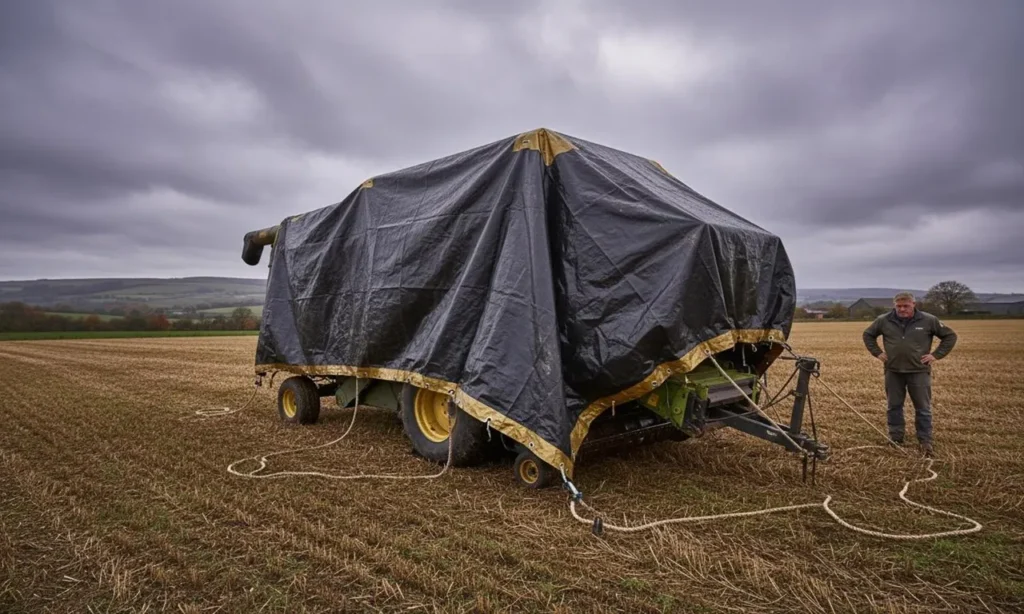
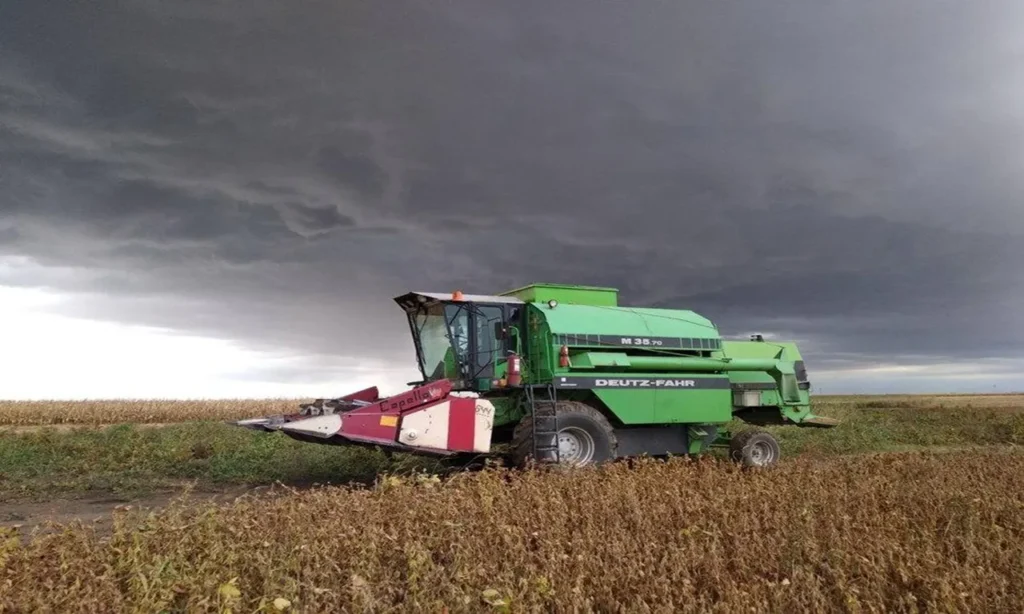
Farm vehicles regularly face severe weather including hailstorms, flooding, tornadoes, hurricanes, heavy snowfall, lightning, and high winds. Farm vehicle insurance helps reduce financial losses caused by many weather-related events covered under policy terms. Farmers should understand deductibles, exclusions, and optional endorsements before disasters occur. Proper vehicle storage, preventive maintenance, and weather monitoring also reduce claim frequency. Combining proactive risk management with comprehensive insurance strengthens long-term protection for valuable agricultural equipment and transportation vehicles.
Theft Protection Benefits For Valuable Agricultural Vehicles And Machinery
Agricultural machinery often becomes a target for theft because of its high market value and remote storage locations. Farm vehicle insurance provides financial protection when insured vehicles are stolen or damaged during attempted theft. Installing GPS tracking devices, security cameras, locked storage facilities, and immobilization systems reduces theft risks while potentially lowering insurance premiums. Strong preventive measures combined with comprehensive coverage protect expensive agricultural investments and help farmers recover quickly following criminal activity or equipment loss.
Collision Coverage Importance For Farm Vehicle Insurance Policies Explained
Collision coverage pays for repairing insured farm vehicles damaged during accidents regardless of fault, subject to policy terms and deductibles. Tractors, grain trucks, pickups, and trailers frequently operate on rough terrain, narrow roads, and busy highways where collision risks remain significant. Farm vehicle insurance with collision protection reduces unexpected repair costs while supporting faster operational recovery. Farmers relying on expensive equipment benefit from financial assistance that minimizes downtime following covered vehicle accidents during agricultural activities.
Comprehensive Coverage Protecting Farm Vehicles Beyond Road Accidents Successfully
Comprehensive coverage protects farm vehicles from non-collision losses including fire, theft, vandalism, falling trees, severe weather, animal collisions, and certain natural disasters. Farm vehicle insurance combines comprehensive protection with liability and collision coverage for broader financial security. Agricultural equipment often remains outdoors where environmental hazards increase exposure to unexpected damage. Selecting comprehensive protection ensures valuable machinery receives extensive coverage while reducing financial stress associated with unpredictable losses unrelated to traffic accidents.
Understanding Farm Vehicle Insurance Deductibles Before Purchasing Coverage Carefully
A deductible represents the amount farmers pay before insurance begins covering approved claim expenses. Farm vehicle insurance policies offer different deductible options affecting both premium costs and claim payments. Higher deductibles generally lower annual premiums but increase out-of-pocket expenses following accidents. Lower deductibles reduce immediate financial burdens during claims but increase yearly insurance costs. Choosing balanced deductibles requires evaluating equipment values, financial reserves, operational risks, and long-term affordability before purchasing insurance protection.
Factors Influencing Farm Vehicle Insurance Premium Costs Significantly Today
Insurance companies evaluate multiple factors when determining farm vehicle insurance premiums. Vehicle type, age, replacement value, usage frequency, driver experience, claims history, geographic location, security measures, and annual mileage all influence pricing. Larger farms operating numerous vehicles generally require broader coverage and higher premiums. Farmers who maintain safe driving records, install security devices, and perform regular maintenance often qualify for premium discounts while improving long-term insurance affordability and operational safety.
How Farm Vehicle Insurance Supports Daily Farming Operations Continuously
Reliable transportation remains essential for planting, harvesting, livestock management, equipment movement, and product delivery. Farm vehicle insurance ensures unexpected accidents or equipment damage do not permanently interrupt agricultural productivity. Financial protection allows farmers to repair or replace damaged vehicles more quickly, minimizing downtime during critical growing seasons. Maintaining comprehensive insurance strengthens business continuity, protects income, and supports efficient farm management while reducing uncertainty associated with expensive vehicle repairs and liability claims.
Choosing Reliable Farm Vehicle Insurance Providers For Better Protection
Selecting the right insurer requires comparing coverage options, financial strength, customer satisfaction, claims handling, agricultural expertise, endorsements, and premium costs. Farm vehicle insurance providers specializing in agricultural operations better understand the challenges farmers face. Reading policy documents carefully helps identify exclusions, coverage limits, and optional protections before purchasing insurance. Working with experienced agricultural insurance professionals improves policy customization while ensuring valuable farm vehicles receive comprehensive protection suited to unique operational needs.
Essential Documents Required For Farm Vehicle Insurance Applications Successfully
Insurance companies require important documentation before issuing farm vehicle insurance policies. Common requirements include vehicle registration, ownership records, driver’s licenses, maintenance history, equipment identification numbers, estimated replacement values, and details regarding farming operations. Providing accurate information speeds application approval while reducing future claim disputes. Maintaining organized records also simplifies policy renewals and claim processing. Proper documentation demonstrates responsible ownership and helps insurers accurately evaluate agricultural risks before determining coverage eligibility and premium pricing.
Comparing Farm Vehicle Insurance Policies Before Making Final Decisions Carefully
Comparing multiple farm vehicle insurance policies helps farmers identify the best balance between coverage, affordability, and long-term protection. Policies differ in liability limits, deductibles, endorsements, exclusions, claims service, and premium costs. Choosing insurance based only on the lowest price may leave valuable equipment underinsured. Reviewing policy details carefully ensures tractors, trailers, utility vehicles, and farm trucks receive proper protection. Comparing reputable insurers also improves claim experiences while providing greater financial confidence throughout changing agricultural conditions.
Customizing Farm Vehicle Insurance Coverage For Individual Farming Operations Successfully
Every farming operation is unique, requiring insurance coverage tailored to specific equipment, vehicles, crops, and daily activities. Farm vehicle insurance allows policyholders to customize protection through endorsements covering specialized machinery, trailers, livestock transportation, and commercial activities. Personalized coverage eliminates unnecessary expenses while ensuring critical assets remain fully protected. Reviewing operational changes annually with an experienced insurance advisor helps maintain accurate protection. Customized policies provide stronger financial security and reduce costly coverage gaps during unexpected losses.
Coverage Options For Transporting Livestock Safely Across Rural Areas
Transporting livestock involves unique risks that standard vehicle insurance may not adequately address. Farm vehicle insurance can include specialized coverage for trailers, livestock transportation equipment, and liability associated with transporting animals. Accidents during transportation may result in vehicle damage, animal injuries, or third-party liability claims. Proper insurance minimizes financial losses while protecting farming operations. Farmers transporting livestock regularly should verify policy limits and endorsements to ensure comprehensive protection during every trip.
Protecting Farm Trailers Through Comprehensive Insurance Coverage Solutions Available
Farm trailers transport crops, machinery, livestock, and essential supplies throughout the year. Damage caused by collisions, theft, severe weather, or vandalism can disrupt farming operations significantly. Farm vehicle insurance provides financial protection for insured trailers while reducing repair and replacement expenses. Farmers should verify whether trailers require separate coverage or qualify under existing policies. Proper trailer protection ensures valuable transportation equipment remains available during planting, harvesting, and livestock management activities.
Farm Vehicle Insurance Requirements For Commercial Agricultural Business Activities
Agricultural businesses operating vehicles commercially often require broader insurance than hobby farms or personal property owners. Farm vehicle insurance for commercial operations may include higher liability limits, employee driver protection, cargo coverage, and specialized endorsements. Insurance companies evaluate business size, annual revenue, fleet operations, and transportation activities before determining coverage requirements. Maintaining appropriate commercial protection safeguards both business assets and financial stability while ensuring compliance with applicable insurance obligations.
Seasonal Farm Vehicle Usage And Insurance Policy Considerations Explained
Many agricultural vehicles operate only during planting or harvesting seasons. Farm vehicle insurance should reflect seasonal usage patterns without sacrificing essential protection during inactive months. Some insurers offer flexible coverage options that accommodate seasonal equipment while maintaining year-round protection against theft, fire, vandalism, and weather damage. Discussing seasonal operations with an experienced insurance professional ensures policies remain cost-effective while providing continuous financial security whenever equipment is stored or actively used.
Benefits Of Bundling Farm Vehicle Insurance With Other Farm Policies
Bundling farm vehicle insurance with farm property, liability, crop, or equipment insurance often provides financial advantages and simplifies policy management. Many insurance providers reward bundled policies through premium discounts, unified claims handling, and broader coverage options. Managing multiple policies under one insurer reduces administrative complexity while improving communication during claims. Bundling also allows farmers to identify overlapping coverage and eliminate unnecessary costs without reducing protection for valuable agricultural assets and business operations.
Common Farm Vehicle Insurance Claims And Their Leading Causes
Common farm vehicle insurance claims involve collisions, rollover accidents, weather damage, theft, vandalism, animal impacts, fire, equipment transport incidents, and roadway accidents. Agricultural work often exposes vehicles to uneven terrain and unpredictable conditions that increase accident risks. Understanding these common claim causes helps farmers improve safety practices while reducing insurance losses. Preventive maintenance, driver training, secure storage, and careful equipment operation significantly lower claim frequency and long-term insurance expenses.
Avoiding Costly Mistakes When Purchasing Farm Vehicle Insurance Policies
Many farmers unknowingly purchase inadequate insurance by focusing only on premium costs instead of coverage quality. Farm vehicle insurance mistakes include underinsuring expensive equipment, ignoring exclusions, selecting insufficient liability limits, failing to disclose commercial activities, and overlooking optional endorsements. Reviewing policy details carefully before purchasing prevents expensive surprises during claims. Consulting agricultural insurance specialists helps identify hidden risks while ensuring every vehicle receives appropriate protection tailored to actual farming operations.
Maintaining Accurate Farm Vehicle Records For Insurance Claims Success
Accurate records simplify insurance claims and strengthen proof of ownership after covered losses. Farm vehicle insurance claims process more efficiently when farmers maintain maintenance logs, purchase receipts, registration documents, photographs, repair invoices, equipment identification numbers, and service histories. Organized records reduce claim disputes while helping adjusters verify vehicle values and damage accurately. Digital backups provide additional security if original paperwork is destroyed during fires, floods, or other covered disasters affecting farm properties.
Technology Improving Farm Vehicle Insurance Safety And Risk Management
Modern technology has transformed agricultural vehicle safety through GPS tracking, telematics, remote diagnostics, driver monitoring, and automated maintenance reminders. Farm vehicle insurance providers increasingly reward farmers who adopt these technologies because they reduce accident frequency and theft risks. Smart monitoring systems also improve equipment efficiency while documenting operational history. Investing in advanced technology not only strengthens insurance protection but also increases productivity, lowers operating expenses, and enhances long-term farm management practices.
Preparing Farm Vehicles Before Severe Weather Events Arrive Annually
Routine preparation helps reduce weather-related losses affecting agricultural vehicles. Farm vehicle insurance works alongside preventive maintenance to protect valuable machinery from storms, floods, hail, snow, and high winds. Farmers should inspect tires, batteries, fluid levels, protective coverings, storage buildings, and emergency supplies before severe weather seasons begin. Securing vehicles indoors whenever possible reduces damage exposure. Combining proper preparation with comprehensive insurance strengthens financial protection while minimizing operational interruptions after natural disasters.
Working With Agricultural Insurance Experts For Better Coverage Decisions
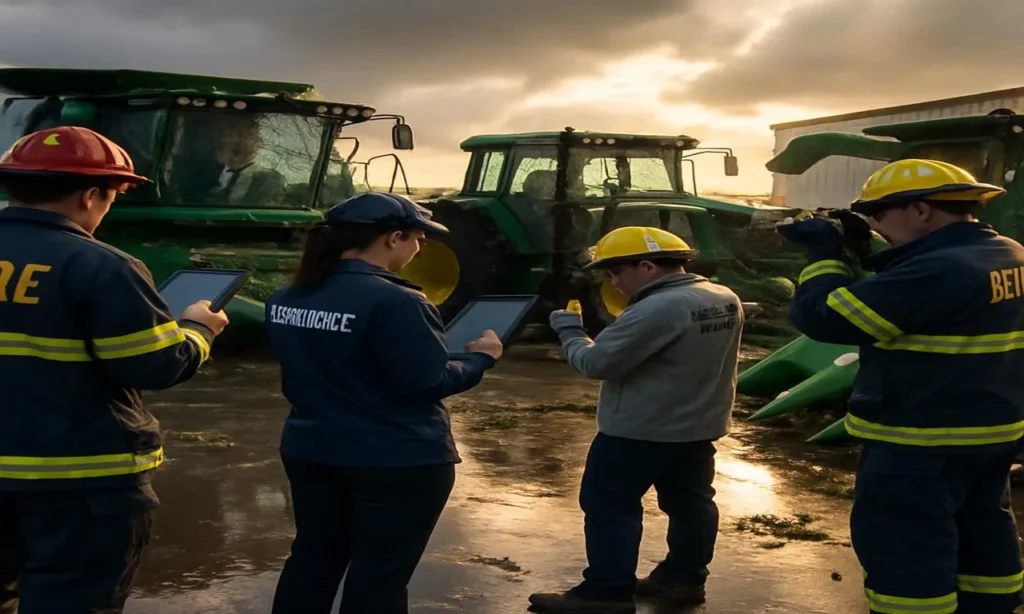
Agricultural insurance specialists understand farming operations, seasonal equipment usage, liability exposures, and rural transportation challenges better than general insurance agents. Farm vehicle insurance recommendations from experienced professionals help farmers compare policies, understand exclusions, and select valuable endorsements. Building relationships with knowledgeable advisors ensures policies evolve alongside changing equipment values and operational needs. Expert guidance improves financial protection while simplifying policy reviews, renewals, and future claims involving specialized agricultural vehicles.
Reviewing Farm Vehicle Insurance Policies Every Year For Accuracy
Annual policy reviews ensure farm vehicle insurance continues matching current farming operations, equipment values, and liability exposures. Purchasing new tractors, trailers, or utility vehicles without updating insurance may create dangerous coverage gaps. Regular reviews also identify available discounts, outdated endorsements, and opportunities for stronger protection. Working with insurance professionals each year ensures policies accurately reflect business growth while maintaining comprehensive financial security for valuable agricultural transportation assets.
Future Trends Influencing Farm Vehicle Insurance Across Agricultural Industries
Agricultural insurance continues evolving through artificial intelligence, satellite monitoring, predictive analytics, automated claims processing, and digital policy management. Farm vehicle insurance providers increasingly use technology to assess risks, improve underwriting accuracy, and reward proactive safety practices. Climate change, autonomous farm equipment, and connected vehicle systems will also influence future coverage options. Staying informed about industry developments helps farmers adapt insurance strategies while maintaining comprehensive protection for evolving agricultural transportation needs and valuable farming investments.
Choosing Higher Liability Limits For Better Financial Protection Always
Selecting adequate liability limits is one of the most important decisions when purchasing farm vehicle insurance. Serious accidents involving farm trucks or heavy agricultural equipment may result in expensive medical bills, property damage, and legal expenses. Low liability limits could leave farmers paying significant costs from personal assets. Higher coverage provides greater financial security and peace of mind while protecting farms from devastating lawsuits. Evaluating operational risks annually helps determine appropriate liability limits for long-term business stability.
Understanding Farm Vehicle Insurance Exclusions Before Filing Claims Successfully
Every insurance policy contains exclusions that determine what losses are not covered. Farm vehicle insurance may exclude intentional damage, unauthorized drivers, mechanical breakdowns, normal wear and tear, racing activities, or certain commercial operations unless specifically endorsed. Reading policy documents carefully prevents misunderstandings during claim settlements. Farmers should discuss exclusions with their insurance provider before purchasing coverage. Understanding policy limitations allows owners to purchase additional endorsements that eliminate important protection gaps before unexpected losses occur.
How Driver Experience Influences Farm Vehicle Insurance Premium Rates
Insurance companies evaluate driver experience when calculating farm vehicle insurance premiums. Operators with safe driving records, proper licensing, and years of agricultural equipment experience often qualify for lower insurance costs. Younger or inexperienced drivers generally present greater accident risks, increasing premium rates. Providing driver safety training and maintaining clean driving records improve long-term affordability. Encouraging responsible vehicle operation protects valuable machinery while reducing accidents, insurance claims, and future premium increases across farming operations.
Safe Driving Practices Reduce Farm Vehicle Insurance Claims Significantly Today
Practicing safe driving protects both farm workers and valuable agricultural equipment. Farm vehicle insurance claims decrease when operators obey traffic laws, inspect vehicles before use, avoid distracted driving, secure transported loads, and maintain appropriate speeds. Regular safety training reinforces responsible equipment operation and accident prevention. Safe driving habits also reduce repair costs, minimize downtime, improve productivity, and strengthen relationships with insurance providers. Consistent safety practices contribute to lower premiums and better long-term financial outcomes.
Importance Of Preventive Maintenance For Farm Vehicle Insurance Protection
Routine maintenance keeps agricultural vehicles operating safely while reducing breakdowns and insurance claims. Farm vehicle insurance providers encourage regular inspections of brakes, tires, lights, steering systems, hydraulic components, engines, and trailers. Well-maintained equipment experiences fewer accidents and demonstrates responsible ownership during claim investigations. Keeping detailed maintenance records further supports insurance claims if covered losses occur. Preventive maintenance protects valuable investments, extends equipment lifespan, and strengthens overall operational efficiency throughout every farming season.
When To Update Farm Vehicle Insurance After Equipment Purchases Immediately
Farmers frequently purchase new tractors, trailers, harvesters, or utility vehicles that increase property value. Farm vehicle insurance should be updated immediately after acquiring additional equipment to avoid uninsured losses. Delaying policy updates may leave expensive assets without protection if accidents occur before notification. Prompt communication with insurance providers ensures every vehicle receives appropriate coverage from the first day of ownership. Regular updates maintain complete protection while reflecting changing operational requirements accurately.
How Claims Adjusters Evaluate Farm Vehicle Insurance Losses Fairly
Claims adjusters inspect damaged vehicles, review maintenance records, analyze accident reports, and estimate repair or replacement costs before approving compensation. Farm vehicle insurance investigations focus on policy terms, driver information, photographs, witness statements, and available evidence. Honest communication and organized documentation help accelerate claim processing while reducing disputes. Farmers who preserve evidence immediately after accidents generally experience smoother settlements. Understanding the evaluation process improves cooperation and supports fair compensation following covered vehicle losses.
Benefits Of Replacement Cost Coverage For Farm Vehicles Today
Replacement cost coverage pays the amount required to replace damaged vehicles with comparable new equipment rather than deducting depreciation. Farm vehicle insurance offering replacement cost protection provides stronger financial security, especially for expensive tractors, harvesters, and specialized agricultural machinery. Although premiums may be slightly higher, replacement cost coverage minimizes unexpected out-of-pocket expenses after major losses. Farmers relying on essential equipment often benefit significantly from broader financial protection during costly replacement situations.
Actual Cash Value Versus Replacement Cost Coverage Differences Explained
Actual cash value coverage reimburses the depreciated value of damaged vehicles based on age, condition, and market value. Replacement cost coverage pays the amount necessary to purchase comparable new equipment without major depreciation deductions. Farm vehicle insurance policies may offer either option depending on insurer guidelines. Understanding these settlement methods helps farmers choose coverage matching their financial goals. Replacement cost generally provides greater protection, while actual cash value often results in lower insurance premiums.
Managing Multiple Farm Vehicles Under Single Insurance Policy Efficiently
Many agricultural businesses operate several trucks, tractors, trailers, and utility vehicles simultaneously. Farm vehicle insurance allows multiple vehicles to be insured under one policy, simplifying administration and often reducing overall premium costs. Fleet-style coverage improves record management, streamlines renewals, and provides consistent protection across farming operations. Keeping all vehicles under one comprehensive policy also strengthens communication with insurers while simplifying future claims involving multiple insured agricultural vehicles.
Finding Affordable Farm Vehicle Insurance Without Sacrificing Protection Quality
Affordable insurance should never compromise essential protection. Farm vehicle insurance becomes more cost-effective when farmers compare multiple quotes, maintain excellent driving records, improve security, increase deductibles responsibly, bundle policies, and review coverage annually. Selecting the cheapest policy without evaluating exclusions may create expensive financial risks later. Balancing affordability with comprehensive protection ensures valuable agricultural vehicles remain properly insured while maintaining manageable long-term insurance expenses for farming businesses.
Questions Every Farmer Should Ask Insurance Providers Before Purchasing
Before buying farm vehicle insurance, farmers should ask about coverage limits, exclusions, deductibles, endorsements, claims procedures, premium discounts, replacement cost options, and liability protection. Understanding policy details before signing prevents misunderstandings during future claims. Asking informed questions also helps compare insurers objectively while identifying policies offering stronger agricultural protection. Well-informed purchasing decisions reduce financial uncertainty and ensure insurance aligns with operational requirements, equipment values, and long-term farming objectives.
Protecting Future Farm Growth Through Comprehensive Insurance Planning Today
Growing agricultural businesses require insurance that evolves alongside expanding operations. Farm vehicle insurance should accommodate additional equipment, larger fleets, changing transportation needs, and increasing liability exposure. Planning ahead prevents coverage gaps while supporting business expansion with confidence. Farmers who regularly review insurance strategies remain financially prepared for future investments and unexpected risks. Comprehensive planning protects valuable assets while creating a stable foundation for continued agricultural success and long-term profitability.
Final Recommendations For Choosing Farm Vehicle Insurance Successfully Today
Selecting the right farm vehicle insurance requires careful comparison, accurate valuation, annual policy reviews, and guidance from experienced agricultural insurance professionals. Comprehensive coverage should protect vehicles, equipment, liability, and business continuity without leaving important assets exposed. Understanding policy exclusions, endorsements, deductibles, and claims procedures strengthens financial preparedness. Investing in appropriate insurance today reduces future financial uncertainty while allowing farmers to focus confidently on productive agricultural operations rather than unexpected vehicle-related losses.
Protect Your Agricultural Investment With Reliable Insurance Coverage Today
Farm vehicle insurance is more than a legal requirement because it protects the equipment that keeps farming operations productive every day. Choosing comprehensive coverage, maintaining vehicles properly, reviewing policies annually, and working with experienced agricultural insurance professionals create long-term financial security. Every tractor, truck, trailer, and utility vehicle represents an important investment deserving reliable protection. Taking time to select the right insurance policy today helps farmers safeguard their livelihoods, reduce operational risks, and confidently face future challenges while protecting valuable agricultural assets.
Frequently Asked Questions
Does farm vehicle insurance cover tractors?
Yes. Most policies cover tractors and other insured farm equipment.
Is farm vehicle insurance legally required?
Requirements vary by state and vehicle usage on public roads.
Can I insure multiple farm vehicles together?
Yes. Most insurers offer multi-vehicle or fleet farm policies.
Does farm vehicle insurance cover theft?
Yes. Comprehensive coverage usually protects against theft and vandalism.
Will personal auto insurance cover farm vehicles?
Usually not. Farm vehicles often require specialized insurance coverage.
How can I lower my farm vehicle insurance premium?
Maintain safe driving records, bundle policies, increase deductibles, and improve vehicle security.
Conclusion
Farm vehicle insurance is an essential investment for protecting tractors, trucks, trailers, utility vehicles, and other agricultural equipment that keep farming operations running efficiently. The right policy provides financial security against accidents, theft, weather damage, liability claims, and unexpected repairs while reducing costly business interruptions. Comparing insurers, reviewing coverage annually, understanding exclusions, and selecting appropriate endorsements help ensure complete protection for every farm vehicle. Working with an experienced agricultural insurance provider also improves claim support and long-term coverage quality. Investing in comprehensive farm vehicle insurance today safeguards your equipment, protects your livelihood, and provides confidence that your farming business can recover quickly from unexpected losses and continue growing successfully.