
Introduction
Drone insurance coverage protects drone owners, commercial operators, and businesses from financial losses caused by accidents, property damage, liability claims, theft, equipment damage, and other unexpected incidents. Whether you fly drones for aerial photography, inspections, agriculture, surveying, or recreational purposes, proper insurance provides valuable peace of mind. As drone technology continues expanding across industries, the risks associated with operating unmanned aircraft also increase. Understanding drone insurance coverage helps operators compare policy options, liability limits, equipment protection, exclusions, and premium costs. Choosing the right coverage safeguards expensive drone investments while ensuring compliance with legal requirements and protecting long-term financial security.
Understanding Drone Insurance Coverage Benefits For Operators Clearly
Drone insurance coverage provides financial protection against property damage, bodily injury, equipment loss, theft, and liability claims resulting from drone operations. Whether used for commercial work or recreational flying, drones represent significant financial investments that deserve proper insurance protection. Comprehensive policies help operators recover from unexpected accidents without facing overwhelming repair or legal expenses. Understanding available insurance benefits enables drone owners to compare providers carefully while selecting dependable protection that supports responsible drone ownership and long-term financial security.
Why Drone Insurance Coverage Matters For Business Owners Today
Businesses relying on unmanned aircraft benefit greatly from drone insurance coverage because unexpected accidents may interrupt operations and create costly liability claims. Drone crashes can damage property, injure people, or destroy valuable equipment, resulting in significant financial losses. Insurance protects business assets while maintaining operational continuity during unforeseen incidents. Understanding the importance of comprehensive drone coverage encourages responsible risk management and helps businesses operate confidently while protecting long-term financial stability and professional reputation.
How Drone Insurance Coverage Actually Works Today
Most drone insurance coverage policies begin protecting insured equipment after policy activation and premium payment. Coverage typically includes liability protection, physical damage, theft, accidental crashes, and optional equipment coverage depending on policy terms. When a covered incident occurs, policyholders submit claims supported by documentation and accident details. Understanding how drone insurance functions helps operators compare policies more effectively while selecting dependable financial protection that matches operational needs and business activities.
Comparing Commercial And Recreational Drone Insurance Policies Carefully
Drone owners should compare commercial and recreational drone insurance coverage carefully because policy features differ significantly. Commercial operators often require broader liability protection, equipment coverage, and higher policy limits due to business activities. Recreational policies generally focus on personal liability and physical drone damage. Understanding these differences allows drone owners to select insurance appropriate for their specific flying purposes while maintaining compliance with applicable regulations and reducing unnecessary financial risks.
Liability Protection Included Within Drone Insurance Coverage Policies
Liability protection remains one of the most valuable features of drone insurance coverage because it helps pay legal expenses, settlements, medical costs, and property damage resulting from covered drone accidents. Even experienced pilots may encounter unexpected incidents caused by weather, equipment failure, or operational errors. Liability insurance protects personal finances while reducing legal risks associated with drone operations. Understanding liability benefits helps operators choose appropriate policy limits and strengthen long-term financial security.
Physical Damage Protection For Expensive Drone Equipment Investments
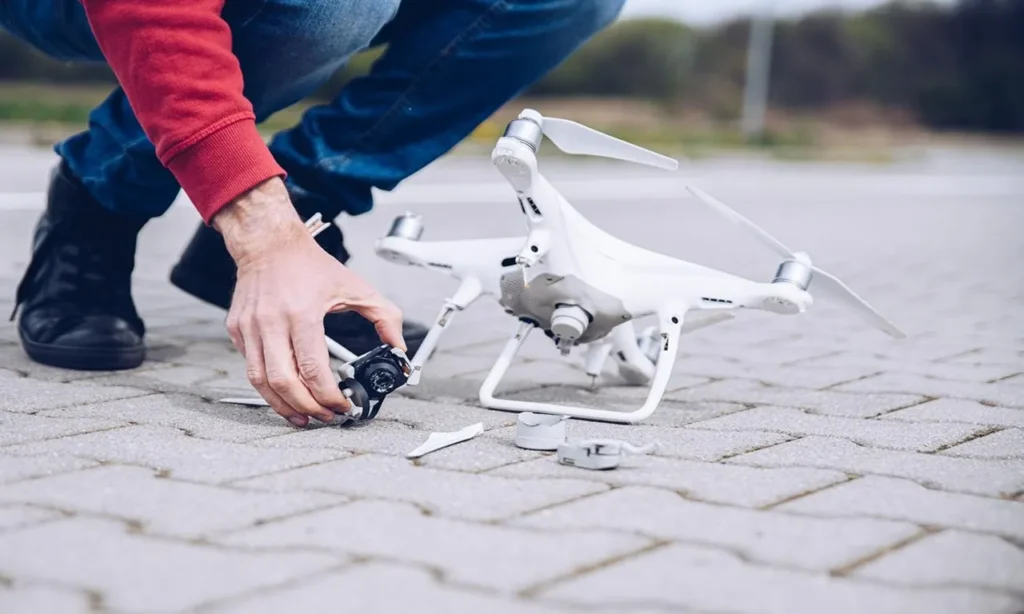
Modern drones often represent substantial investments, making drone insurance coverage essential for protecting valuable equipment. Physical damage coverage helps pay repair or replacement costs when drones are damaged by crashes, collisions, weather events, or accidental impacts. This protection minimizes financial losses while allowing operators to continue flying with minimal interruption. Understanding equipment protection benefits encourages responsible insurance planning and safeguards expensive drone technology against unexpected damage.
Theft Protection Offered Through Drone Insurance Policies Today
Theft remains an important concern for drone owners because professional drone equipment can be highly valuable. Many drone insurance coverage policies include protection against theft or attempted theft when policy requirements are satisfied. Insurance helps replace stolen drones, cameras, controllers, and related accessories according to policy limits. Understanding theft protection helps operators compare insurance providers while reducing financial risks associated with equipment loss during storage, transportation, or field operations.
Choosing Appropriate Liability Limits For Drone Operations Carefully
Selecting suitable liability limits remains essential when purchasing drone insurance coverage. Commercial operators working near people, buildings, or valuable infrastructure often require higher liability protection than recreational users. Coverage should reflect operational risks, contract requirements, and potential legal exposure. Understanding liability limit calculations helps drone pilots balance premium affordability with meaningful financial protection while reducing exposure to costly lawsuits resulting from unexpected drone accidents.
Factors Affecting Drone Insurance Premium Costs Significantly Today
Several important factors influence drone insurance coverage premiums, including drone value, pilot experience, intended use, flight frequency, operating location, liability limits, previous claims, and business activities. Commercial operators usually pay higher premiums because of increased operational risks. Understanding premium calculation factors helps drone owners compare insurers intelligently while selecting affordable policies that provide dependable long-term protection for valuable drone equipment and liability exposures.
Commercial Drone Industries Requiring Specialized Insurance Coverage Solutions
Many industries rely on drone insurance coverage to support safe and profitable operations. Construction companies, photographers, surveyors, agricultural businesses, utility inspectors, real estate agencies, filmmakers, and infrastructure engineers often require specialized insurance tailored to commercial drone activities. Industry-specific policies provide broader liability protection and equipment coverage. Understanding specialized insurance needs helps businesses select policies supporting operational success while reducing financial risks associated with professional drone services.
Understanding Federal Drone Regulations Affecting Insurance Requirements Today
Government regulations often influence drone insurance coverage, especially for commercial operators conducting business activities. Although insurance may not always be legally required, many clients, contracts, airports, and commercial projects require proof of coverage before allowing drone operations. Understanding regulatory expectations helps operators remain compliant while improving professional credibility. Responsible insurance planning supports safer drone operations and protects businesses from unnecessary financial and legal complications.
Medical Payments Protection Following Covered Drone Accidents Successfully
Some drone insurance coverage policies include medical payments protection that helps cover healthcare expenses if covered drone accidents cause injuries to other individuals. Medical payments benefits may reduce immediate financial burdens while supporting faster claim resolution without lengthy legal disputes. Understanding available medical coverage enables drone operators to compare policy options more effectively while strengthening overall liability protection and promoting responsible drone operations in populated environments.
Choosing Reliable Drone Insurance Companies With Confidence Today
Selecting financially strong insurers remains essential when purchasing drone insurance coverage. Consumers should evaluate insurer financial ratings, customer satisfaction, claims handling efficiency, industry experience, underwriting flexibility, and policy options before enrollment. Reliable insurance providers consistently deliver dependable claims support when accidents occur. Understanding insurer quality helps drone owners secure trustworthy financial protection while improving confidence in long-term insurance investments and operational reliability.
Policy Riders Enhancing Drone Insurance Coverage Protection Benefits
Many drone insurance coverage policies offer optional riders that expand protection according to operational requirements. Popular enhancements may include worldwide coverage, payload protection, camera equipment insurance, rental reimbursement, cyber liability, and additional insured endorsements. Selecting appropriate riders strengthens financial protection while customizing insurance for specialized drone operations. Understanding available policy enhancements helps operators maximize coverage value while protecting both equipment investments and business activities effectively.
Avoiding Common Drone Insurance Purchasing Mistakes Successfully Today
Many consumers buying drone insurance coverage focus only on premium prices while overlooking liability limits, equipment protection, exclusions, deductible amounts, insurer reputation, and optional riders. These oversights may reduce financial protection when accidents occur. Comparing complete policy features rather than monthly costs alone leads to stronger insurance decisions. Understanding common purchasing mistakes helps drone operators secure dependable coverage while protecting valuable equipment, business operations, and long-term financial security.
Understanding Third-Party Liability Coverage For Drone Operations Successfully
Third-party liability remains one of the most important features of drone insurance coverage because it protects operators from financial responsibility if a drone causes injury to another person or damages someone else’s property. Legal claims arising from drone accidents can become expensive without proper insurance protection. Liability coverage pays eligible legal expenses, settlements, and compensation according to policy limits. Understanding third-party liability helps drone operators compare policies effectively while protecting personal finances and maintaining professional credibility during commercial or recreational flights.
Comparing Annual And On-Demand Drone Insurance Policy Options
Many providers now offer both annual and on-demand drone insurance coverage to meet different operational needs. Annual policies provide continuous protection for frequent drone operators, while on-demand insurance activates only during scheduled flights, making it ideal for occasional commercial projects. Each option offers unique advantages depending on flying frequency and business requirements. Understanding these policy structures helps drone owners choose affordable insurance while maximizing flexibility and long-term financial protection for every flight.
Payload Protection For Professional Drone Equipment And Cameras
Professional drone operators often carry expensive cameras, sensors, thermal imaging systems, and specialized payloads that require additional drone insurance coverage. Payload protection helps pay repair or replacement costs when insured equipment is damaged during covered incidents. Since payloads frequently exceed the value of the drone itself, comprehensive insurance becomes increasingly important. Understanding payload protection helps businesses compare specialized policies while safeguarding valuable equipment used for photography, inspections, surveying, mapping, and industrial applications.
Weather Related Damage Covered Under Drone Insurance Policies
Unexpected weather conditions can significantly impact drone operations, making drone insurance coverage valuable for protecting expensive equipment. Strong winds, hailstorms, lightning, heavy rain, and other severe weather events may damage drones during approved operations or transportation. Many comprehensive policies provide coverage for qualifying weather-related losses according to policy terms. Understanding weather protection allows drone owners to compare insurers carefully while minimizing financial risks associated with unpredictable environmental conditions.
Understanding Drone Hull Insurance Protection For Equipment Damage
Drone hull insurance is an important component of drone insurance coverage because it protects the physical aircraft against accidental damage. Coverage generally includes collisions, crashes, hard landings, equipment failures, and other covered incidents that affect the drone itself. Hull insurance helps reduce repair or replacement expenses while allowing operators to resume work quickly. Understanding hull protection enables drone owners to select policies offering dependable financial support and stronger equipment security.
Business Interruption Protection After Serious Drone Accidents Occur
Commercial operators often depend entirely on drones for daily operations, making drone insurance coverage with business interruption protection especially valuable. When covered accidents prevent normal business activities, certain policies may help replace lost income while equipment is repaired or replaced. This financial support helps businesses maintain stability during operational interruptions. Understanding business interruption options allows entrepreneurs to strengthen risk management while protecting long-term profitability and client relationships.
Cyber Liability Protection For Connected Drone Technology Systems
Modern drones rely heavily on software, wireless communications, cloud storage, and digital navigation systems. Some advanced drone insurance coverage policies include cyber liability protection against hacking, unauthorized access, data breaches, and software-related operational failures. As drone technology continues evolving, cyber risks become increasingly important for commercial operators. Understanding cyber liability benefits helps businesses compare comprehensive insurance policies while protecting valuable digital assets and operational continuity.
International Drone Operations And Global Insurance Coverage Options
Drone operators conducting projects outside their home country should verify whether drone insurance coverage extends internationally. Some insurers provide worldwide protection, while others restrict coverage to specific geographic regions. International operations may involve additional legal requirements, liability risks, and regulatory obligations. Understanding global insurance availability helps commercial operators plan overseas projects confidently while ensuring continuous financial protection throughout international drone assignments.
Rental Drone Insurance Coverage For Temporary Equipment Usage
Many businesses temporarily rent drones for specialized projects instead of purchasing additional equipment. Certain drone insurance coverage policies protect rented drones against accidental damage, theft, and liability claims during authorized operations. Rental protection prevents unexpected repair or replacement costs while supporting flexible business operations. Understanding rental insurance options enables operators to compare policies carefully while reducing financial risks associated with temporary drone usage.
FAA Compliance Supporting Safe Drone Insurance Eligibility Standards
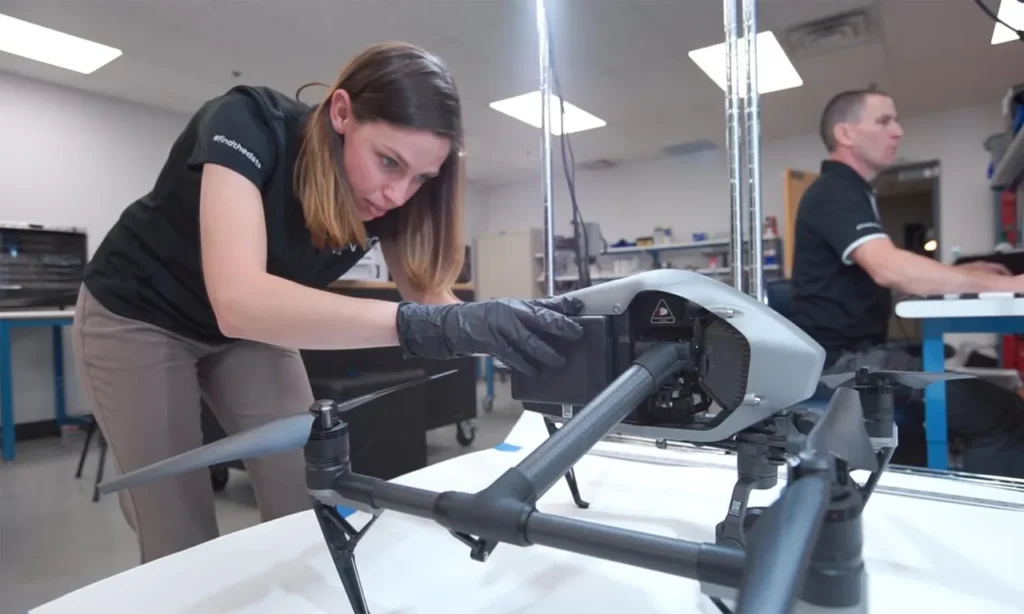
Maintaining regulatory compliance strengthens eligibility for comprehensive drone insurance coverage. Commercial operators should follow applicable aviation regulations, maintain required certifications, and operate drones responsibly during every flight. Insurance companies often evaluate safety records and regulatory compliance when assessing risk and premium pricing. Understanding the relationship between legal compliance and insurance encourages responsible drone operations while improving long-term coverage opportunities and reducing liability exposures.
Pilot Experience Affecting Drone Insurance Premium Calculations Significantly
Insurance companies evaluate pilot experience carefully when determining drone insurance coverage premiums. Operators with extensive flight hours, professional certifications, advanced training, and strong safety records often qualify for lower insurance rates than inexperienced pilots. Continued education and responsible flight practices demonstrate reduced operational risk. Understanding how experience influences pricing helps drone operators improve qualifications while maximizing affordable insurance opportunities and long-term financial protection.
Understanding Deductibles Before Purchasing Drone Insurance Policies Carefully
Every drone insurance coverage policy includes a deductible representing the amount policyholders pay before insurance benefits apply. Higher deductibles generally reduce premium costs, while lower deductibles increase monthly premiums but minimize out-of-pocket expenses following covered losses. Selecting an appropriate deductible depends on financial resources and operational risks. Understanding deductible options allows drone owners to compare policies effectively while balancing affordability with meaningful financial protection.
Preparing Accurate Documentation For Drone Insurance Claims Successfully
Proper documentation strengthens claims submitted under drone insurance coverage. Drone operators should maintain purchase receipts, maintenance records, flight logs, photographs, serial numbers, accident reports, repair estimates, and witness statements whenever possible. Organized documentation simplifies claims processing while reducing delays and supporting faster reimbursement decisions. Understanding documentation requirements helps policyholders protect their financial interests and maximize successful insurance claim outcomes following covered incidents.
Maintaining Drone Equipment To Reduce Insurance Claim Risks Effectively
Routine maintenance plays a significant role in maximizing the value of drone insurance coverage. Regular inspections, battery testing, firmware updates, propeller replacement, calibration, and equipment cleaning reduce the likelihood of preventable accidents. Well-maintained drones operate more safely while minimizing costly repairs and insurance claims. Understanding preventive maintenance responsibilities helps operators protect valuable equipment and maintain favorable insurance relationships throughout long-term drone ownership.
Choosing Specialized Drone Insurance For Commercial Photography Businesses
Photography and videography professionals depend heavily on drone insurance coverage because expensive equipment and client contracts create significant financial responsibilities. Specialized insurance protects drones, cameras, payloads, and liability exposures during commercial filming, weddings, real estate marketing, and media production. Understanding industry-specific insurance solutions helps photographers compare policies while safeguarding equipment investments and maintaining uninterrupted professional services.
Understanding Claims Process After Covered Drone Accident Incidents
Knowing how claims work improves the value of drone insurance coverage when unexpected accidents occur. Policyholders should report incidents promptly, document damages thoroughly, cooperate with insurance investigations, and provide requested supporting information quickly. Following proper claims procedures helps insurers evaluate losses efficiently while reducing unnecessary delays. Understanding the claims process enables drone operators to receive faster settlements and dependable financial assistance after qualifying accidents.
Future Innovations Transforming Drone Insurance Industry Solutions Rapidly
The future of drone insurance coverage continues evolving through artificial intelligence underwriting, autonomous flight monitoring, predictive risk assessment, real-time telematics, and advanced aviation analytics. Insurance companies increasingly use flight data to evaluate operational risks more accurately while offering personalized policy pricing. Understanding these emerging technologies helps drone operators prepare for improved insurance products while maximizing long-term financial protection and operational efficiency.
Building Business Security Through Comprehensive Drone Insurance Planning
Reliable drone insurance coverage strengthens business continuity by protecting valuable equipment, reducing liability exposure, preserving cash flow, and supporting uninterrupted client services. Insurance enables businesses to recover more quickly from accidents while minimizing unexpected financial losses. Understanding drone insurance as part of comprehensive risk management encourages responsible planning that supports long-term profitability, operational stability, and continued business growth across competitive commercial industries.
Avoiding Costly Drone Insurance Buying Mistakes Successfully Today
Many operators purchase drone insurance coverage based only on premium prices while ignoring liability limits, deductibles, exclusions, payload protection, international coverage, and insurer reputation. These oversights may leave expensive equipment or business activities underinsured. Comparing complete policy features instead of monthly premiums alone helps consumers make stronger insurance decisions. Understanding common purchasing mistakes strengthens long-term financial protection while maximizing overall policy value.
Choosing Drone Insurance Coverage With Complete Confidence Always
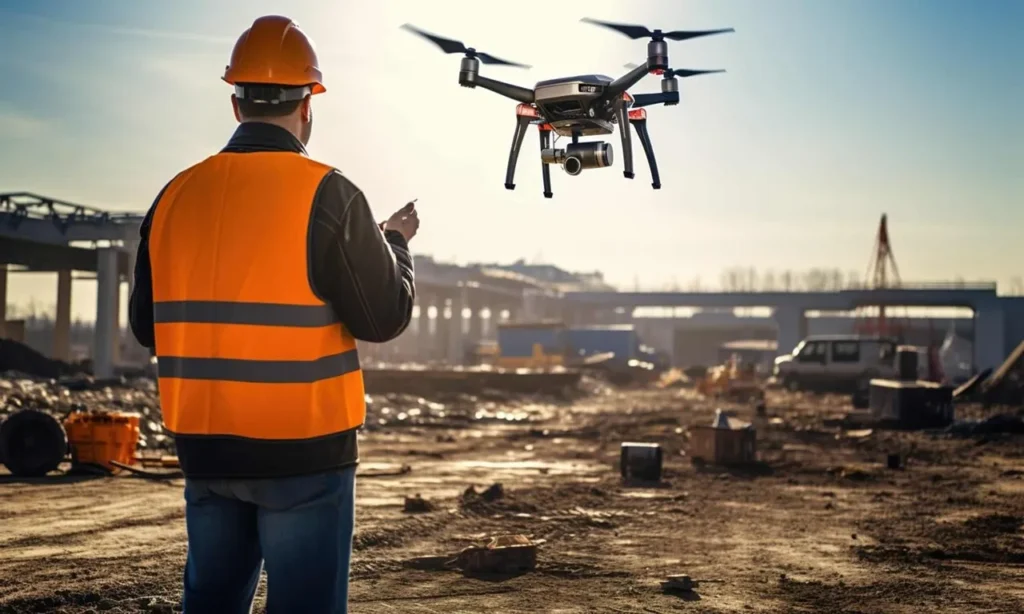
Selecting the right drone insurance coverage requires comparing liability limits, equipment protection, deductibles, policy exclusions, optional riders, insurer financial strength, and claims service carefully. Operators who research multiple providers generally obtain stronger financial protection while controlling long-term insurance costs. Thoughtful comparison shopping safeguards expensive drone investments, supports regulatory compliance, protects business operations, and provides lasting peace of mind throughout every commercial or recreational flight.
Understanding Drone Insurance Policy Exclusions Before Purchasing Carefully
Every drone insurance coverage policy contains exclusions that define situations where insurance benefits may not apply. Common exclusions may include intentional damage, illegal drone operations, unauthorized flights, normal equipment wear, or activities violating aviation regulations. Reading policy documents carefully before purchasing coverage helps drone operators understand coverage limitations and avoid future claim disputes. Understanding policy exclusions allows consumers to compare insurers more effectively while selecting dependable insurance that provides meaningful long-term financial protection and operational confidence.
Comparing Manufacturer Warranty And Drone Insurance Protection Benefits
Drone warranties and drone insurance coverage serve different purposes but work well together. Manufacturer warranties generally cover production defects and equipment failures, while insurance protects against accidental crashes, theft, liability claims, weather damage, and unexpected losses. Relying solely on warranties may leave operators financially exposed during accidents. Understanding the differences between warranties and insurance helps drone owners create comprehensive protection strategies while maximizing long-term equipment security and financial stability.
Managing Operational Risks Through Comprehensive Insurance Planning Successfully
Successful drone businesses rely on drone insurance coverage as part of a broader risk management strategy. Insurance helps protect valuable equipment, business income, client relationships, and financial assets from unexpected accidents or legal claims. Combining insurance with pilot training, equipment maintenance, operational planning, and regulatory compliance significantly reduces long-term business risks. Understanding comprehensive risk management helps drone operators strengthen financial security while supporting safe, profitable, and sustainable drone operations.
Benefits Of Purchasing Drone Insurance Before Commercial Operations Begin
Purchasing drone insurance coverage before accepting commercial projects demonstrates professionalism while protecting businesses from financial exposure. Many commercial clients require proof of insurance before awarding contracts involving aerial photography, inspections, surveying, or infrastructure projects. Early insurance planning also prevents costly coverage gaps during important assignments. Understanding the benefits of obtaining insurance before beginning commercial operations helps drone businesses build stronger client confidence and long-term professional credibility.
Reviewing Drone Insurance Policies Before Business Expansion Decisions Carefully
Growing drone businesses should review drone insurance coverage regularly as equipment values, project sizes, and operational risks increase. Expanding into new industries, purchasing advanced drones, hiring additional pilots, or working in complex environments may require higher liability limits or broader equipment protection. Regular policy reviews ensure insurance remains aligned with changing business needs. Understanding the importance of policy updates supports continuous financial protection and long-term operational success.
Technology Improving Drone Insurance Claims And Customer Services Today
Technology continues enhancing drone insurance coverage through artificial intelligence claims processing, mobile applications, electronic policy management, secure customer portals, digital documentation, and automated underwriting. These innovations simplify policy administration while reducing claim processing times and improving customer experiences. Drone operators benefit from faster communication, convenient account access, and more efficient insurance services. Understanding technological advancements helps consumers maximize policy value while enjoying dependable long-term insurance support.
Future Innovations Expanding Drone Insurance Coverage Protection Opportunities
The future of drone insurance coverage continues advancing through autonomous flight monitoring, artificial intelligence risk analysis, predictive maintenance systems, real-time operational tracking, and personalized insurance pricing. Insurance providers increasingly use flight data to improve underwriting accuracy while rewarding responsible drone operators with competitive premiums. Understanding future insurance innovations helps businesses prepare for evolving industry standards while maximizing financial protection and operational efficiency in rapidly growing drone markets.
Building Long-Term Business Success Through Drone Insurance Planning
Reliable drone insurance coverage supports long-term business growth by protecting equipment investments, reducing liability risks, preserving financial resources, and strengthening customer confidence. Insurance enables operators to recover quickly from unexpected incidents without disrupting ongoing projects or damaging business reputation. Understanding drone insurance as a core business planning tool encourages responsible investment while supporting sustainable operations, increased profitability, and long-term success across competitive commercial industries.
Avoiding Common Drone Insurance Buying Mistakes Successfully Today
Many buyers comparing drone insurance coverage focus only on premium costs while overlooking liability limits, deductible amounts, policy exclusions, payload protection, international coverage, and insurer financial strength. These mistakes may leave expensive equipment or business operations underinsured when accidents occur. Comparing complete policy features rather than monthly premiums alone leads to stronger purchasing decisions. Understanding common insurance mistakes helps drone operators maximize financial protection while reducing long-term operational risks and unexpected expenses.
Choosing Drone Insurance Coverage With Complete Confidence Always
Selecting the best drone insurance coverage requires comparing liability protection, equipment coverage, deductibles, policy exclusions, optional riders, insurer reputation, financial stability, and customer service carefully. Operators who evaluate multiple insurance providers generally obtain stronger protection while controlling long-term insurance costs. Smart comparison shopping safeguards valuable drone equipment, protects businesses from costly liability claims, supports regulatory compliance, and provides lasting confidence throughout every commercial or recreational drone operation.
FAQs
What is drone insurance coverage?
Drone insurance coverage protects drone owners against liability claims, equipment damage, theft, and other covered financial losses.
Who needs drone insurance?
Commercial operators, photographers, surveyors, inspectors, businesses, and recreational drone owners can all benefit from drone insurance.
Does drone insurance cover accidental crashes?
Yes. Many comprehensive policies cover accidental crashes, subject to policy terms, deductibles, and exclusions.
Is drone liability insurance important?
Yes. Liability insurance protects against legal claims involving property damage or bodily injury caused by drone operations.
Can drone insurance cover camera equipment?
Yes. Many insurers offer optional payload protection for cameras, sensors, and specialized drone equipment.
Do commercial drone operators need insurance?
While not always legally required, many clients and commercial contracts require proof of drone insurance coverage.
How can I lower my drone insurance premiums?
Maintaining flight experience, following safety regulations, reducing claims, and comparing multiple insurers may help lower premium costs.
Conclusion
Drone insurance coverage provides essential financial protection for commercial businesses, recreational pilots, photographers, surveyors, and other drone operators by safeguarding valuable equipment and reducing liability risks. Comparing policy features, liability limits, equipment protection, deductibles, optional riders, and insurer reputation helps consumers choose insurance that matches their operational needs and financial goals. Comprehensive coverage minimizes unexpected financial losses while supporting regulatory compliance and business continuity. Careful planning, responsible drone operations, and regular policy reviews ensure operators maximize insurance value, protect long-term investments, and fly confidently with dependable financial security throughout every mission.