
Introduction
Special event liability insurance protects event organizers, businesses, nonprofits, and individuals from financial losses caused by accidents, injuries, or property damage during planned events. Whether you are organizing a wedding, corporate conference, festival, fundraiser, trade show, or private celebration, unexpected incidents can lead to expensive legal claims and financial liabilities. Choosing the right special event liability insurance helps safeguard your investment while providing peace of mind throughout the event. Understanding policy coverage, exclusions, coverage limits, premiums, venue requirements, and optional endorsements enables event planners to compare providers confidently and secure comprehensive protection for successful and worry-free special events.
Understanding Special Event Liability Insurance Coverage Benefits Clearly
Special event liability insurance provides financial protection against claims involving bodily injury, property damage, and legal liability that may occur during organized events. Coverage helps pay attorney fees, medical expenses, settlement costs, and repair expenses if the event organizer becomes legally responsible. Whether hosting weddings, concerts, fundraisers, festivals, or business conferences, this insurance minimizes unexpected financial risks. Understanding policy benefits helps organizers compare providers carefully while selecting comprehensive protection that safeguards both personal assets and successful event planning.
Why Special Event Liability Insurance Matters For Event Organizers
Planning successful events involves numerous responsibilities, making special event liability insurance an essential financial safeguard. Unexpected accidents involving guests, vendors, or venue property may create expensive legal claims that threaten personal finances or business assets. Liability insurance provides valuable financial protection while allowing organizers to focus on delivering memorable experiences instead of worrying about potential lawsuits. Understanding its importance encourages responsible event planning while ensuring long-term financial security throughout every stage of event management.
How Special Event Liability Insurance Actually Works Today
Most special event liability insurance policies become effective on the scheduled event date and remain active throughout the insured event period. If covered incidents occur during the event, the insurance company investigates claims, provides legal defense when necessary, and pays eligible damages up to policy limits. Coverage terms vary depending on event type, attendance size, location, and selected limits. Understanding how these policies function helps organizers compare insurance options while selecting reliable protection that meets event-specific requirements.
Events Commonly Covered Under Liability Insurance Policies Today
Many types of gatherings qualify for special event liability insurance, including weddings, birthday celebrations, concerts, festivals, trade shows, business conferences, charity fundraisers, sporting events, community fairs, and corporate functions. Each event presents unique liability risks requiring appropriate insurance protection. Coverage may also extend to vendor activities and venue-related liabilities depending on policy terms. Understanding eligible event categories helps organizers choose insurance that aligns with specific event needs while reducing financial exposure from unexpected incidents.
Comparing Coverage Limits Before Purchasing Event Insurance Carefully
Selecting appropriate coverage limits remains one of the most important decisions when purchasing special event liability insurance. Coverage should reflect potential legal expenses, venue requirements, guest attendance, vendor participation, and overall event risk. Higher limits provide greater financial protection but generally increase premium costs. Carefully comparing available coverage options helps organizers balance affordability with comprehensive liability protection while ensuring adequate financial resources remain available if covered claims arise during the event.
Understanding Bodily Injury Protection During Special Events Successfully
Bodily injury coverage forms a primary component of special event liability insurance by protecting organizers against claims involving guest injuries during insured events. Coverage may include medical expenses, legal defense costs, settlements, and court judgments resulting from accidental injuries occurring on event premises. This protection helps minimize financial losses while preserving relationships with guests and venues. Understanding bodily injury coverage enables organizers to secure dependable liability protection before hosting public or private gatherings.
Property Damage Coverage Protecting Event Organizers Financially Today
Property damage protection within special event liability insurance helps cover accidental damage caused to rented venues, event facilities, or third-party property during insured events. Claims may involve damaged equipment, decorations, furniture, flooring, or structural elements depending on policy terms. Financial protection reduces unexpected repair expenses while preserving business relationships with property owners. Understanding property damage coverage allows organizers to compare policies carefully while protecting event investments and financial stability.
Venue Requirements For Special Event Insurance Coverage Approval
Many venues require organizers to purchase special event liability insurance before approving reservations or rental agreements. Property owners often request proof of insurance with specific liability limits and additional insured endorsements to reduce their own legal exposure. Meeting venue insurance requirements protects both parties while simplifying contract negotiations. Understanding these obligations helps event planners secure coverage early and avoid unnecessary scheduling delays before important occasions.
Factors Affecting Special Event Insurance Premium Costs Significantly
Several important factors influence premiums for special event liability insurance, including event type, attendance size, location, duration, alcohol service, entertainment activities, coverage limits, and previous claims history. Lower-risk events generally qualify for more affordable premiums than high-risk gatherings involving larger crowds or hazardous activities. Understanding premium calculation factors helps organizers compare providers intelligently while securing comprehensive coverage at competitive prices without sacrificing important liability protection.
Alcohol Liability Coverage For Events Serving Alcoholic Beverages
Events serving alcoholic beverages often require additional protection through special event liability insurance because alcohol-related incidents can increase legal exposure significantly. Liquor liability endorsements may cover claims involving intoxicated guests who cause injuries or property damage after consuming alcohol at insured events. Some venues require this coverage before permitting alcohol service. Understanding alcohol liability protection helps organizers manage event risks responsibly while meeting venue and legal requirements successfully.
Comparing Single Event And Annual Liability Insurance Policies
Consumers purchasing special event liability insurance should compare single-event policies with annual event coverage. Single-event insurance protects one specific occasion, making it ideal for weddings or private celebrations. Annual policies benefit businesses, nonprofits, and professional event planners hosting multiple events throughout the year. Understanding these policy differences helps organizers select cost-effective coverage while ensuring continuous financial protection for recurring event activities and long-term planning.
Additional Insured Endorsements For Venue Protection Requirements Today
Many venues request additional insured endorsements when issuing special event liability insurance policies. This endorsement extends certain liability protections to venue owners, landlords, municipalities, or sponsoring organizations during the insured event. Providing additional insured status often satisfies contractual requirements while strengthening relationships between organizers and venue management. Understanding endorsement requirements helps event planners avoid administrative delays while ensuring insurance documentation meets contractual obligations.

Choosing Reliable Event Liability Insurance Companies With Confidence
Selecting reputable insurers remains essential when purchasing special event liability insurance. Consumers should compare financial strength ratings, claims handling experience, customer satisfaction, policy flexibility, coverage options, and industry reputation before selecting an insurance provider. Financially stable companies consistently provide dependable claims support when unexpected incidents occur. Understanding insurer quality helps organizers secure trustworthy protection while improving confidence in long-term event liability planning.
Policy Exclusions Within Special Event Liability Insurance Coverage Explained
Every special event liability insurance policy contains exclusions identifying situations not covered by standard liability protection. Common exclusions may involve intentional misconduct, criminal activities, contractual liabilities, professional services, or specific hazardous activities unless additional endorsements are purchased. Reviewing exclusions before purchasing insurance prevents misunderstandings during future claims. Understanding policy limitations allows organizers to compare providers effectively while selecting comprehensive protection tailored to their specific event risks.
Avoiding Common Event Liability Insurance Buying Mistakes Successfully Today
Many organizers purchasing special event liability insurance focus only on premium costs while overlooking coverage limits, exclusions, alcohol liability, venue requirements, insurer reputation, and additional insured endorsements. These oversights may create expensive coverage gaps when claims arise. Comparing complete policy features instead of monthly premiums alone leads to stronger insurance decisions. Understanding common purchasing mistakes helps event organizers maximize liability protection while ensuring successful, financially secure, and professionally managed special events.
Understanding Legal Defense Coverage During Liability Claims Successfully
Legal defense coverage is one of the most valuable benefits included in special event liability insurance because lawsuits can become extremely expensive even when organizers are not at fault. Most policies help cover attorney fees, court costs, settlements, and legal investigations arising from covered liability claims. This protection reduces financial pressure while allowing organizers to focus on resolving disputes professionally. Understanding legal defense benefits helps consumers compare policies carefully while securing dependable financial protection throughout every stage of event management.
Medical Payment Coverage For Guest Injuries During Events
Many special event liability insurance policies include medical payment coverage that helps pay immediate medical expenses for guests injured during an insured event, regardless of legal fault. Prompt medical payments may reduce the likelihood of costly lawsuits while demonstrating responsible event management. Covered expenses may include emergency treatment, ambulance services, and initial medical care. Understanding medical payment benefits helps organizers select comprehensive insurance that protects both guests and financial interests during unexpected accidents.
Vendor Liability Protection During Organized Public Event Activities
Vendors participating in insured events often create additional liability risks, making special event liability insurance extremely important for organizers. Policies may help protect against claims resulting from vendor activities when coverage requirements are satisfied. However, many organizers also require vendors to maintain their own liability insurance. Understanding vendor-related liability encourages better event planning while reducing financial exposure arising from food service, entertainment, merchandise sales, or equipment operations during organized gatherings.
Outdoor Event Liability Risks Requiring Comprehensive Insurance Protection
Outdoor gatherings present unique challenges that increase the importance of special event liability insurance. Weather conditions, uneven walking surfaces, temporary structures, electrical equipment, and large crowds may create additional liability risks. Insurance provides financial protection if guests suffer injuries or property damage during the event. Understanding outdoor event exposures helps organizers compare policies carefully while selecting comprehensive coverage that addresses environmental hazards and unpredictable event conditions effectively.
Wedding Liability Insurance Protecting Special Celebrations Successfully Today
Wedding organizers frequently purchase special event liability insurance to protect against accidents involving guests, vendors, rented venues, and property damage during ceremonies and receptions. Many wedding venues require proof of liability coverage before confirming reservations. Insurance also helps protect couples from unexpected legal expenses resulting from covered incidents. Understanding wedding liability protection allows families to celebrate confidently while minimizing financial risks associated with one of life’s most memorable occasions.
Corporate Event Insurance Supporting Business Risk Management Successfully
Businesses organizing conferences, seminars, product launches, trade shows, or networking events benefit significantly from special event liability insurance. Corporate events often involve large audiences, third-party vendors, expensive venues, and valuable equipment that increase liability exposure. Comprehensive insurance helps protect businesses against financial losses arising from covered accidents or legal claims. Understanding corporate event risks enables organizations to secure dependable protection while maintaining professional credibility and operational stability.
Festival And Community Event Liability Protection Explained Clearly
Festivals, fairs, parades, and community celebrations often attract large crowds, making special event liability insurance an essential safeguard for organizers. Increased attendance raises the likelihood of accidents, injuries, or property damage requiring financial protection. Insurance helps cover legal expenses, medical costs, and settlement payments resulting from covered incidents. Understanding community event liability helps organizers manage public safety responsibly while protecting financial resources and ensuring successful large-scale gatherings.
Charity Fundraiser Liability Insurance For Nonprofit Organizations Successfully
Nonprofit organizations frequently organize fundraising dinners, auctions, walks, and community events that require special event liability insurance. Liability coverage protects charities against claims involving bodily injury, property damage, or legal disputes occurring during fundraising activities. Financial protection allows nonprofit organizations to focus on their charitable missions instead of unexpected legal expenses. Understanding insurance requirements helps nonprofit leaders secure affordable coverage while maintaining responsible event planning and community trust.
Trade Show Liability Insurance For Business Exhibitions Explained
Trade shows involve exhibitors, vendors, customers, equipment, and rented venues that create potential liability exposures requiring special event liability insurance. Policies help protect organizers against claims involving accidents, injuries, or property damage during exhibitions. Many convention centers require proof of liability coverage before allowing event operations. Understanding trade show insurance requirements helps organizers compare policies effectively while protecting both financial investments and professional business relationships.
Understanding Claims Process After Covered Event Liability Incidents
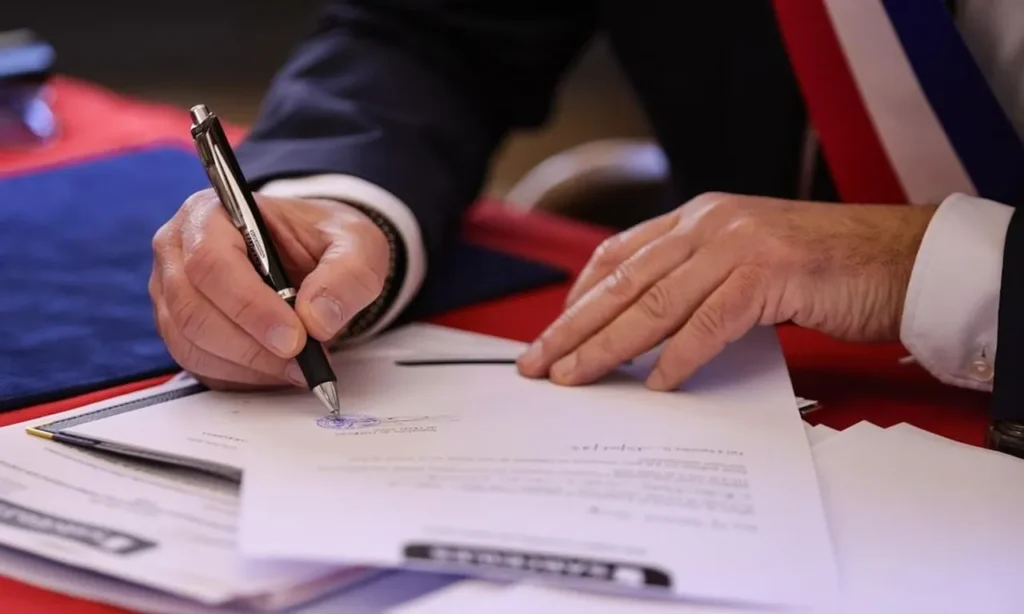
When accidents occur during insured events, special event liability insurance policies require prompt claim reporting to initiate investigations and determine coverage eligibility. Insurance companies review evidence, interview witnesses, evaluate damages, and negotiate settlements when appropriate. Timely reporting improves claim efficiency while reducing unnecessary complications. Understanding the claims process helps organizers respond professionally after unexpected incidents while maximizing available insurance benefits and protecting long-term financial interests.
Temporary Equipment Liability Risks During Special Event Operations
Many events rely on rented stages, lighting systems, sound equipment, tents, seating, and decorative displays that increase liability exposure. Special event liability insurance helps protect organizers when temporary equipment contributes to covered injuries or property damage. Reviewing equipment-related risks before the event strengthens safety planning while reducing financial uncertainty. Understanding equipment liability allows organizers to compare policy features carefully and ensure adequate protection throughout event setup, operation, and dismantling activities.
Comparing Deductibles Before Purchasing Event Liability Insurance Policies
Deductibles influence the total value of special event liability insurance by determining how much organizers pay before insurance benefits apply. Higher deductibles generally reduce premium costs, while lower deductibles provide greater immediate financial protection after covered claims. Comparing deductible options alongside policy limits and exclusions helps consumers balance affordability with financial security. Understanding deductible structures allows event planners to make informed insurance decisions while protecting budgets from unexpected liability expenses.
Risk Management Strategies Supporting Successful Special Event Planning
Effective risk management complements special event liability insurance by reducing the likelihood of accidents before they occur. Organizers should inspect venues, monitor crowd safety, verify vendor compliance, establish emergency procedures, and train event staff appropriately. Preventive planning minimizes liability exposure while improving guest experiences and event success. Understanding practical risk management strategies helps organizers strengthen insurance protection and create safer environments for attendees, vendors, volunteers, and employees.
Reviewing Insurance Policies Before Every Scheduled Special Event Carefully
Event organizers should review special event liability insurance before every scheduled gathering because venue requirements, attendance, activities, and vendor participation often change. Updating coverage ensures liability limits remain appropriate for current event risks and contractual obligations. Regular policy reviews prevent coverage gaps while improving financial preparedness. Understanding the importance of policy updates helps organizers maintain dependable insurance protection throughout changing event schedules and expanding operational responsibilities.
Technology Improving Modern Event Insurance Customer Experiences Today
Technology continues transforming special event liability insurance through online applications, instant certificates of insurance, digital policy management, electronic signatures, automated underwriting, and secure customer portals. Organizers can compare policies, purchase coverage, and provide venue documentation quickly from virtually anywhere. These technological advancements improve convenience while reducing administrative delays. Understanding digital insurance tools helps consumers secure reliable liability protection more efficiently and confidently.
Future Trends Transforming Special Event Insurance Industry Solutions Rapidly
The future of special event liability insurance continues advancing through artificial intelligence underwriting, predictive analytics, digital risk assessments, automated claims processing, and personalized event coverage solutions. Insurance providers increasingly develop flexible policies that address evolving event risks and customer expectations. Understanding future insurance innovations helps organizers prepare for changing industry standards while maximizing long-term liability protection and financial security for upcoming events.
Choosing Financially Strong Event Insurance Companies With Confidence
Financial stability should remain a priority when selecting providers offering special event liability insurance. Consumers should evaluate insurer ratings, claims payment history, customer reviews, policy flexibility, and industry experience before purchasing coverage. Strong insurance companies consistently honor policy obligations while delivering dependable customer support during liability claims. Understanding insurer financial strength helps organizers secure reliable protection and maintain confidence throughout every stage of event planning.
Avoiding Common Event Insurance Coverage Gaps Successfully Today
Many organizers purchasing special event liability insurance unintentionally create coverage gaps by overlooking alcohol endorsements, vendor certificates, policy exclusions, additional insured requirements, or adequate liability limits. These omissions may increase financial exposure if claims arise. Comparing complete policy features instead of focusing only on premiums strengthens overall protection. Understanding common coverage gaps helps event planners make informed insurance decisions while safeguarding successful events from unexpected legal and financial challenges.
Preparing Essential Documents Before Insurance Policy Applications Carefully
Applying for special event liability insurance becomes easier when organizers prepare venue contracts, attendance estimates, vendor agreements, event schedules, activity descriptions, and previous insurance information before requesting quotes. Organized documentation improves underwriting accuracy while reducing approval delays. Complete records also help insurers recommend appropriate liability limits and endorsements. Understanding documentation requirements enables consumers to secure comprehensive event insurance efficiently while avoiding unnecessary administrative complications.
Building Long-Term Financial Security Through Event Liability Protection
Reliable special event liability insurance protects organizers, businesses, nonprofits, and families from unexpected legal expenses that could threaten long-term financial stability. Comprehensive coverage supports responsible event planning while preserving personal assets, business finances, and organizational reputations. Understanding liability insurance as an essential financial planning tool encourages proactive risk management and informed insurance decisions. Strong protection today helps ensure future events remain successful, financially secure, and professionally managed regardless of unforeseen circumstances.
Understanding Policy Exclusions Before Purchasing Event Coverage Carefully
Every special event liability insurance policy contains exclusions that define situations not covered under standard liability protection. Common exclusions may include intentional misconduct, criminal activities, professional negligence, contractual disputes, pollution claims, or hazardous activities unless additional endorsements are purchased. Reading policy documents carefully before purchasing coverage helps organizers avoid unexpected claim denials and financial surprises. Understanding policy exclusions enables consumers to compare insurers more effectively while selecting comprehensive liability protection tailored to the specific risks associated with their planned events.
Comparing Venue Requirements With Insurance Policy Coverage Carefully
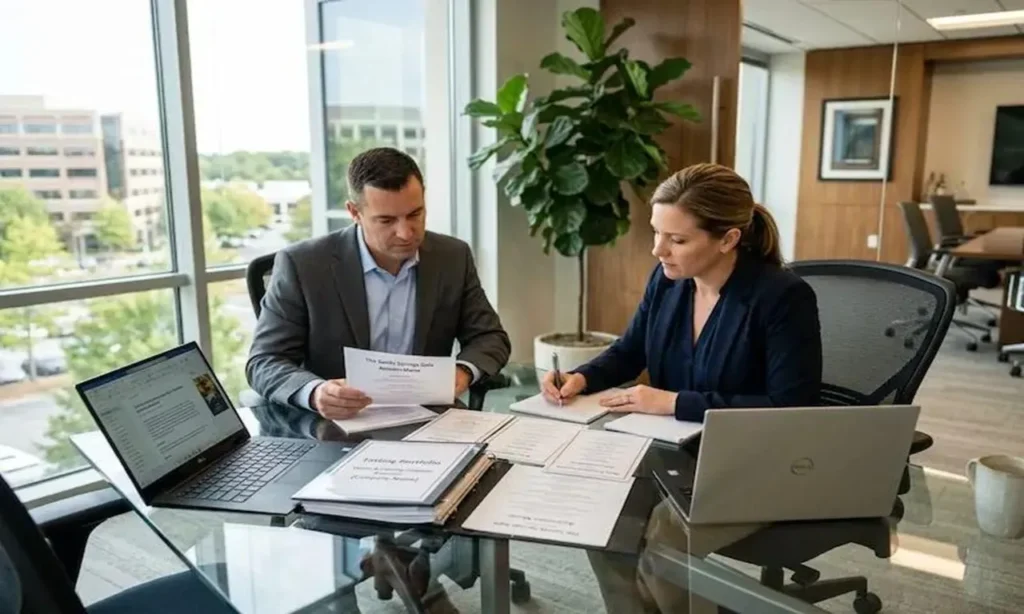
Every venue has unique insurance requirements, making it essential to compare them with your special event liability insurance policy before signing rental agreements. Some venues require higher liability limits, additional insured endorsements, liquor liability coverage, or specific certificate wording before approving reservations. Reviewing these requirements early prevents last-minute complications while ensuring contractual compliance. Understanding venue insurance expectations helps organizers secure appropriate coverage that satisfies property owners while protecting financial interests throughout successful event planning.
Managing Event Risks Through Comprehensive Insurance Planning Successfully
Successful event planning requires combining preventive safety measures with special event liability insurance to reduce financial exposure. Organizers should inspect venues, coordinate vendor compliance, establish emergency procedures, monitor crowd management, and verify equipment safety before guests arrive. These proactive measures lower accident risks while strengthening insurance protection. Understanding comprehensive risk management strategies helps organizers create safer events, minimize legal liability, preserve financial resources, and improve the overall experience for attendees and participating vendors.
Benefits Of Purchasing Event Insurance Before Planning Begins
Purchasing special event liability insurance early in the planning process provides valuable financial security while simplifying venue reservations and vendor agreements. Early coverage allows organizers to address insurance requirements before contracts are finalized, reducing administrative delays and unexpected complications. It also provides additional time to compare policy features, coverage limits, endorsements, and premiums. Understanding the advantages of early insurance planning helps consumers secure stronger liability protection while organizing successful and stress-free special events.
Reviewing Insurance Policies Before Major Event Schedule Changes Carefully
Significant changes involving attendance, venues, entertainment, vendors, or event duration may require updates to special event liability insurance before the event takes place. Failing to notify the insurance company about important changes could affect policy coverage or claims eligibility. Reviewing insurance regularly ensures liability protection continues matching current event plans and contractual obligations. Understanding the importance of policy updates helps organizers avoid unnecessary coverage gaps while maintaining comprehensive financial protection throughout changing event preparations.
Technology Advancing Event Insurance Services And Customer Support
Technology continues improving special event liability insurance through instant online quotes, digital certificates of insurance, electronic policy management, automated underwriting, secure customer portals, and mobile claims reporting. These advancements simplify purchasing while allowing organizers to manage coverage quickly from virtually any location. Faster communication and improved accessibility strengthen customer experiences throughout the insurance process. Understanding modern insurance technology helps event planners secure dependable liability protection with greater convenience, speed, and overall confidence.
Future Innovations Strengthening Event Liability Insurance Coverage Solutions
The future of special event liability insurance continues evolving through artificial intelligence, predictive risk analysis, automated claims processing, digital venue verification, and personalized liability protection. Insurance providers increasingly develop flexible products designed for modern event planning and changing liability exposures. These innovations improve underwriting accuracy while expanding affordable coverage opportunities. Understanding future insurance developments helps organizers prepare for emerging industry trends while maximizing financial security and comprehensive liability protection for upcoming special events.
Building Long-Term Financial Security Through Event Insurance Planning
Reliable special event liability insurance supports long-term financial security by protecting organizers against unexpected lawsuits, property damage claims, medical expenses, and legal defense costs. Comprehensive liability coverage preserves personal assets, business finances, nonprofit resources, and professional reputations after covered incidents. Understanding event insurance as part of broader financial planning encourages responsible risk management while helping organizers confidently host successful gatherings without exposing themselves to unnecessary financial losses or legal complications.
Avoiding Common Event Liability Insurance Buying Mistakes Successfully
Many consumers purchasing special event liability insurance compare only premium prices while overlooking policy exclusions, liability limits, alcohol coverage, additional insured endorsements, venue requirements, and insurer reputation. These oversights may create significant financial exposure if accidents occur during the event. Comparing complete policy features instead of focusing solely on cost helps organizers make informed insurance decisions. Understanding common buying mistakes strengthens liability protection while ensuring safer, financially secure, and professionally organized special events.
Choosing Special Event Liability Insurance With Complete Confidence Always
Selecting the right special event liability insurance requires carefully comparing coverage limits, policy exclusions, premium costs, venue requirements, alcohol liability options, insurer reputation, financial strength, and available endorsements. Organizers who evaluate multiple providers generally secure stronger liability protection while controlling insurance expenses. Careful comparison shopping supports successful event planning, protects valuable financial assets, reduces legal risks, and provides lasting peace of mind throughout every stage of organizing weddings, festivals, business events, and community celebrations.
FAQs
What is special event liability insurance?
Special event liability insurance protects organizers against claims involving bodily injury, property damage, and legal liability during insured events.
Who needs special event liability insurance?
Wedding planners, businesses, nonprofits, event organizers, schools, and individuals hosting public or private events should consider this coverage.
Does event liability insurance cover guest injuries?
Yes. Most policies cover bodily injury claims resulting from covered accidents during the insured event.
Is alcohol liability included automatically?
Not always. Many policies require a separate liquor liability endorsement when alcohol is served.
Why do venues require liability insurance?
Venues require insurance to reduce financial risk and ensure liability claims are covered if accidents occur during events.
Can I buy insurance for a single event?
Yes. Many insurers offer single-event policies specifically designed for one-time occasions.
Why should I compare multiple insurance providers?
Comparing providers helps you find better coverage limits, competitive premiums, stronger policy benefits, and reliable claims service.
Conclusion
Special event liability insurance provides essential financial protection for weddings, corporate functions, festivals, fundraisers, trade shows, and other organized events where unexpected accidents may occur. By comparing coverage limits, venue requirements, policy exclusions, endorsements, insurer reputation, and premium costs, organizers can select protection that matches their specific event needs. Comprehensive liability coverage safeguards personal assets, business finances, and professional reputations while reducing legal and financial risks. Careful planning, proactive risk management, and choosing the right insurance policy help ensure every event remains successful, financially secure, and enjoyable for organizers, vendors, venues, and guests alike.